
How to Live Your Life as Art
And re-enchant your world...

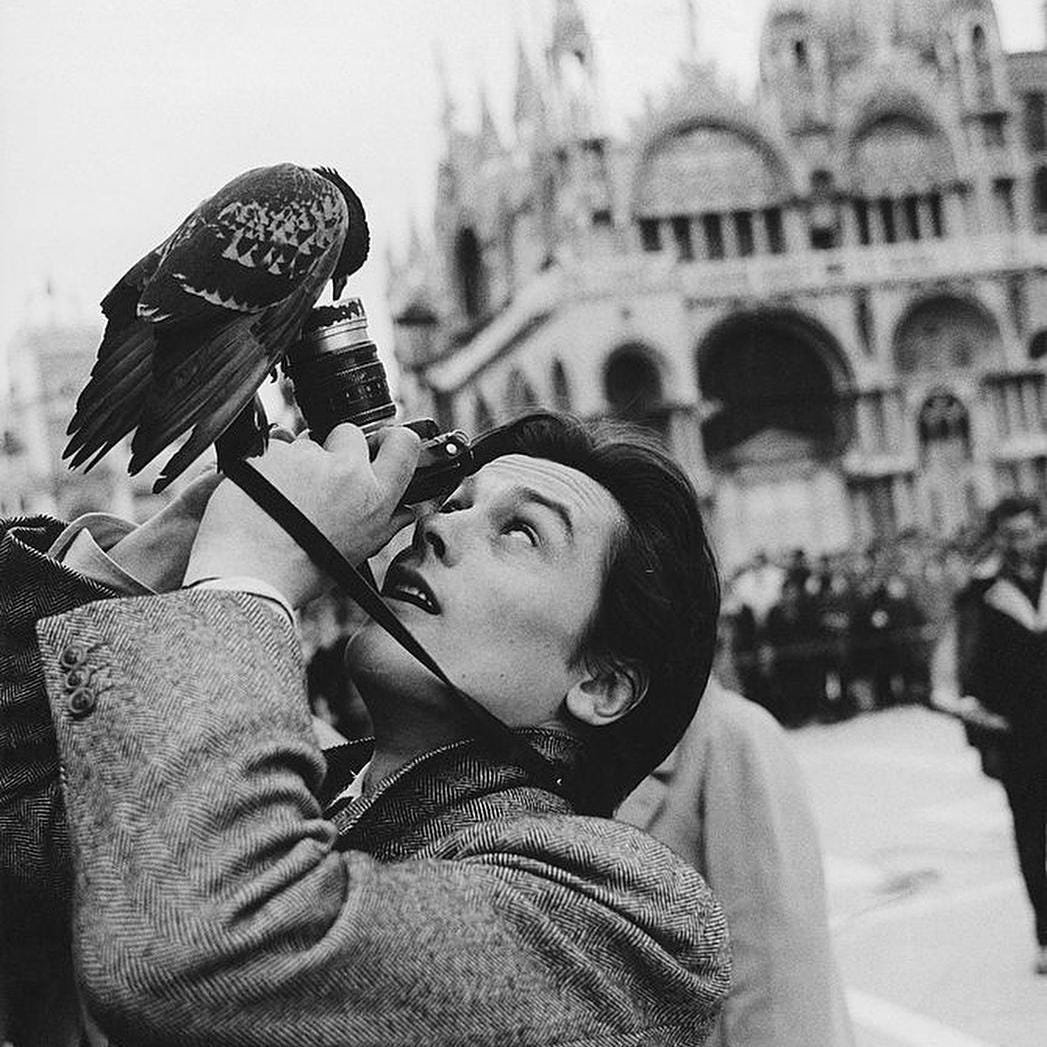
You must make of your life a work of art…True superiority is found in this.
-Gabriele d’Annunzio
Of all the advice I’ve received in my life, none has been so impactful as the following:
Live your life as art.
At first, it sounds compelling. But the more you dwell on it, the more abstract it becomes. What does it mean to live life as art? Does that not entail a certain degree of selfishness? Decadence? Detachment from reality?
Not so. In fact, quite the opposite. When conceived of properly, living life as art makes you more grounded in reality, not less. It makes you more rooted, more loving, and more charitable to those around you.
Today, I want to share what it means to live your life as art, and practical tips for how to begin doing so. Because, in the words of Shakespeare, “All the world’s a stage, / And all the men and women merely players” .
To play your part well, therefore, you must understand that you are indeed a character in a grand performance…
Scripts, Scenes, and Storyboards
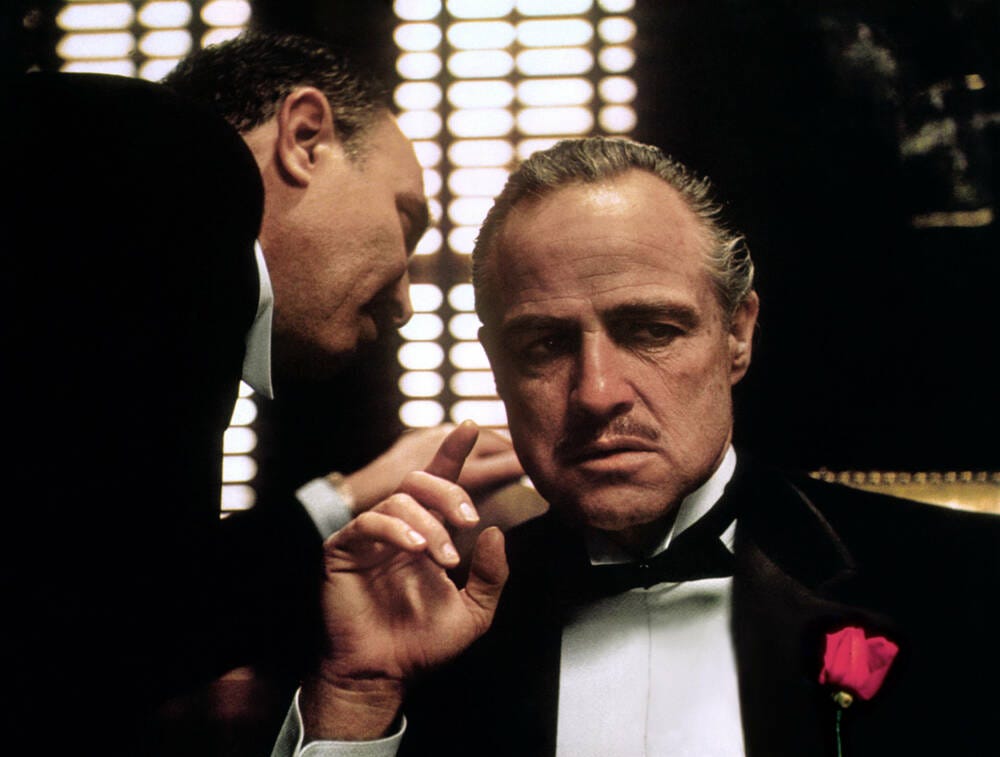
There is much confusion as to why you should live your life as art in the first place. Fundamentally, it is not something you do for others, but for yourself. At first glance, though, this seems to be at odds with Shakespeare’s “All the world’s a stage” — because isn’t the whole point of theatre to perform for the audience?
Yet just as method actors bring their characters to life by becoming as opposed to performing them, so too does living your life as art make your life a gift to others. It’s not about LARPing for the sake of your ego, but embracing an internal transformation that spills over into the real world. In other words, by doing it for yourself, it becomes something you do for others.
The biggest mistake people make, though, is to focus on the physical: on clothes, food, decor, etc. While these are important (and we will address them in the next section), they are completely insignificant if you do not first pay attention to the theory, or what I like to call the “scripts, scenes, and storyboards” of life.
Taken together, these elements compose the heart of who you are on the world’s stage. The script, for example, defines your character, the stakes, your voice, and your limits. It makes an actor ask: Who is this? What would they never do? What would they always do? Applied to your life, the script translates to your personal canon. It defines non-negotiable principles and moral red lines just as much as the virtues you are trying to embody.
The storyboard, on the other hand, is what helps you visualize scenes in advance, so as to prevent improvisation from going too far. Way too many people ruin their lives by acting as though they’re perpetually in the grand finale of their life’s drama. But what if it’s just Scene 1 of Act II? By conceiving of your life in “scenes”, and by recognizing that no one scene tells the full story, you can begin to look ahead to the rest of the storyboard to see how things play out down the line.
While it’s easy to critique the vanity and excess of those with “main character energy”, there’s actually incredible value in casting yourself as the protagonist in a larger story. Why? Because we hate to suffer, yet the stories we love most are full of it.
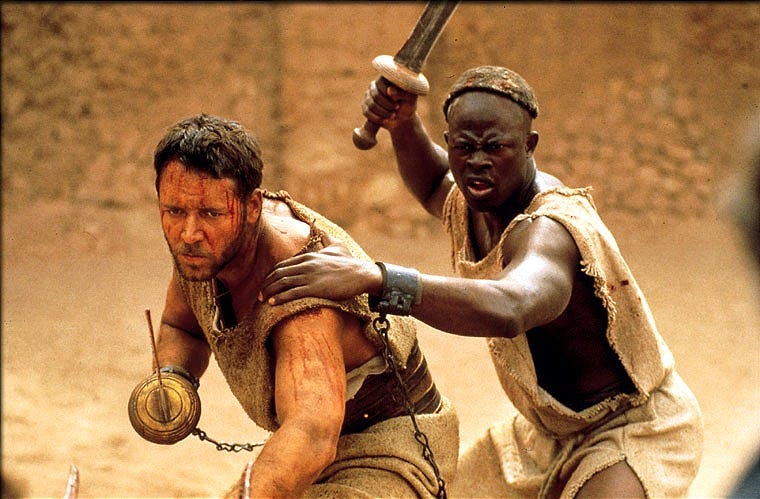
Batman’s hero arc begins with him being orphaned. Joseph’s with being sold into slavery. Gladiator’s Maximus sees his family murdered, and Aeneas flees from Troy as it burns to the ground.
In all of these cases, the main characters experienced struggles that are objectively more difficult than the vast majority of the ones you face today. Yet you don’t pity them or lament their bad fortune to the same degree you would if the same things happened in your own life. Why? Because you know the ending.
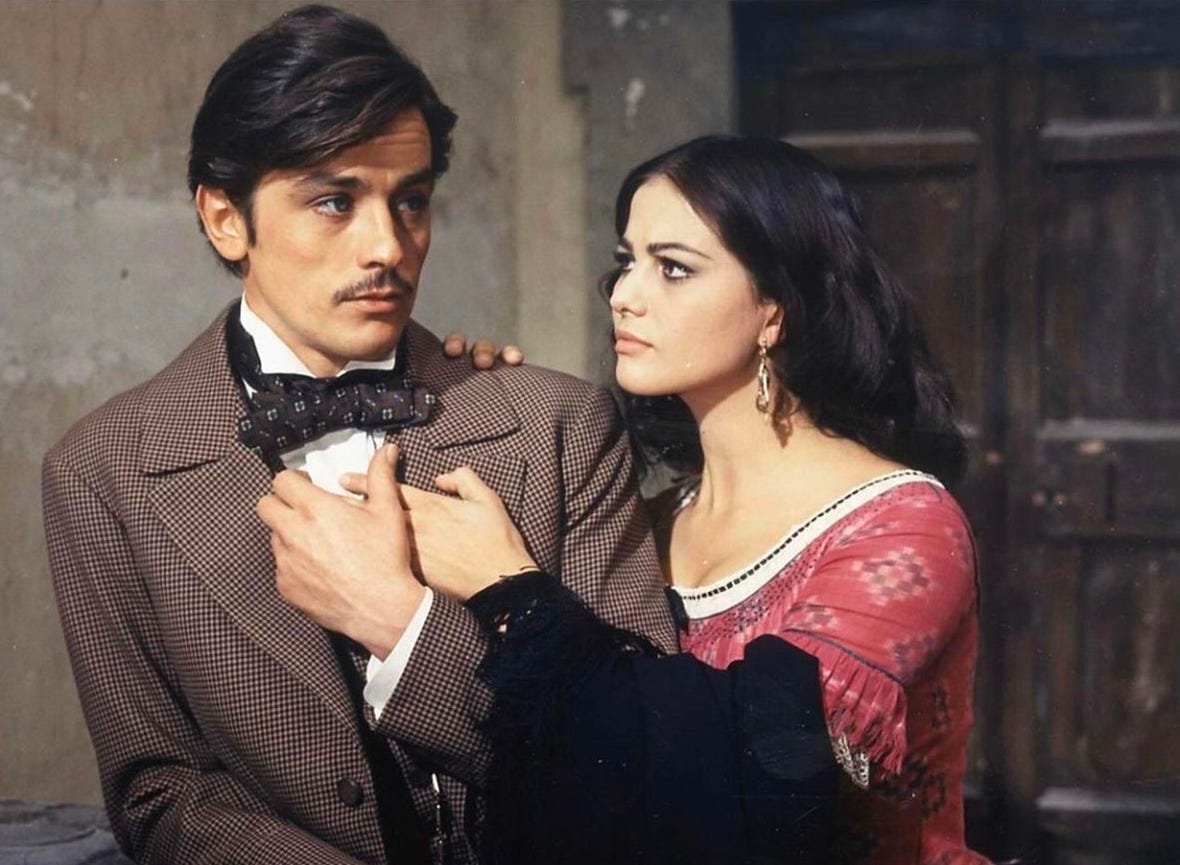
By reframing your life’s difficulties as temporary scenes in early acts, you can begin to conceive of how you’ll rewrite your story by the end of the play. Engage the imagination as much as you like in order to do so. In a tough marriage and feel like you made a mistake? Pretend you’re an 18th century aristocrat in an arranged marriage, who eventually learns how to make it work and cultivate romance with his wife. The possibilities are endless.
In living your life as art, the script, scenes, and storyboards matter far more than the props you use or the costumes you wear on stage. That is not to say, however, that they are unimportant…
Dress, Decor, and Decorum
Just as the frame around a work of art influences how you perceive it, so do the objects in your life influence how you perform and carry yourself:
Research on enclothed cognition, the persistent influence of clothing on a wearer’s psychology, found that said influence depends on two factors: the physical experience and the symbolic meaning of wearing clothing.
One series of experiments gave participants lab coats that were described as either doctor’s coats or painter’s coats and instructed to complete visual search tasks. The participants who were told they wore doctor’s coats performed better at their task than those wearing painter’s coat, despite the coats being exactly the same. Another finding was that actually wearing the coat had a greater impact than merely seeing the coat nearby while performing tasks.
-PJ Poscimur, The Symbolic Power of Clothing
This phenomenon is not limited to the field of clothing, but applies to everything in your environment. This is why, if you desire to live your life as art, you must surround yourself with beautiful, meaningful things.
Your wardrobe is the best place to start, but after that you can move to the kitchen, your office, etc. Replace your ballpoint pen with a fountain pen. Change out kitsch coffee mugs with ornate and elegant ones. Hang great art on your walls, and hang it in high quality frames. Use a leather notebook to capture your thoughts and to-do lists, wear an analog watch instead of checking your phone, or change paper towels for linen napkins at the dinner table.
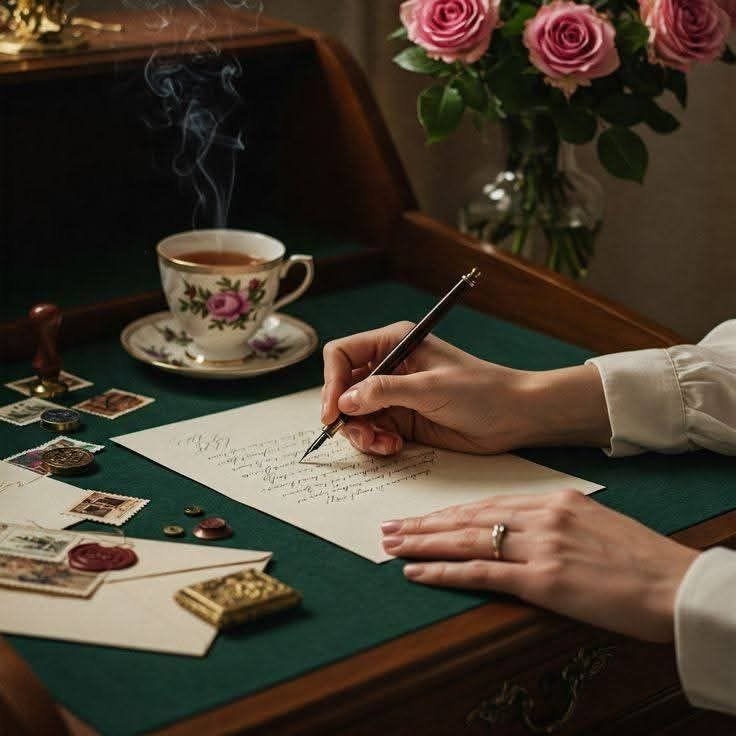
These details might seem small, but they have a major impact on your psyche. So much so, in fact, that the objects we surround ourselves with often trap us in a sort of feedback loop. Italian author Gabriele d’Annunzio captures this perfectly in his description of his character Andrea Spirelli’s carefully cultivated surroundings:
All those objects, amid which he had so many times loved and enjoyed and suffered, had for him acquired something of his own sensibility. Not only were they witnesses to his loves, his pleasures, his sorrows, but they were participants. In his memory, each form, each color…was a note in a chord of beauty.
-Gabriele d’Annunzio, Il piacere
The objects you surround yourself with, from the clothes you wear to the pen you write with, are notes in a chord of beauty that provides the soundtrack to a life lived as art. Functionally, they achieve the same end as architecture: “We shape our buildings; thereafter they shape us.”
Art as Love
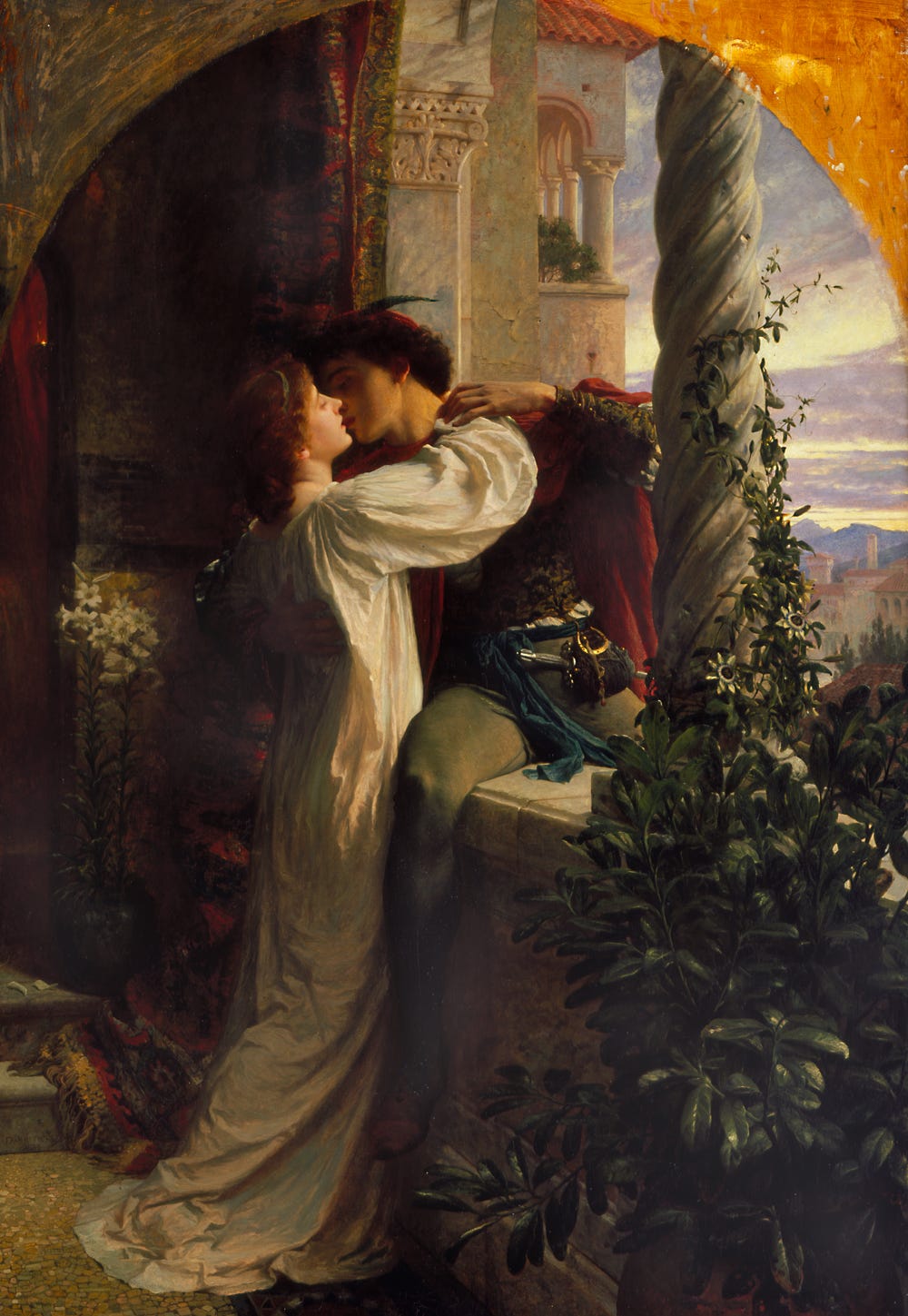
As stated in the intro, living your life as art is something you do for yourself, but which ultimately redounds to the good of others. One of the main ways it does so is by strengthening you in virtue and charity.
This is because the protagonists we admire most are not those who lament their past decisions or the fact life has been cruel to them. Rather, they are those who persevere through injustice and hardship. In casting yourself as the protagonist of your life, therefore, you will indirectly imitate these virtues. “What would Aragorn do in my situation?” might seem like a silly question, but it will never lead you astray if you answer it honestly.
The key, of course, is to recognize what’s actually admirable, and which protagonists you should seek to model your life on. It’s okay to pick and choose virtues from men who are otherwise flawed in other domains, as long as you remain oriented in the right direction. The main thing is to never allow yourself to view real life as a hindrance to your art: for example, your work, your kids, your spouse, etc.
To live your life as art means to take the banal, everyday, and at times frustrating aspects of life and elevate them to a higher plane of existence. It is, in other words, a call to enchant the ordinary.
For what else is art but reality seen through the lens of enchantment?
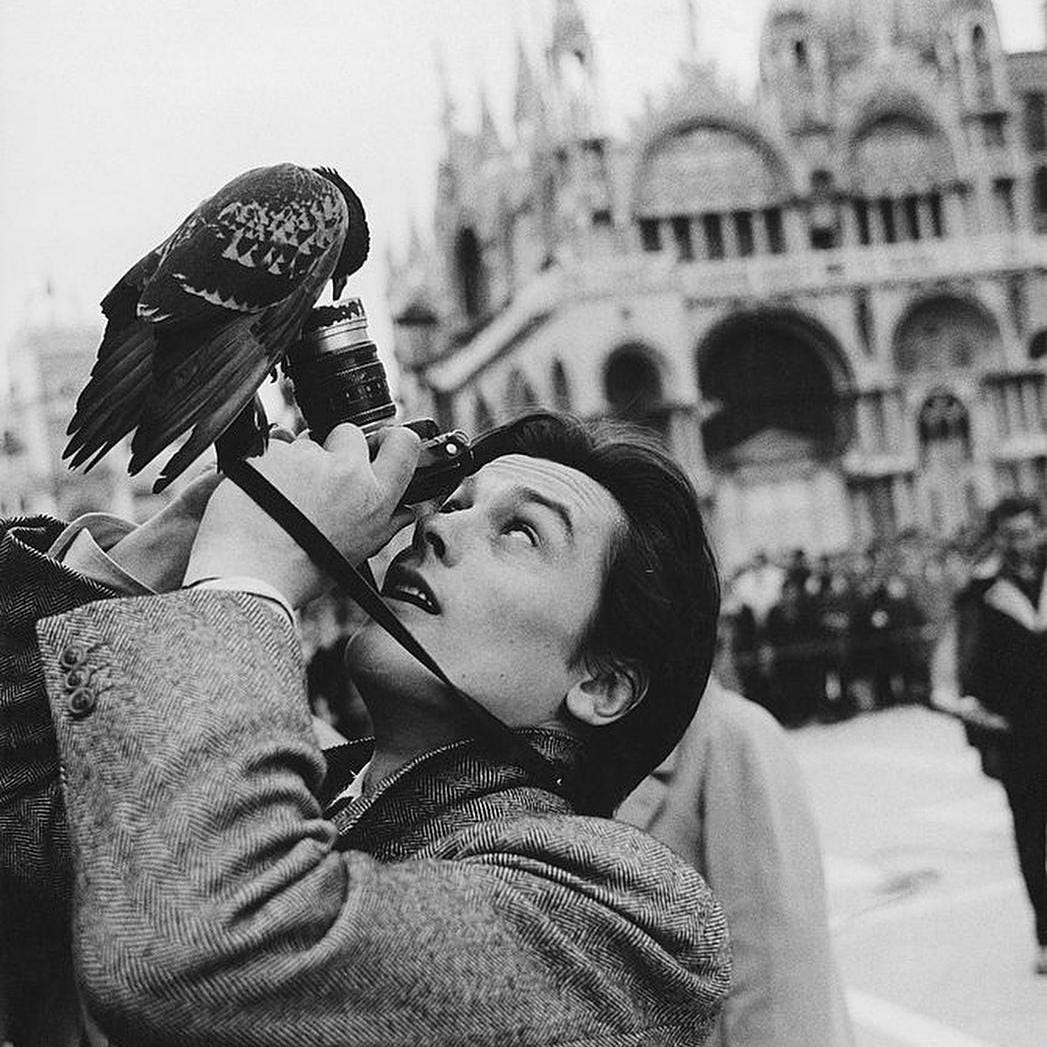
I hope you enjoyed this article. But even more, I hope you join us in Venice this May for what is bound to be a thoroughly enchanting retreat.
Applications close this Saturday, so submit yours now before it’s too late:
This is a great reminder that we are at the mercy of our fortitude. Will we be engaged with the truth, goodness, and beauty surrounding us or with our inner turmoil? I rarely leave my abode nowadays and when I do, I find myself disoriented because the noise, the clamor, and the hyperactivity around me can be so debilitating. But I remember the arduous hike I recently took one night up a hill to see the stars. I saw Jupiter and Uranus and it was humbling. I see how finite, how miniscule our lives are yet so significant to those in our orbit. I see my troubles as temporary in their lifespan. To embody an artful life is to leave a lasting impression, knowing that we will not be here much longer and will only see beauty, truth, and goodness for a moment until it's gone.
What a wonderful lens through which to view the world! I shall add this to my other favorite lens, adventure! Adventure can be small or large, it's all in the perception. But it really should be done with beauty. Thank you for a great read!