
Travel Is Overrated
And Seneca agrees with me

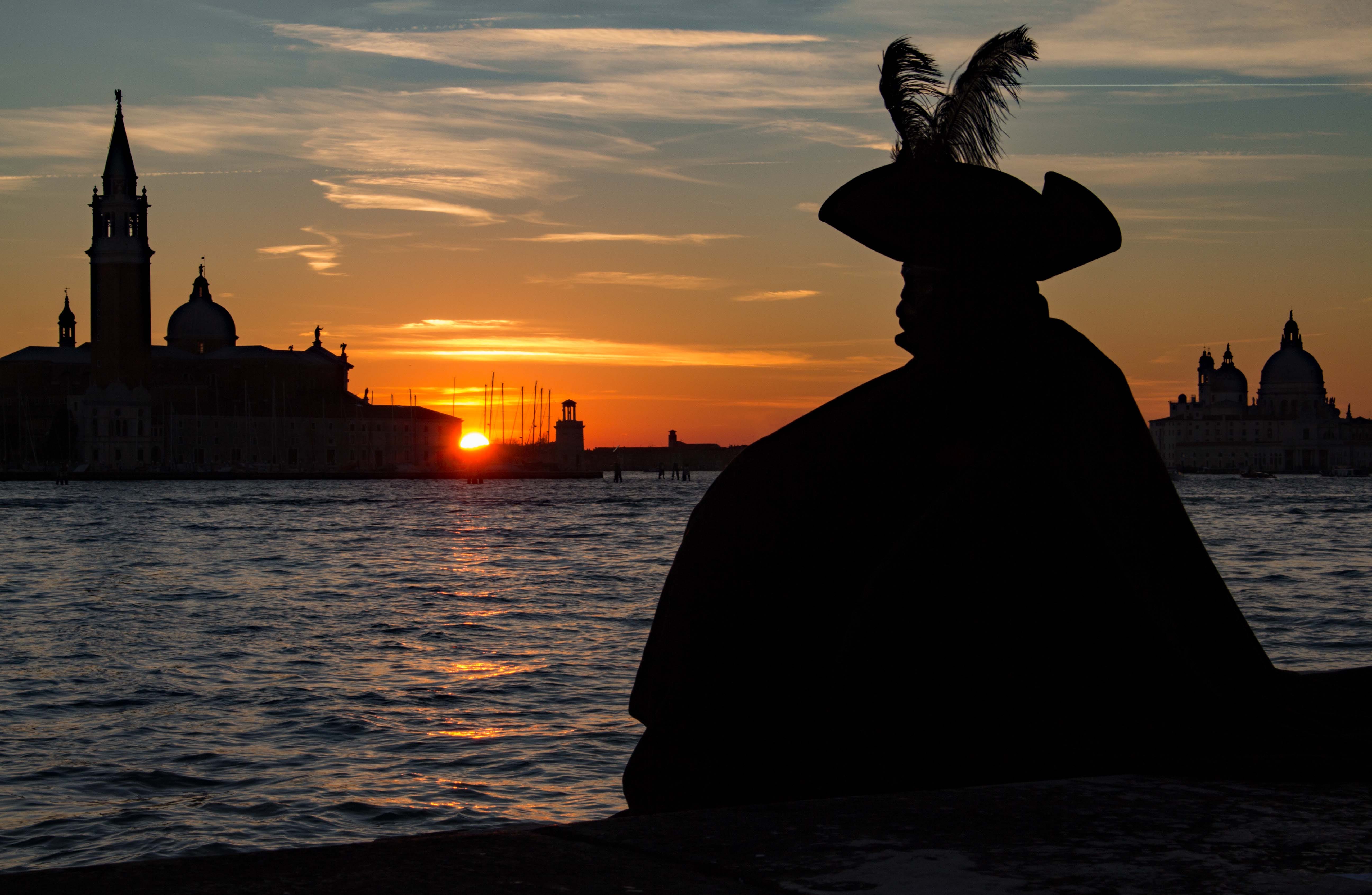
Travel is overrated.
I say this not as someone who’s never traveled, but as one who’s visited over 20 countries. That number isn’t something I put much stock into, by the way. Of all the countries I’ve been to, only two or three have been ones that I very intentionally decided to visit. I never set out to see all these places, it’s just how my life has worked out.
Nowadays, to say that travel is overrated is almost anathema. In certain circles, it might brand you as low-class, ignorant, or — horror of horrors — MAGA. This is because when you say “travel is overrated”, what people actually hear you say is “travel isn’t good.”
While I think there is certainly room to critique the default assumption (held with an almost religious fervor) that travel is, in all cases, nothing but an inherent good, I’ll leave that to the side for now. Travel, for the most part, is a good thing. But there are many good things in life. Few good things, however, are as over-valued as travel is.
In today’s article, I want to share with you exactly why it is that travel is overrated. Then, I’ll lay out my three points for making the most of travel, and how to ensure it actually delivers on the goods people expect of it.
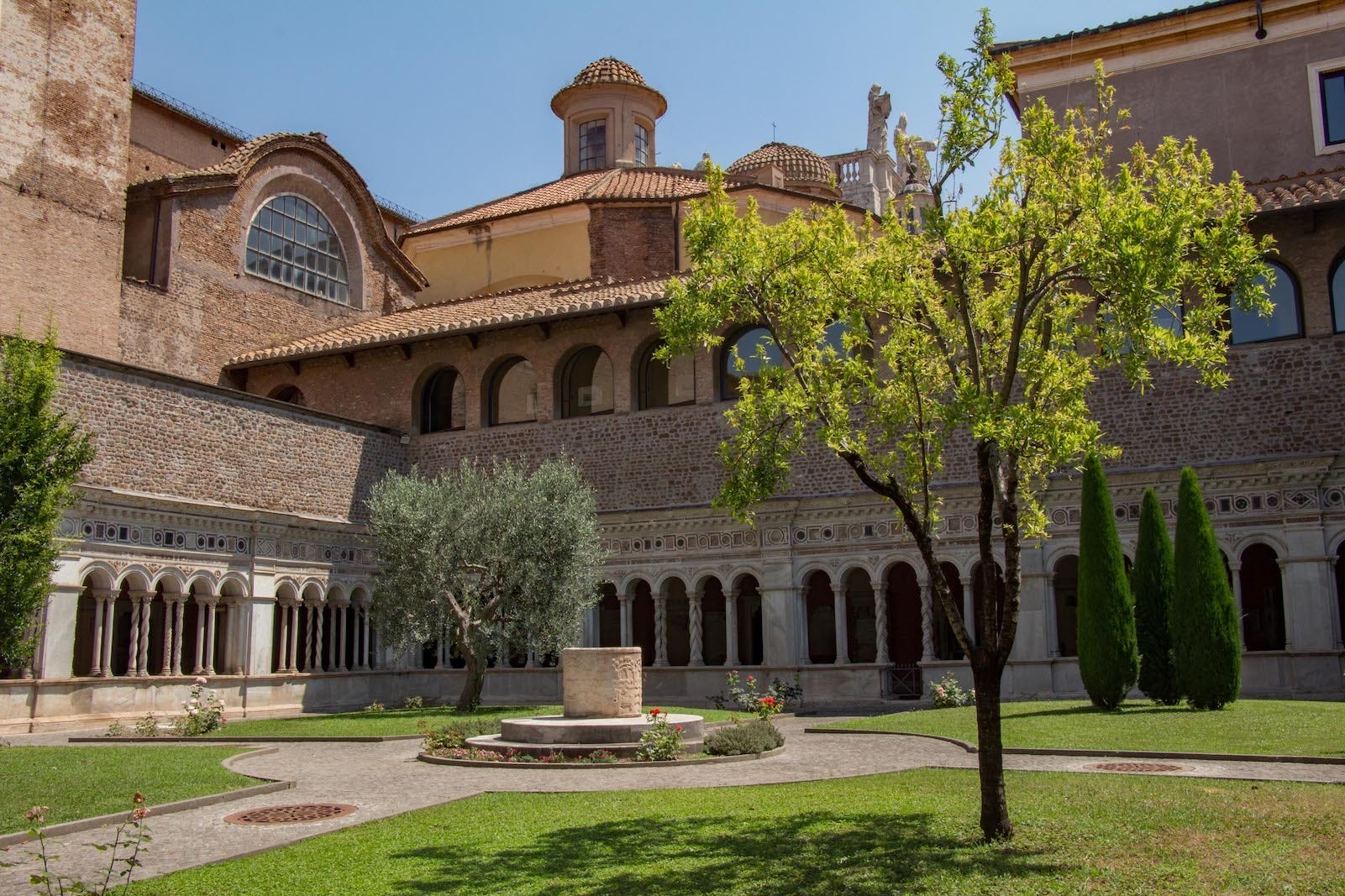
As for where to begin, why don’t we start with the wisdom of an ancient Roman? I’m writing this from Italy, after all. When in Rome…
Modern Medicine, or Ancient Disease?
Travel is often seen as a cure to the woes of everyday life. Bored? Travel. Gap year? Travel. Need to find yourself? Travel. Going abroad seems to be the solution to everything.
On the surface, this might seem like a new phenomenon, because never before have people been able to travel to other continents so inexpensively. But surprisingly, it’s a problem that goes back not just decades, but millennia.
Writing in the first century AD to the Roman procurator of Sicily, Stoic philosopher Seneca reprimanded him for his naive views on travel. In Letter XVIII to Lucilius, Seneca says:
Do you suppose that you alone have had this experience? Are you surprised, as if it were a novelty, that after such long travel and so many changes of scene you have not been able to shake off the gloom and heaviness of your mind? You need a change of soul rather than a change of climate.
Though you may cross vast spaces of sea…your faults will follow you whithersoever you travel.
Here we see the first indicators that excessive travel is less a modern solution to boredom and dissatisfaction than it is an indicator of a personal malaise. Of course, there is definite fun to be had in exploring new places. But for many, travel is used as a means of escape, a break from the monotony of everyday life. It is less a pull towards something than it is a push away from something else.
Such an approach to travel, however, will never satisfy you, which is why those who frequently travel often seem addicted to it. Their life revolves around planning and going on their next trip. Travel becomes their “personality”, which is to say that it really just masks a lack of one.
Picking up on the never-satisfying nature of travel, Seneca continues:
Socrates made the same remark to one who complained; he said: “Why do you wonder that globe-trotting does not help you, seeing that you always take yourself with you? The reason which set you wandering is ever at your heels.”
What pleasure is there in seeing new lands? Or in surveying cities and spots of interest? All your bustle is useless. Do you ask why such flight does not help you? It is because you flee along with yourself. You must lay aside the burdens of the mind; until you do this, no place will satisfy you.
In short, travel isn’t a solution. It will never fix anything about you. Functionally, it’s just a more expensive version of watching Netflix: it’ll make you forget about your problems for a short while, before you’re eventually thrust back into the real world.
This is why travel is overrated. It’s not a bad thing, but people treat it like the Holy Grail of self-transformation when in reality it’s just expensive Netflix. But of course, it doesn’t have to be this way.
Travel can, when done well, be exceptionally eye-opening. When grounded in a deeper cause and purpose, even short trips can change your outlook on life and change how you interact with the world.
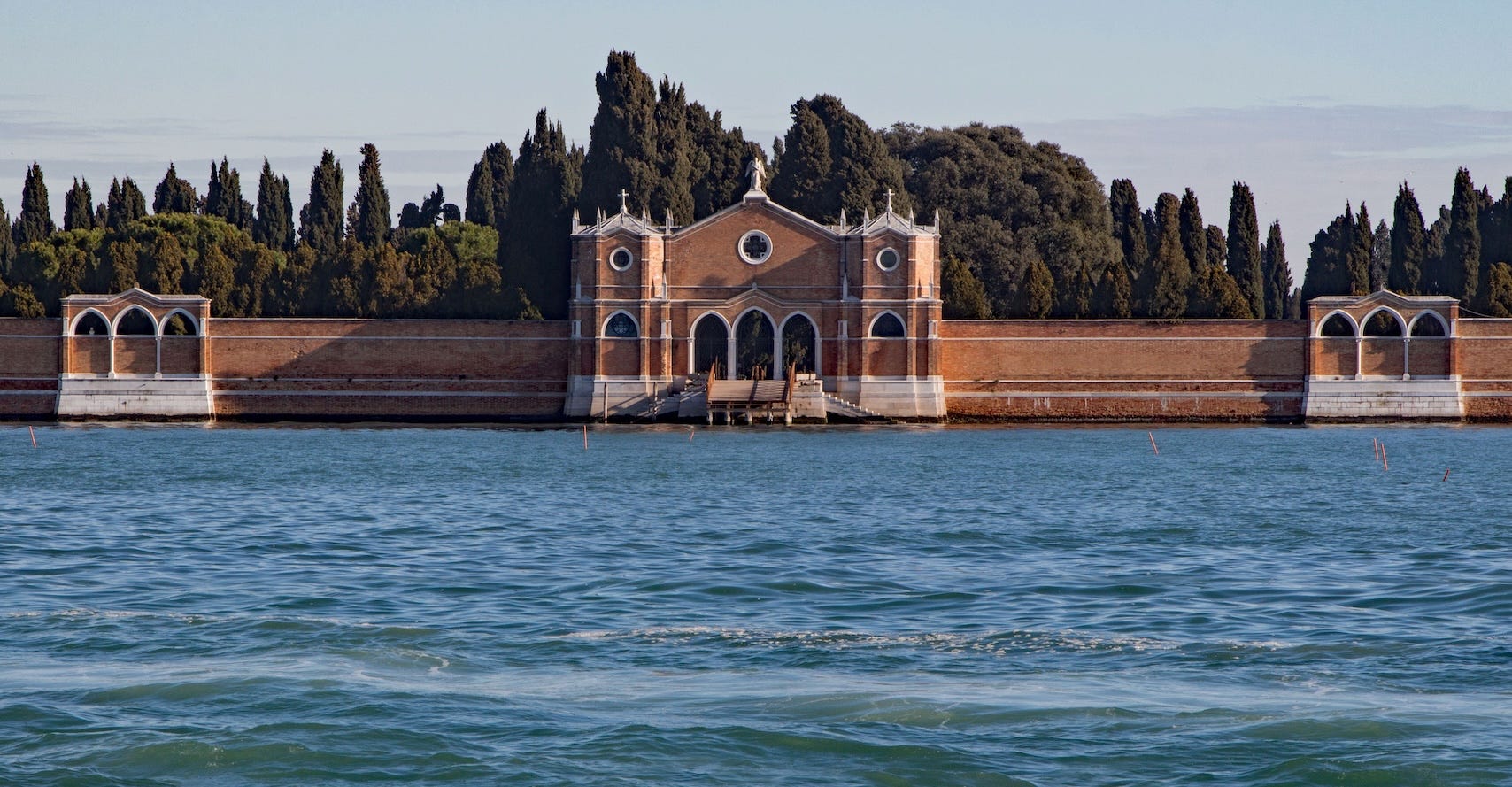
(Speaking of which, applications for our retreats to Venice and Bergamo close on the 14th, so apply now if you want to join us)
The real key to making travel meaningful comes down to following three main rules. I call them the “three L’s” of travel. Having spent nearly a decade abroad, these are what I’ve learned to be the most important things to do if you really want your travel to transform you.
They’re simple, but not necessarily easy. The most meaningful things in life, however, rarely are…
