
The Regrets of Casanova
Is a life dedicated to pleasure one well-lived?

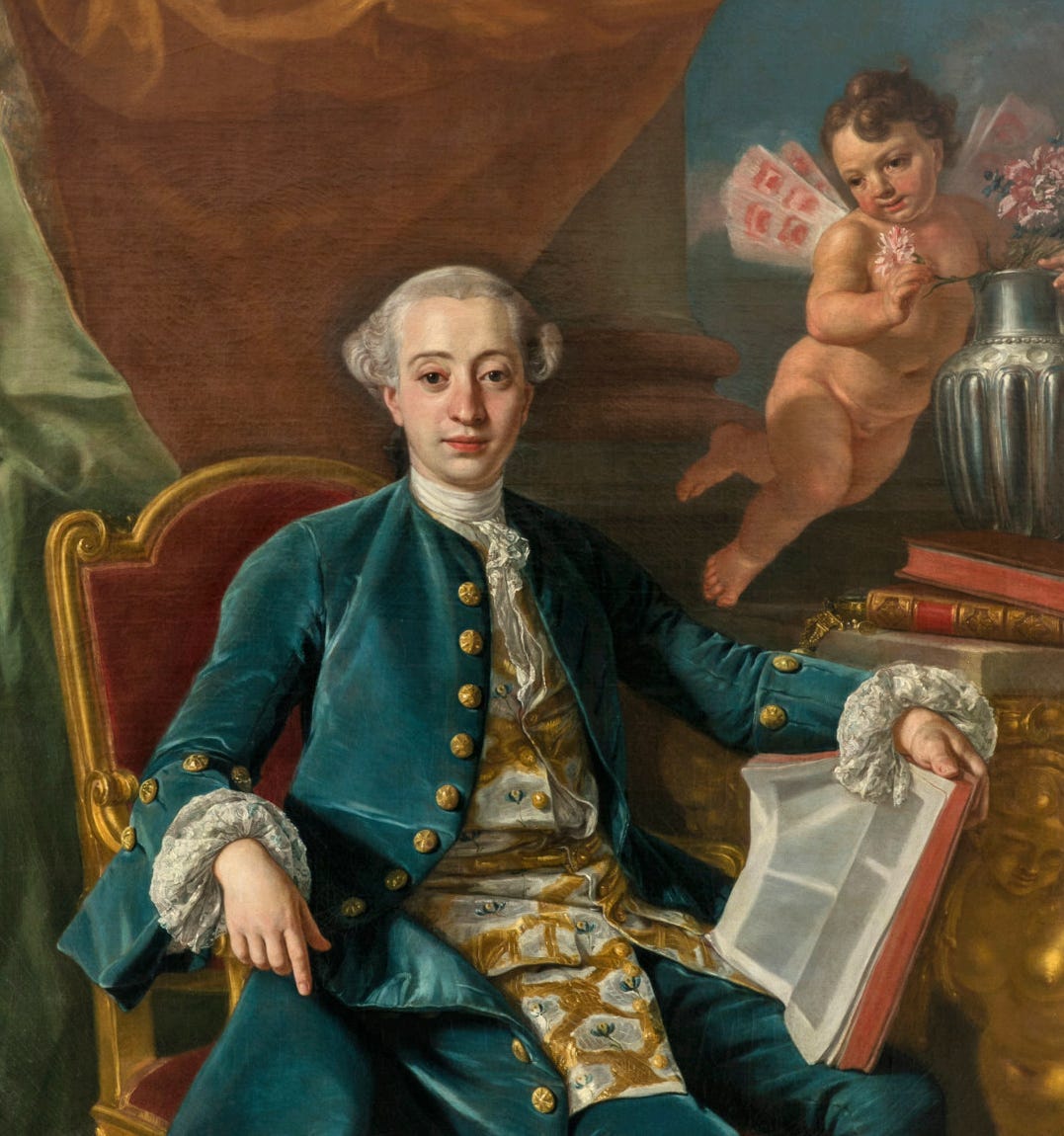
The popular culture of the late twentieth and early twenty first centuries has done much to convince a tragic number of men and women alike that the hedonistic life is the only one ‘worth’ pursuing.
Why concern yourself with such ‘old-fashioned’ notions of purity, of monogamy, of marriage and family, or the judgement of society — let alone God — when you can ‘live in the moment’, ‘find yourself’ and ‘enjoy your youth’? In other words, why not aspire to the life of Giacomo Casanova, whose very name has become the archetype of the hedonist par excellence?
Yet the dark allure that has grown around Casanova requires that you see only the caricature of him, rather than the man who actually lived. For the true Casanova, far from being a model of masculinity, is a warning from history as relevant today as ever.
Fortunately, we do not need to rely on the testimony of others. We can read his own, in the record he himself left. So let us explore what his own words can tell us about the dangers of pursuing a life of pleasure and fame…
The Price of Pleasure
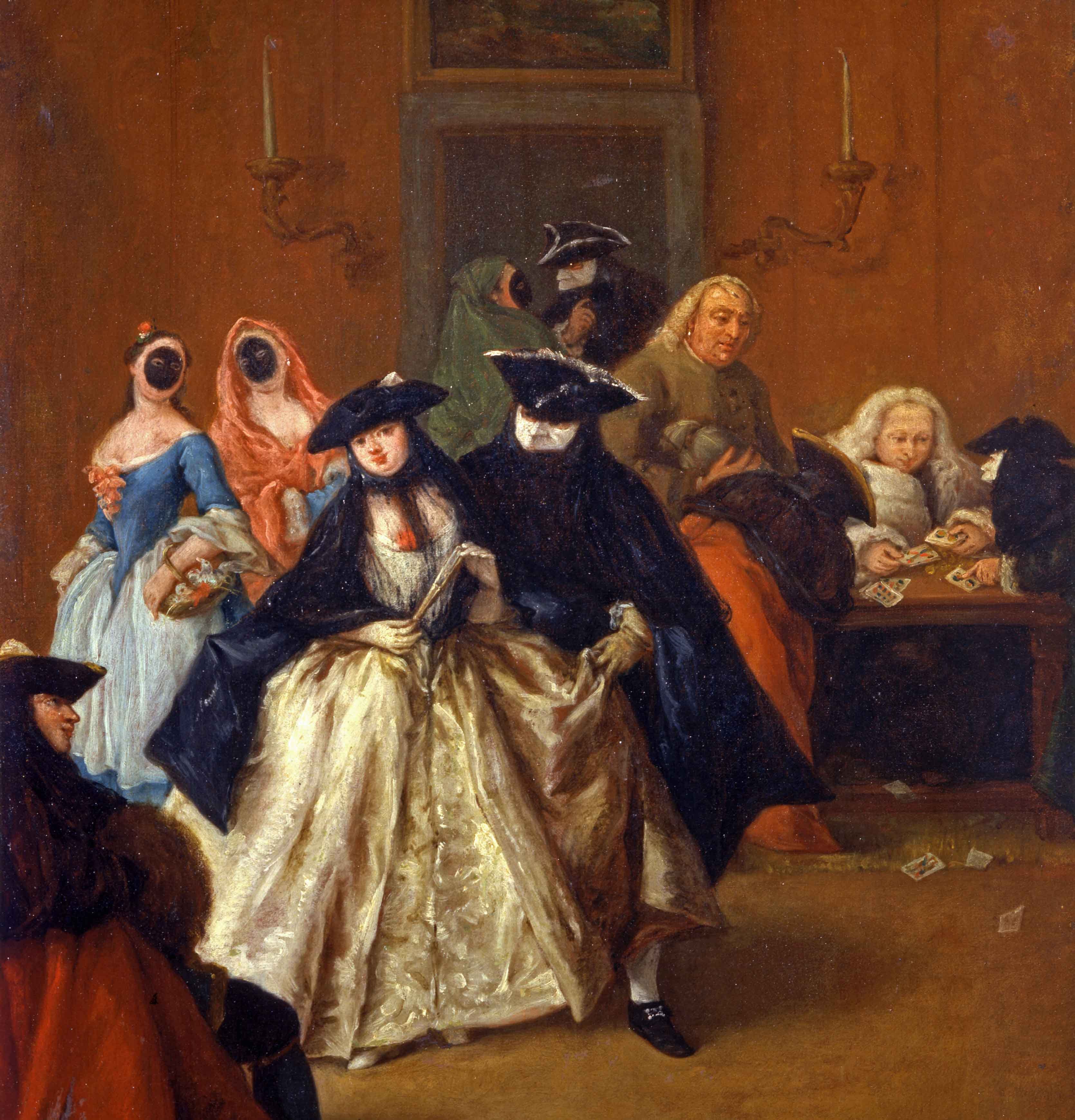
The most obvious legacy of Giacomo Casanova lies in the dictionary. Casanova itself, after all, is a name that has become a common noun, denoting a promiscuous man, a seducer and a libertine — that is, a man who objects to moral principles, and relishes their subversion.
While the real Casanova was far more than a womaniser, it would of course be futile to avoid discussing his most infamous quality. It should nevertheless be noted, however, that the primary source for Casanova’s life is indeed his own incomplete autobiography — Histoire de ma Vie (‘Story of My Life’) — which he composed in the unhappy latter years of his life. In the preface to the Histoire de ma Vie, Casanova describes the nature of this autobiography as follows:
“Dear reader, I trust that, far from attaching to my history the character of impudent boasting, you will find in my Memoirs only the characteristic proper to a general confession, and that my narratory style will be the manner neither of a repenting sinner, nor of a man ashamed to acknowledge his frolics. They are the follies inherent to youth; I make sport of them, and, if you are kind, you will not yourself refuse them a good-natured smile”
Casanova, Histoire de ma Vie, Preface
Following on as it does from an extended passage detailing his own professed faith as a Christian, yet so too his commitment to being a “free agent”, it is left tantalisingly ambiguous throughout the autobiography what Casanova intends by “confession”. Is this an act of sincere repentance, or is he letting us in on apparently forbidden secrets, happy to take us for the ride?
Whether Giacomo Casanova truly counted over a hundred and twenty lovers — including several men — therefore, is curious trivia, but ultimately unimportant. More significant is how he embarked on this path, and the endgame of it.
History is littered with examples of men who suffered defining tragedy in their earliest years. For some, it was their cruel making, the driving force behind their will to better themselves, or their societies. For others, it was their breaking, and Giacomo Casanova sadly falls into the latter camp.
As the son of two actors who worked in a city then notorious for its loose morals, Casanova’s life was unlikely to ever be conventional. Wherever it might have lead, however, was abruptly cut off at the age of barely six, when his father died in 1731. With his mother forced to travel around Europe for work, the boy was briefly raised by his superstitious grandmother, before being sent off to a torrid boarding school in Padua. Without family oversight, Casanova was ill-prepared for the early adulthood that was forced upon him, when at the age of eleven, he was aggressively fondled by his tutor’s wayward daughter Bettina, “which I thought innocent, but which caused me to be angry with myself”. Thus began the first scandalous relation of Giacomo Casanova, and the spiral of his life:
“In spite of a good foundation of sound morals, the natural offspring of the Divine principles which had been early rooted in my heart, I have been throughout my life the victim of my senses; I have found delight in losing the right path, I have constantly lived in the midst of error, with no consolation but the consciousness of my being mistaken”
Casanova, Histoire de ma Vie, Preface
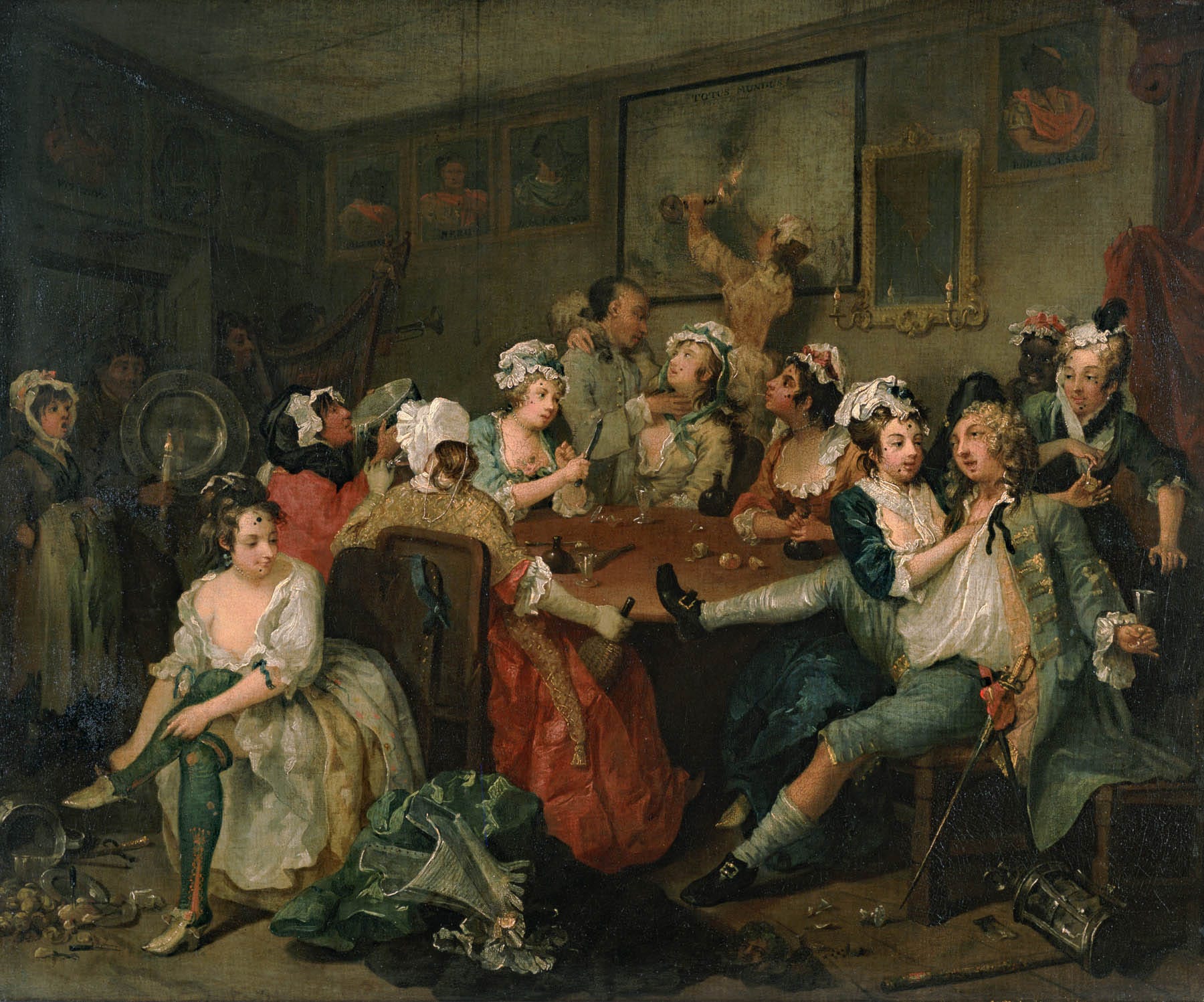
As the events in Padua established within him, and as his above words imply, despite his reputation as a ‘conqueror’ of women, time and time again the true overriding characteristic of Casanova was his passivity. Despite his almost defensive assertions of being a “free agent”, Casanova was a man unable to break free from instinctive impulses which entirely hijacked his life. Endless friendships would be ruined, and business opportunities sabotaged, by this slavery to his passions.
So overwhelming was temptation to him that Casanova would not be dissuaded even upon discovering that rampant promiscuity brings with it more than moral risk:
“But, alas! The path of pleasure is not strewn only with roses! On the third day, I found out, much to my dismay, that a serpent had been hid under the flowers”
Casanova, Histoire de ma Vie, Volume I, Chapter VII
It is ultimately impossible to know just how many venereal diseases Casanova contracted over the course of his consuming life. Multiple times in the autobiography he details the agony and horror of discovering some new malady in either himself or a lover. It is almost certain that he was still a young man when his body was riddled with gonorrhea and, even worse, syphilis, with all of the destructive consequences this can have upon the mind and body.
In one especially disturbing revelation, during his time in Germany he commenced an affair with a woman infected with something “which devoured her interior parts and left no marks outwardly, and was thus all the more dangerous”. Despite knowing this:
“I cannot imagine what had become of my wits to let myself be so beguiled, while every day I renewed the poison that she had poured into my veins”
Casanova, Histoire de ma Vie, Volume IV, Chapter XIII
Indeed scarcely a chapter of the Histoire de ma Vie goes by without Casanova facing disabling bouts of fever that consign him to bed for days or weeks at a time, while it is strongly implied that by the end of his life, syphilis had left “indelible marks” on his face. Only pure luck, and the timely interventions of scores of doctors, kept him alive until middle age.
A man who cannot control himself, however, is easily controlled by others, and Giacomo Casanova was thus vulnerable to forces far more nefarious than his own instincts…
Feeding the Beast
Casanova, for all of his base struggles, was far from an unintelligent man. On the contrary, his extraordinary wit and quick-thinking proved to be his primary asset throughout his life, be it in the pursuit of women or of fleeting fortune.
As per his own preface, nothing incensed Casanova more than “fools”, and nothing gave him greater pleasure than exploiting the foolish. “I always feel the greatest bliss when I recollect those I have caught in my snares” (Histoire de ma Vie, Preface), he remarked. In his youth, he had pursued an interest in medicine, and more often than not, relished making others believe he possessed occult power when all he had performed were simple remedies.
But much like his instinct, Casanova never succeeded in tempering his thirst for knowledge with wisdom or caution. ‘Occult’ indeed is a word which surrounds Casanova from his earliest days. It was his grandmother, after all, who upon misdiagnosing Casanova’s frequent nosebleeds, took the boy to a “witch” on Murano, whose rituals and incantations profoundly disturbed the boy. Even more disturbing, however, was his grandmother’s warning to him the following day:
“She cautioned me to be silent, threatening me with death if I dared to say anything respecting my night’s adventures”
Casanova, Histoire de ma Vie, Volume I, Chapter I
Thus from another childhood trauma was born the second great vice of Casanova — the fascination for the secret, and obsession with the forbidden.
Disarmed in instinct and discernment, Casanova fell all too easily into the lap of the malintentioned. Deceived as so many otherwise gifted Europeans of his age were with the promise of arcane knowledge, in 1750 he enrolled into a certain brethren already on the road to infamy:
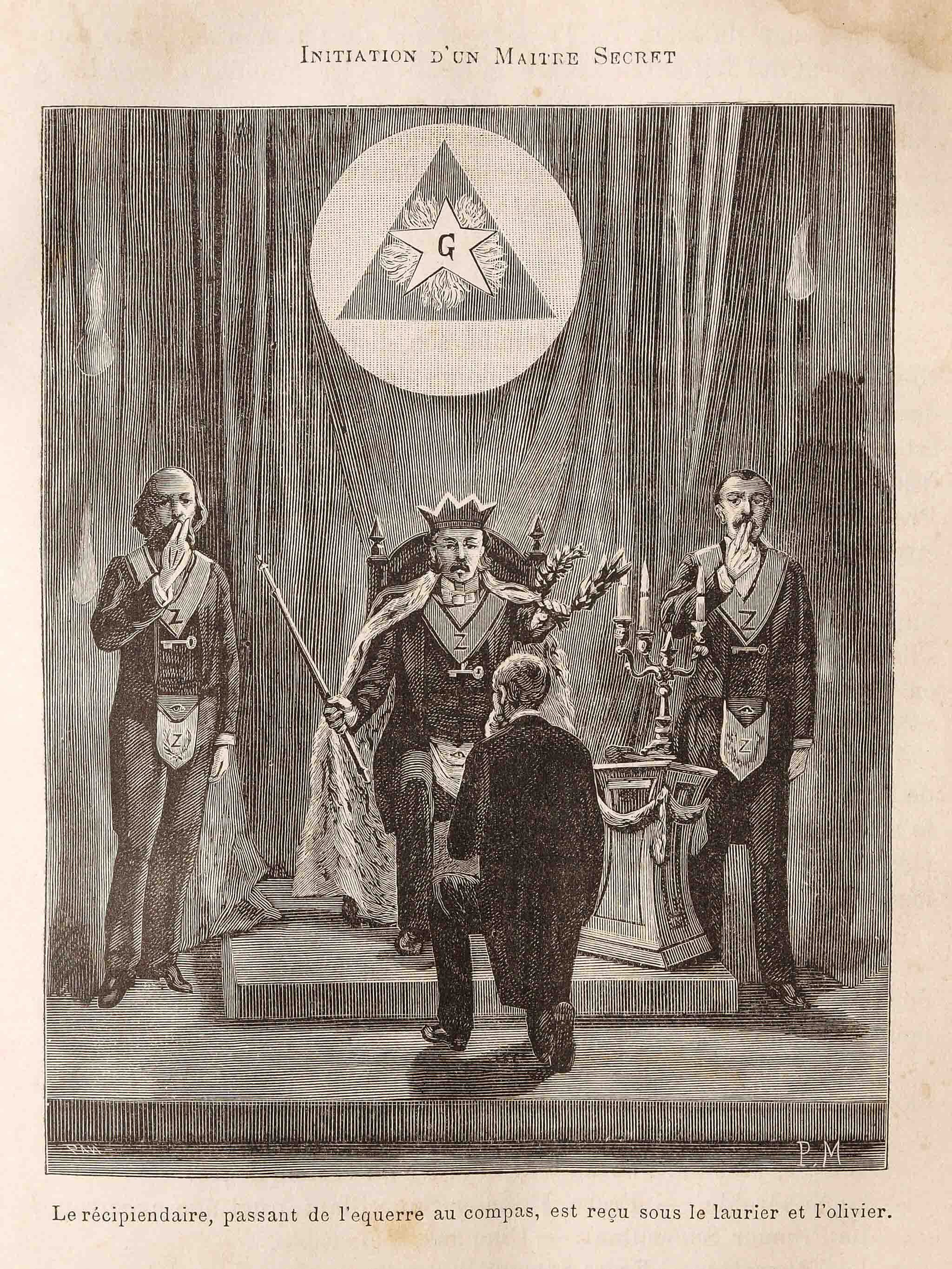
“It was in Lyons that a respectable individual, whose acquaintance I made at the house of M. de Rochebaron, obtained for me the favour of being initiated in the sublime trifles of Freemasonry. I arrived in Paris a simple apprentice; a few months after my arrival I became companion and master”
Casanova, Histoire de ma Vie, Volume II Chapter V
In this regard, the memoirs of Casanova are quite remarkable, in that they form a rare and open admission of initiation into Freemasonry. Despite his proud recollection of this however, Casanova is curiously evasive as to how far his involvement with the group went. Bound as Freemasons are to oaths of secrecy, however, this is predictable. He does, however, “advise all well-born young men, who intend to travel, to become Freemasons”, and subtle throwaway references throughout the narrative indicate that visits to enrolled Masons or Masonic Lodges regularly punctuated his travels.
His lone description of what Freemasonry is, however, is a curiously weak attempt at deflection:
“It is a charitable institution, which, at certain times and in certain places, may have been a pretext for criminal underplots got up for the overthrow of public order, but is there anything under heaven that has not been abused? Have we not seen the Jesuits, under the cloak of our holy religion, thrust into the parricidal hand of blind enthusiasts the dagger with which kings were to be assassinated!”
Casanova, Histoire de ma Vie, Volume II, Chapter V
Thus does Casanova casually vindicate one of the most serious charges that has long been levelled against the Freemasons, that they conspire towards the “overthrow of public order”. The other, more closely guarded, is that enrolment in the Masons requires one to disavow the basic creeds of Christianity, and work towards the overthrow of Christian governance everywhere, for such a world, its civic and religious bonds broken, is an ‘illuminated’, or ‘enlightened one’.
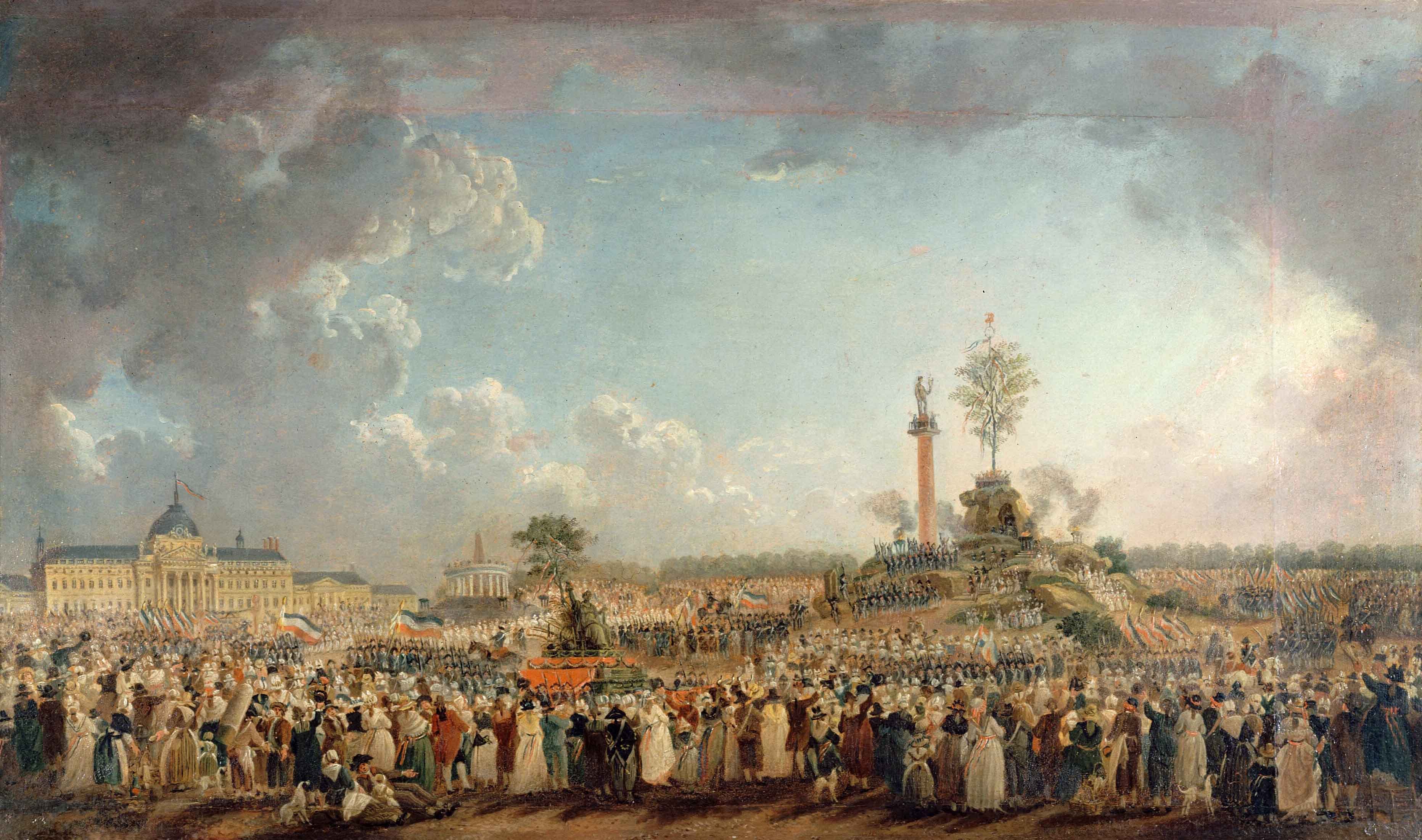
It is no coincidence that the later 18th century is indeed called the ‘Enlightenment’, when an otherwise impossibly high proportion of the revolutionary leaders who overthrew France, and the Catholic colonies of the New World soon after, were known Freemasons. That the first French Republic sought the violent destruction of the Church and Christian faith, and its replacement with a ‘Cult of Reason’, under an authoritarian government which believed in the violent export of its ideology, is likewise not coincidental.
Casanova, cryptically, does concede that:
“Freemasonry, in the midst of many men of the highest merit, reckons a crowd of scoundrels whom no society ought to acknowledge, because they are the refuse of mankind as far as morality is concerned”
Casanova, Histoire de ma Vie, Volume II Chapter V
After all, a generation earlier Pope Clement XII had formally banned all Catholics from involvement with Freemasonry — a ban upheld by Pope Francis in 2023 and remaining in force today:
“Thus these aforesaid Societies or Conventicles have caused in the minds of the faithful the greatest suspicion, and all prudent and upright men have passed the same judgment on them as being depraved and perverted. For if they were not doing evil they would not have so great a hatred of the light”
Pope Clement XII, In Eminenti, 1738
‘Depravity’ and ‘perversion’ are words that have long surrounded Freemasonry, particularly since its propagation across Europe and North America in the later 18th century. Their reputation for subversive morality, and strategy of reeling in recruits with the temptation of occult wisdom, would have drawn Casanova to them like a moth to a torch.
Thus from 1750, Casanova was a man corrupted in body and in spirit, having self-excommunicated himself from the Church. He had, therefore, sacrificed a great deal indeed in his pursuit of pleasure. But was it worth it?
The answer is more complex than you might expect. What Casanova documents next reveals neither absolute remorse nor unrepentant debauchery, but a much more complex truth…
