
Is Sleep Making You Exhausted?
Petrarch on what is really causing your tiredness...

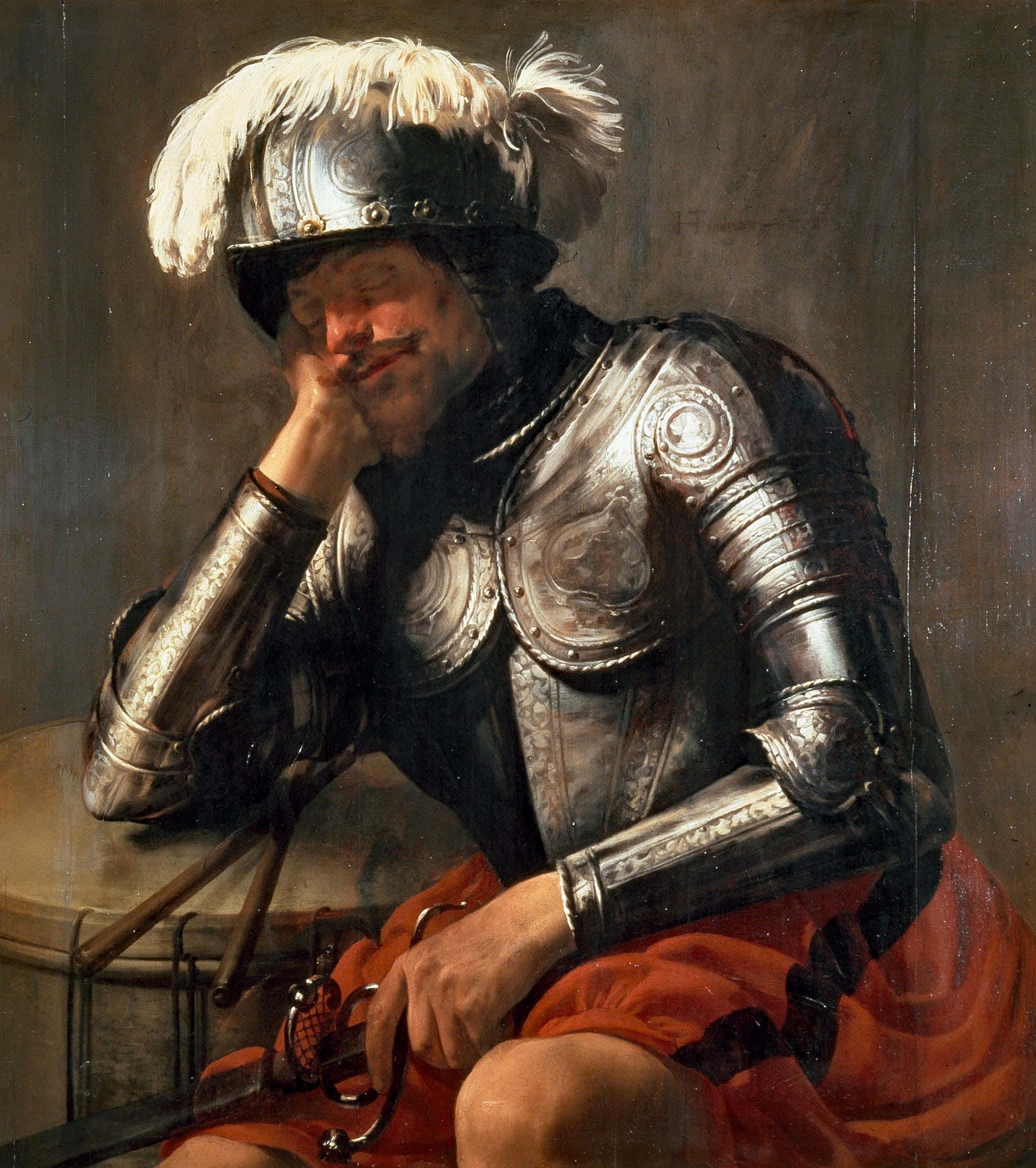
Do you ever wake up in the morning to find yourself more drained than you were the night before? As if the debt of stress is somehow never paid off, no matter how many hours of sleep you get?
‘That’s just how life is now’, the contemporary man may retort with quiet resignation, as he braces for another day of ‘the grind’. After all, the only apparent ‘solutions’ offered are questionable therapy and prescription medicines, for a problem which should not even exist in the first place. What, you may wonder, can our ancestors possibly have to say about this most stereotypically modern of struggles?
Rather a lot actually. Two thousand years ago, the Stoic philosopher Seneca considered how ‘preoccupied’ living gives the false impression that ‘life is too short’. Between his time and ours, however, the problem of ‘sleep not working’ was explored in further detail by none other than the man who largely sparked the Italian Renaissance.
In the 1360’s, the Tuscan poet and scholar Petrarch drew upon libraries of ancient wisdom to author one of the Western world’s most criminally overlooked treasures — De remediis utriusque fortunae, or Remedies for Good or Ill Fortunes. One of the 254 essays of practical wisdom contained within, simply titled Leisure and Rest, was written for anybody who feels crushed by routine and cheated by leisure.
Today therefore, we explore what Petrarch can teach you about what is really causing your tiredness, and how you can start waking up actually feeling refreshed…
To Enjoy Leisure, or To Use It?
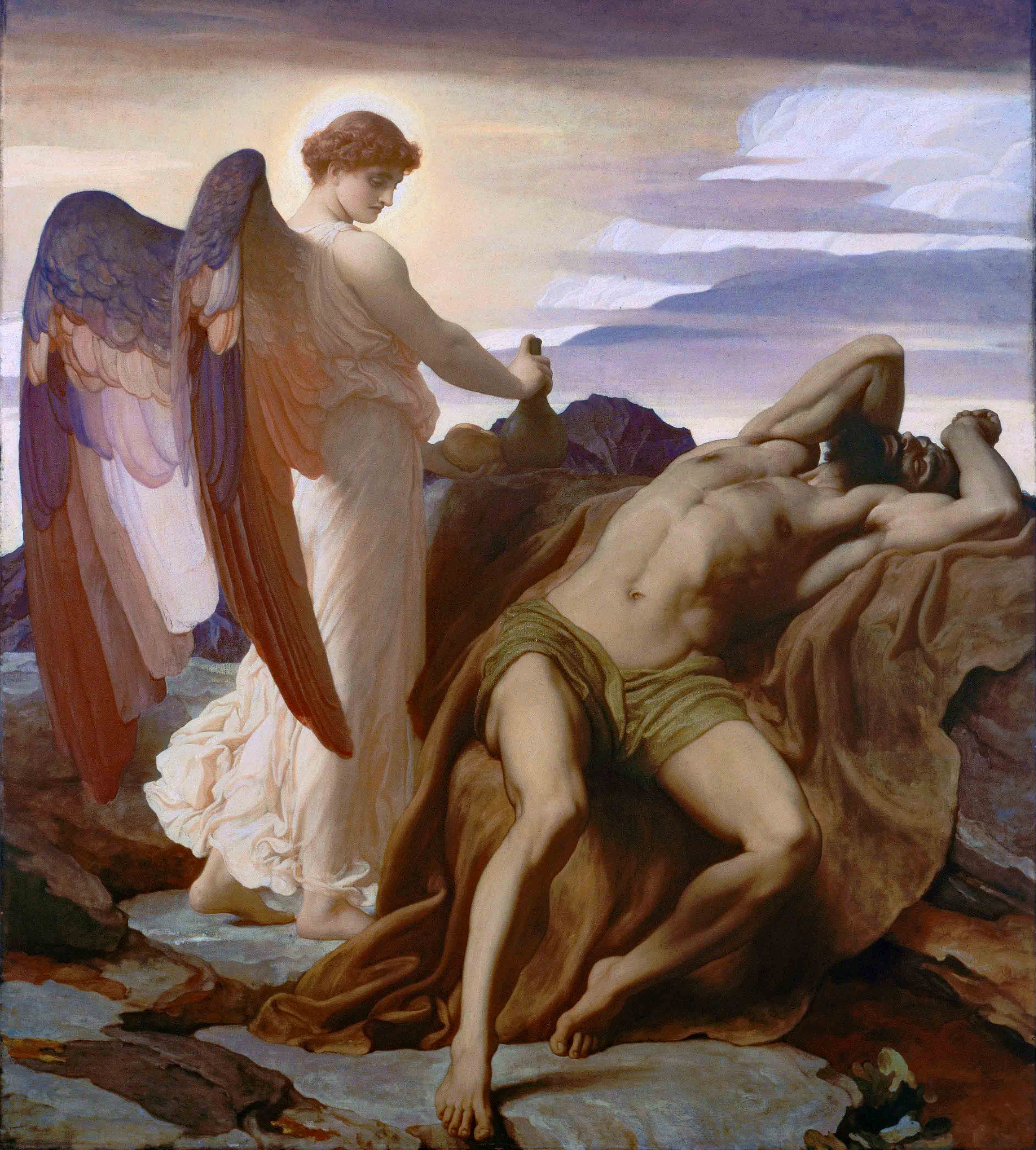
Petrarch, who survived the Black Death to witness the hellscape it left in its wake, was a man determined to revive not only the glories of Antiquity, but the ways of thinking which enabled them.
The way he writes De remediis utriusque fortunae is typical of this. Instead of being a solid text of dry and continuous thought, he adopts the ancient Greek model of presenting each essay as if it were a natural conversation. Leisure and Rest, indeed, is a ‘dialogue’ between the allegorical figures of Joy and Reason, who both represent the two sides of human nature — the emotional, and the rational — and so begins the verbal duel:
JOY: Leisure and rest from exertion have come to me.
REASON: Two of the most welcome goods in human life, provided that immoderate use does not turn them into the gravest of ills, which has happened to many, inflicting harm to the body as well as to the mind, swelling the one and corroding the other.
JOY: I enjoy the most delightful leisure.
REASON: You should say “I use the most delightful leisure.” Here on this earth nothing can be enjoyed, but many things can be used — thus says the salutary doctrine.’
Petrarch, De remediis utriusque fortunae, 21
‘Hurrah!’, our emotional side celebrates, ‘I have time for a bit of leisure!’. Petrarch, however, wastes no time before ensuring our rational counterpart hits us with a warning. That having ‘time for leisure’ is not by itself any guarantee that this will translate into actual ‘leisure time’.
On the contrary, if misused, what you are calling leisure could well be the exact opposite, “inflicting harm to the body as well as to the mind”. But Joy, unable to see past impulse, gets a little defensive:
JOY: I have delightful leisure.
REASON: It matters much what kind of leisure this is, because there are two kinds of leisure. One which is active, full of work even when at ease, and concerned with honest efforts. Nothing is sweeter than this. The other kind is sluggish and dull, wholly given to repose. Nothing is more detestable, nothing more similar to the grave. And thus the first kind produces often great attainments, useful to the world and bringing glory to its authors; but the second brings nothing, save inglorious torpor and numb stupefaction. The first is fit for the philosophically minded, the second for dullards given to their bellies and snoring, who seek to eat and sleep without interruption.
Petrarch, De remediis utriusque fortunae, 21
‘It must be leisure because I enjoy it’, we might be tempted to say, dismissing Reason as a bore intent on overcomplicating it. But Reason sees beyond short-term sensory stimulation, and considers the consequence which follows.
Petrarch here revives Aristotle’s argument, that in order for a man to actually be be happy, his body, intellect and soul must each be satisfied. This is what he means by “full of work even when at ease” — that work and leisure ought to both involve facing a task and overcoming it. The difference is that at ‘work’, the achievement is likely for somebody else. In ‘leisure’, it should be for you.
If your leisure activities produce nothing that outlasts the ‘buzz’ you feel in the moment, therefore, they are simply a fleeting distraction. Hence why, when they are over, you feel guilt and further tiredness.
Worst of all however, as Petrarch warns, is the man who considers leisure as ‘just doing nothing’, for such a man already has one foot in the grave…
Beware the Brother of Death
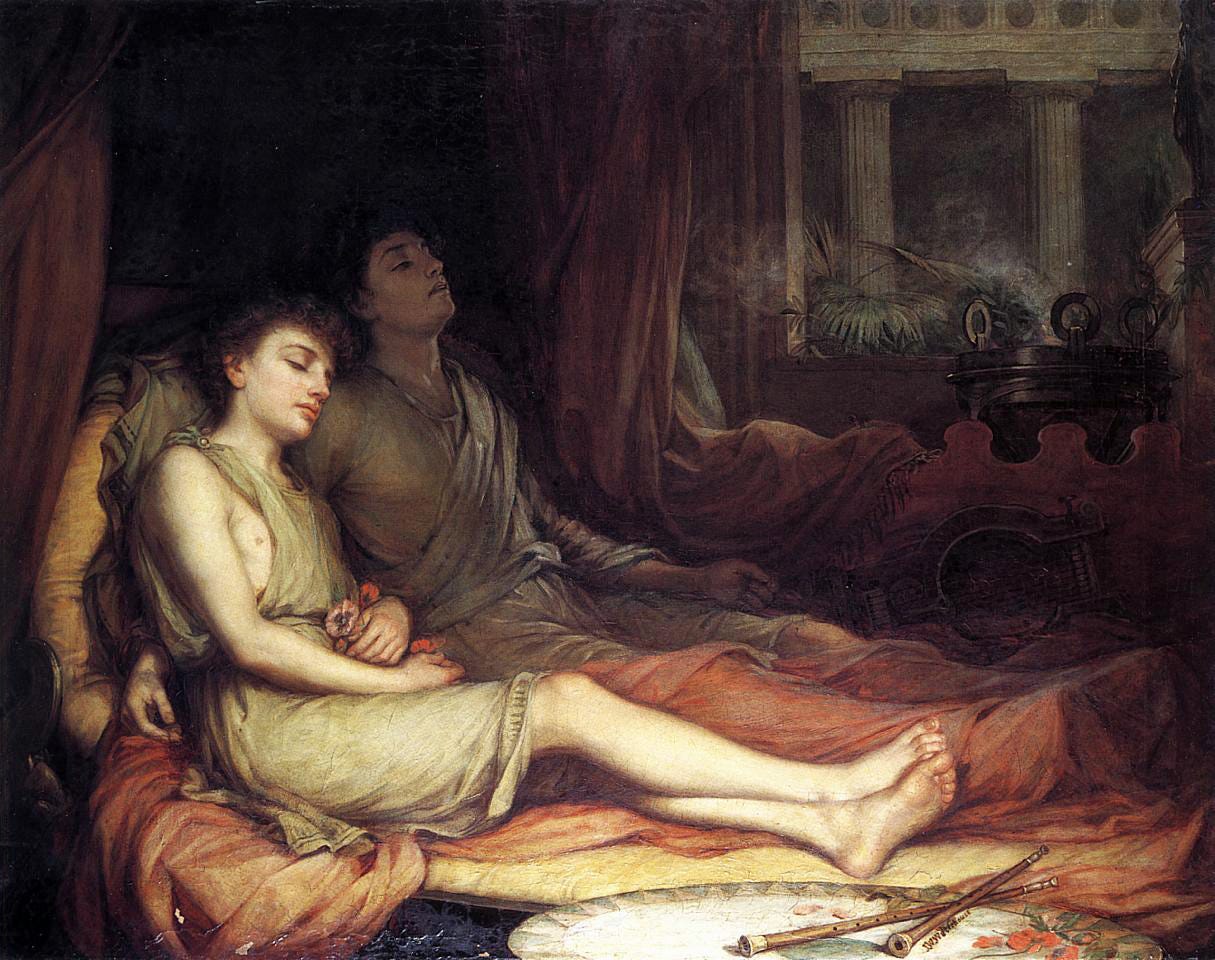
In response to Reason’s pressing, Joy reframes leisure as “welcome repose”. Yet Reason is unconvinced:
REASON: This repose is not the one to be enjoyed without end. Think, therefore, in what sort of repose you take delight.
JOY: I have found welcome repose.
REASON: You say repose. Do you wish to say reclining, or sleep, which certain poets call the brother, and others the image, of death — and very properly so?
Petrarch, De remediis utriusque fortunae, 21
While Reason may initially appear somewhat pedantic, Petrarch is underscoring once again an important distinction. That of ‘rest’ for its own sake compared to ‘rest’ which serves as an opportunity to pursue something else. ‘Rest’, after all, does not actually have a straightforward meaning. If understood as the absence of exertion, then many activities could constitute ‘rest’, from reading to painting. If understood as a synonym for ‘relaxation’, then even physical activities could be classified as ‘rest’, from walking in the countryside to a Sunday drive.
The problem arises, Reason is arguing, when ‘rest’ is taken too literally and understood to mean ‘inactivity’, and therefore when people assume you are ‘resting’ only when you are actually sleeping. Or, approached differently, when the man who has survived an arduous day believes that sleep is the only possible remedy.
Petrarch reminds us that our ancestors considered Sleep to be the brother of Death. Likely he is referring to the poet Virgil, whose Aeneid said precisely this:
“There at the Gate, in the very throat of Hell,
Vengeful care and sullen Grief make their bed,
and pallid Sickness dwells, with sad Old Age,
and Fear, and evil Hunger and vile Need,
forms dread to look upon, with Toil and Death:
then Death’s brother Sleep, and cruel Pleasure of the mind corrupt”
Virgil, Aeneid, VI.384-390
The imagery is clear, and logic too. What unites Sleep and Death is a common withdrawal from the world, what separates them is permanence. Sleep therefore is ‘imperfect’ Death, and the man who treats sleep as a refuge from waking life, rather than a complement to it, is a man who has largely given up on life.
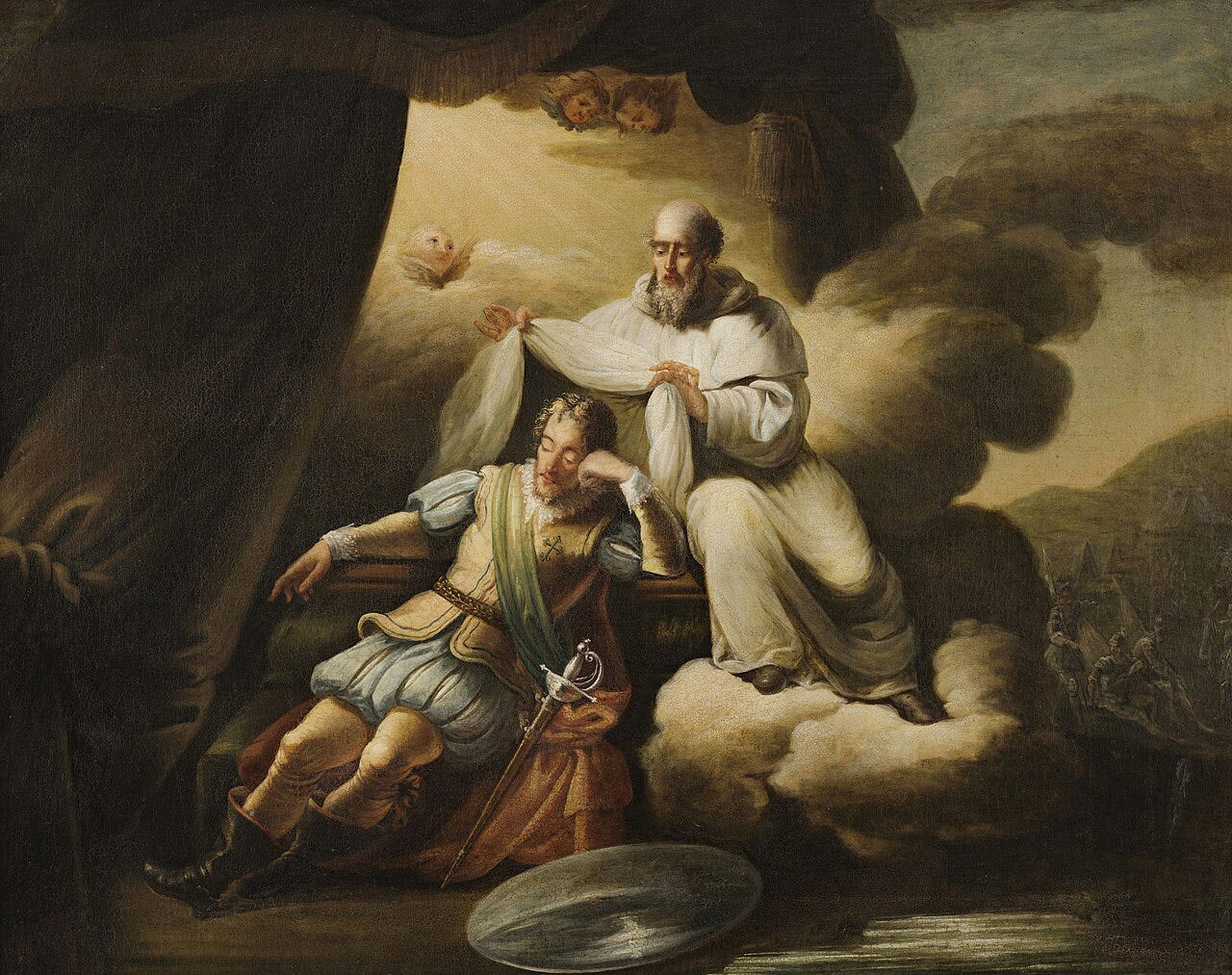
This of course is not to say that you should not sleep. The body obviously needs it, but sleep is rejuvenating the body alone, while keeping the intellect and soul — the elements that actually elevate you from the beasts — in stasis. Unless all three are nourished in life, sleep alone will result in a net loss.
Besides, as Petrarch continues, the physical activity of the body is neither here nor there, as a man can just as easily be crippled by anxiety while laying flat on the ground as when he is running:
REASON: The minds of many are at rest although they walk around, yet some who sit or lie down are troubled. Sleep itself, which is called animalium quies — the rest of all living creatures — brings hidden pains and visions, and the wild fury of horrible phantasms — about which that saintly man who was afflicted complained when he addressed God in familiar terms.
JOY: I recline restfully in my bedroom.
REASON: Who, I ask you, do you think rested more sweetly — Vatia in his country seat, or Scipio fighting the enemy in Africa, Cato fighting the snakes, or Regulus fighting both? There is no repose without joy, nor can there be true joy without virtue.
Petrarch, De remediis utriusque fortunae, 21
Reason offers the intriguing counter that a man who is more physically active is actually more likely to experience wholesome rest than his idle counterpart. The first example Petrarch cites, Servilius Vatia, was a man who on paper had it all. But withdrawn on his estate on Capri, cut off from the world, he was “famous for his wasted opportunity, buried rather than living within the walls of his country house” (Petrarch, De Vita Solitaria, I.376). Unable to find meaningful purpose during his days, ‘leisure’ was empty and achieved nothing beyond hurrying him towards Death.
Scipio, Cato and Regulus, however, who each served their country actively, could go to bed at night satisfied that they had achieved something. Sleep was a genuine ‘time out’ from something worthwhile. “There is no repose without joy, nor can there be true joy without virtue”.
So what does Petrarch propose we do? How can we start making our leisure and rest work for us, instead of against us?
His answer is surprisingly straightforward, and one that ironically many university students today will surely have realised when faced with an imminent deadline…
