
How Venice Gained Her Soul
In her more modest days, Venice aspired to greatness. In AD 828, she seized it...

For a nation to be united, or even exist at all, it must be built upon a robust and clearly defined national identity. Invariably, said identity is only as strong as the national story which binds it together.
Ideally, said story will be as triumphant as it is non-partisan. It will speak of an unambiguous act of heroism, which touches the most basic common denominator of all citizens of said nation. A strong story will be both transcendent, and highly local. The Greeks of course had the Siege of Troy, and so too the Romans, through the monarchy of Romulus and the line of the Alban kings.
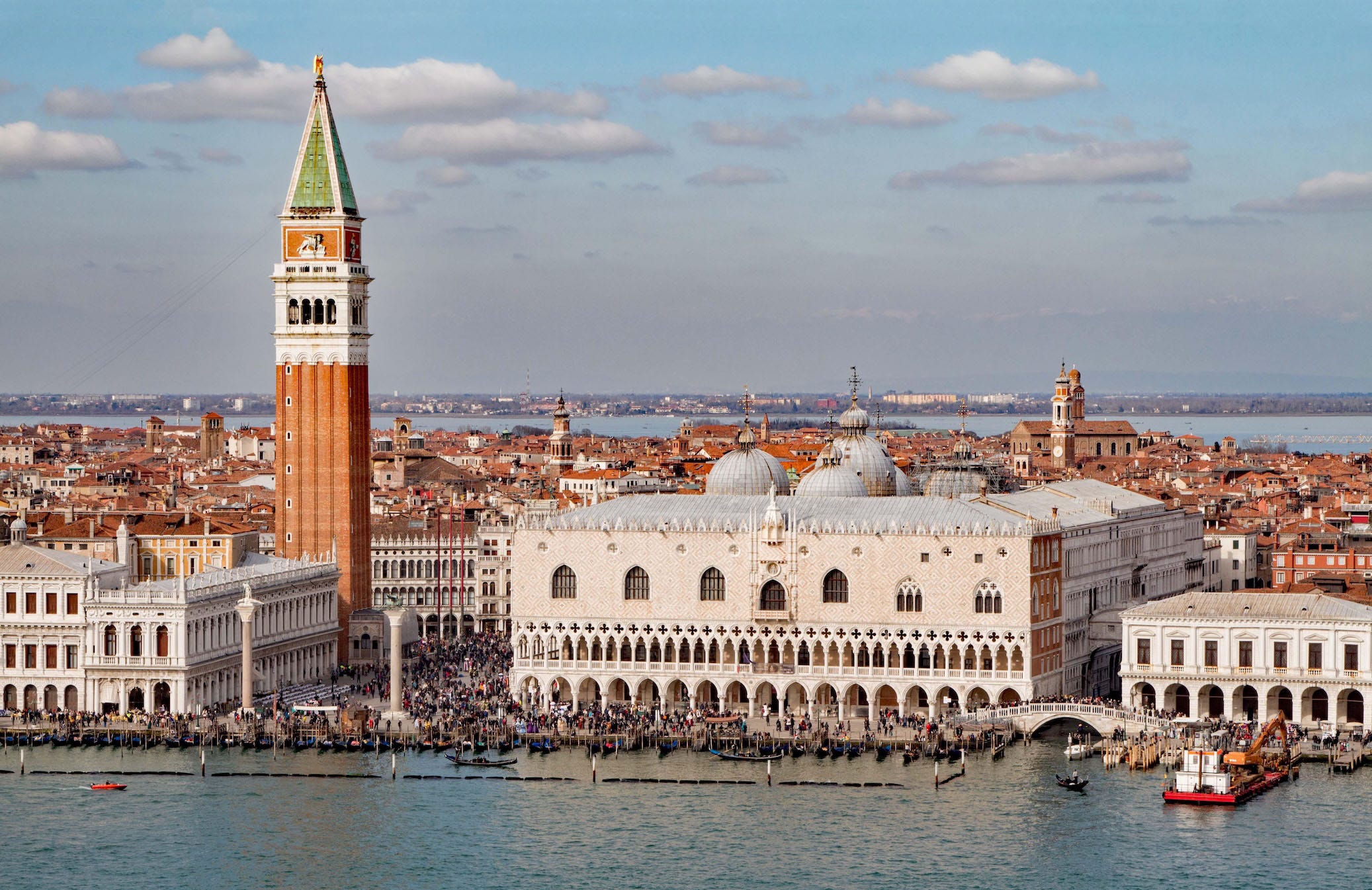
In the Christian era, however, there have been few national stories more wildly successful at defining a people than that of Venice. Even today, over two hundred years since the Venetian Republic lost her independence, the proud symbol of the City of Canals flutters from innumerable windows and flagpoles, and nearly every possible vista in the city includes at least one instance of it: the Lion of Saint Mark the Evangelist, whose holy relics are interred under the world famous basilica which bears his name.
Yet Venice did not merely inherit her patron saint. In January AD 828, two patriotic Venetians gave their national story an inspiring chapter by defying the law and setting sail on a daring operation to extract the body of Saint Mark from Islamic Egypt.
Today, we explore how they did it, and how all it takes is a little initiative, cunning and a tactical disregard for rules to serve your faith and your country…
But first — we’re going to Italy!
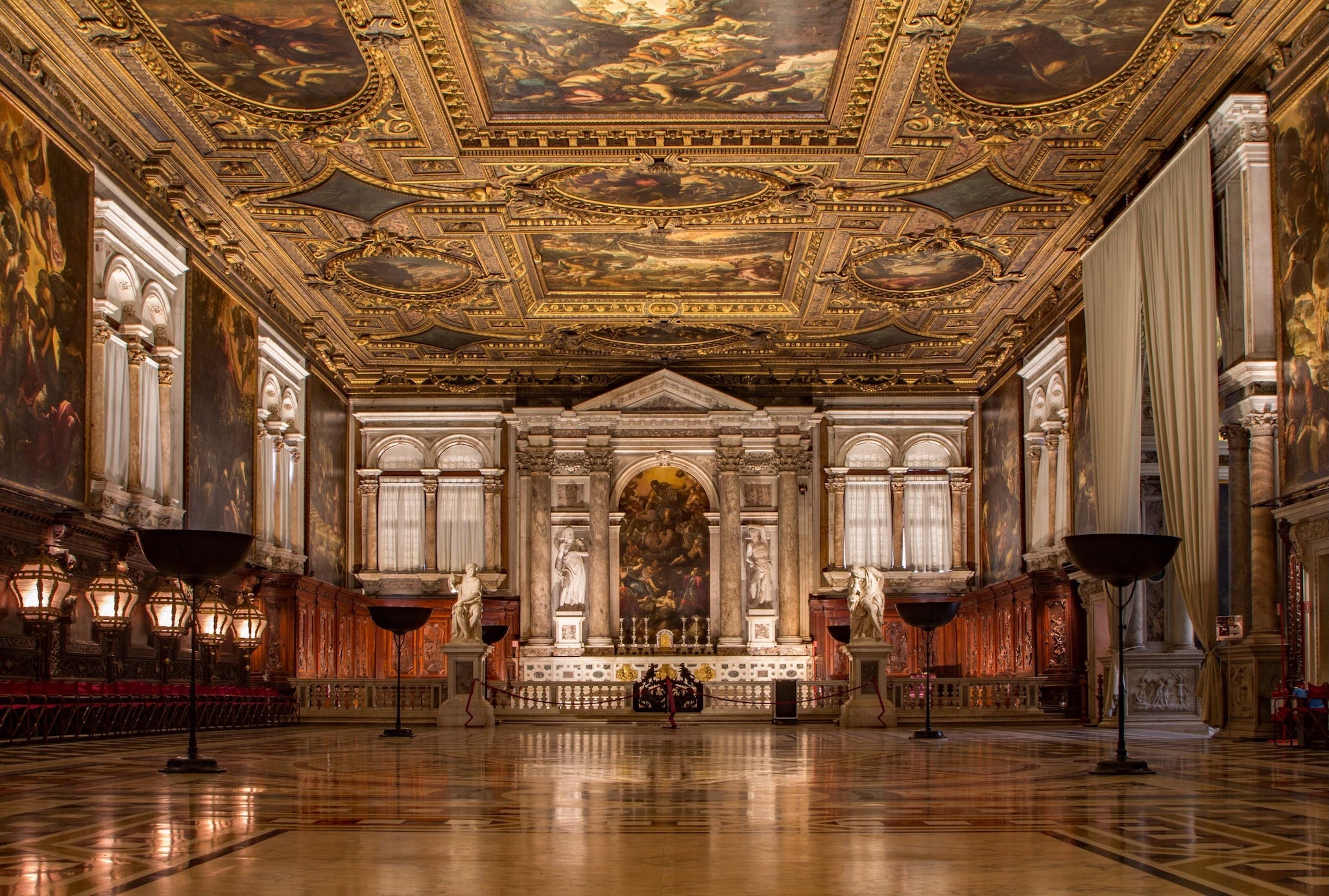
This coming May, we’re hosting two exciting retreats to Bergamo and Venice. To learn more and apply to join us, click the button below:
Now, back to the article…
The Need for a Saint
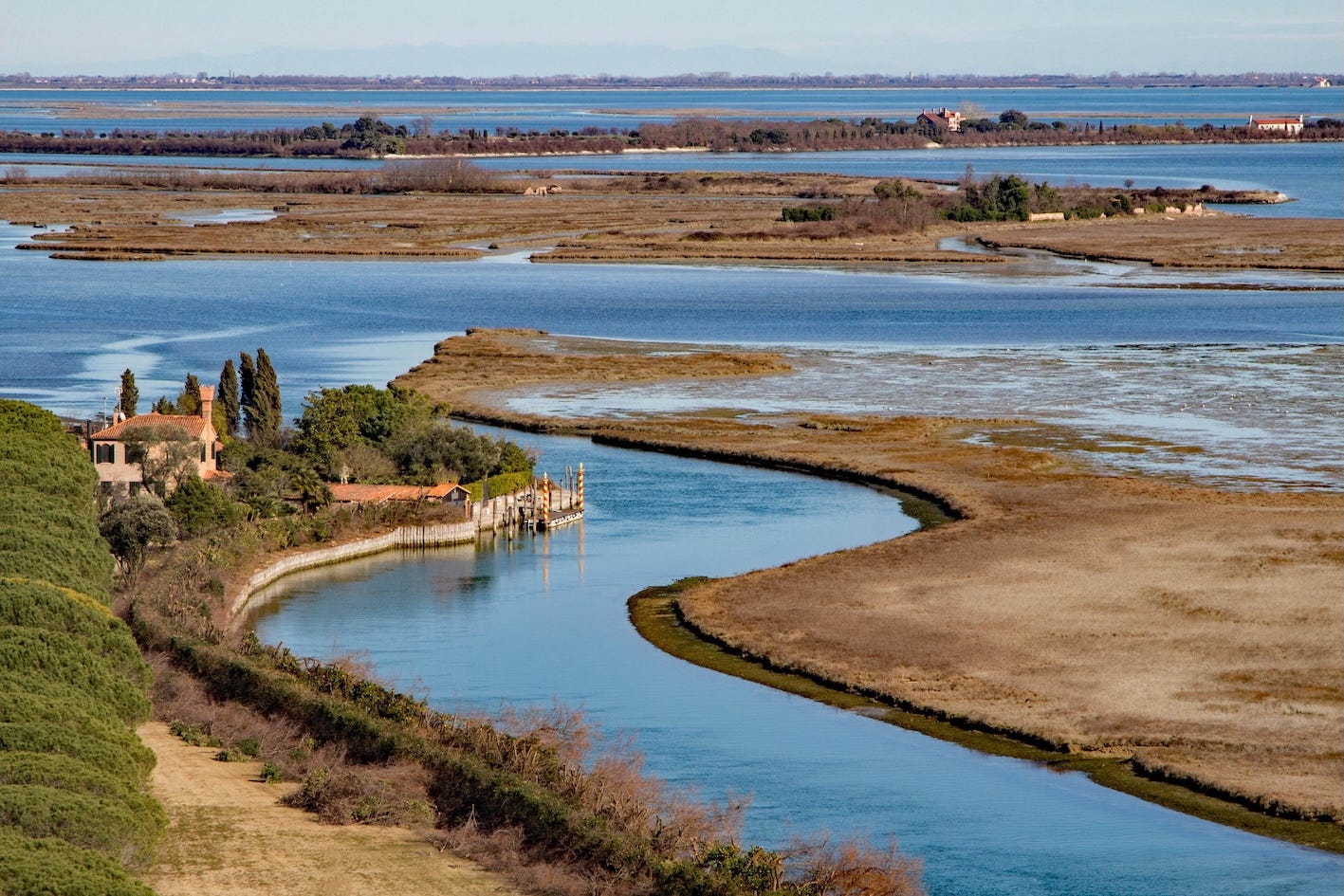
Of the great cities of Italy, Venice is unique for one fundamental reason. She is the only one that was not founded by the Romans. Throughout the entirety of Classical Antiquity, the Venetian Lagoon was a barren and malarial no-man’s land.
Ironically, it was precisely this inhospitability that birthed Venice, for when the hordes of Attila the Hun ravaged the city of Aquileia in AD 452, the desperate refugees sought sanctuary in the desolate Lagoon, knowing they would not be followed. Over the centuries which followed, the descendants of these exiles adapted to the harsh conditions, and would make of them a Heaven from Hell. In AD 811, the boldest step yet would be made when their seat of government was transferred to the islands at the very heart of the Lagoon. There, upon the rivo alto (‘upper shore’), or Rialto as it would one day be known, the first stones of the city of Venice were laid.
Yet while building a city out of nothing brought with it great freedom, it also posed a dilemma. Without the prestige of an ancient past, Venice lacked roots. Above all, in an era when pilgrimage was just as critical as commerce to the wealth of nations, she lacked significant Christian patronage.
Florence had Saint John the Baptist. Rome had Saint Peter himself. Venice, however, could count only upon Saint Theodore of Amasea, a decidedly second tier saint. What was more, as a subject to the Emperor in Constantinople, and therefore politically aligned to the East, how could Venice possibly compete with the great urban centres of the West?
Yet among those early Venetians were those who believed they could claim someone greater, someone who could rival even the Apostles themselves…
Divine Sanction
There is an ancient legend that every Venetian hears as a child. It is the story of Saint Mark the Evangelist, author of the Gospel which bears his name, and his wanderings.
It was said that in the days when Saint Peter was tending his nascent flock in Rome, he saw in his companion Mark an inspiring devotion. Thus did the first Pope dispatch Mark to the north, there to preach the word to the people of the then flourishing city of Aquileia. There he would fish many a soul for Christ, yet his return was troubled.
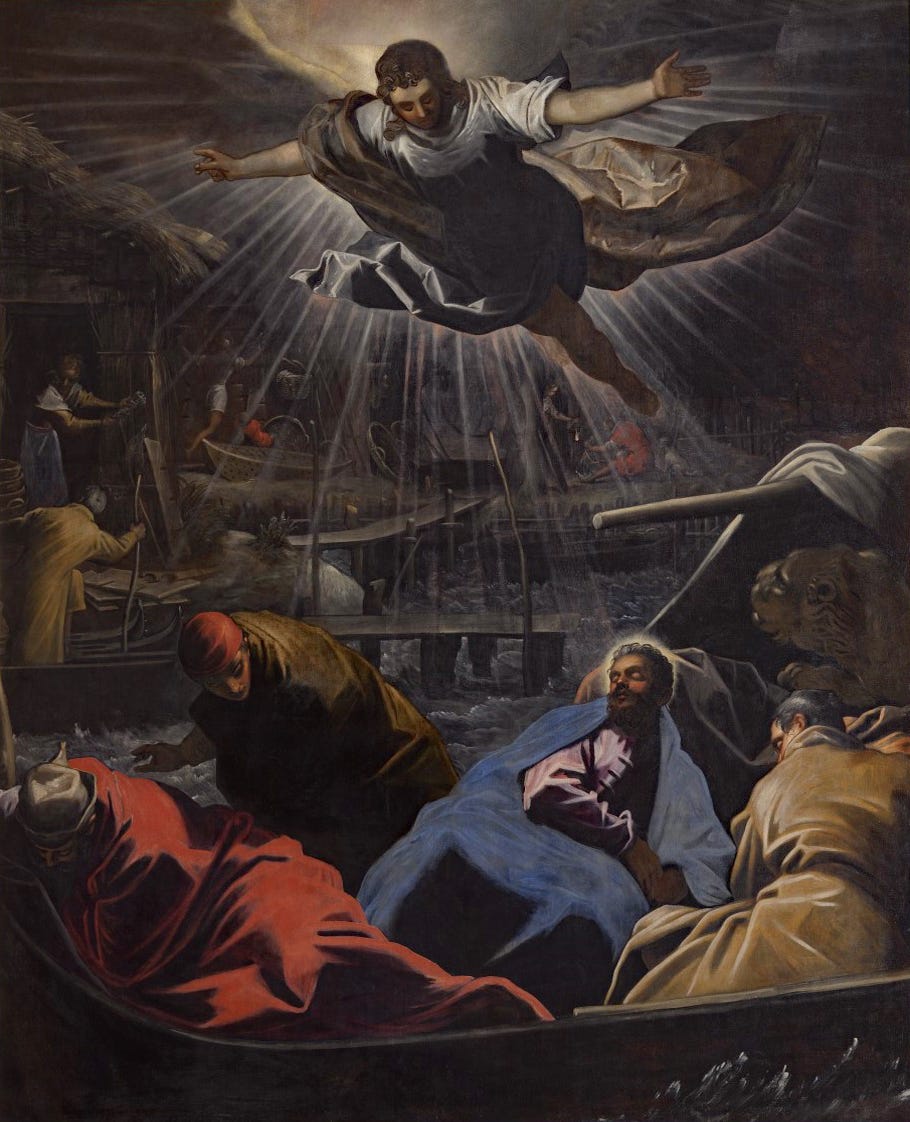
As Mark and Hermagoras, the first Bishop of Aquileia, crossed the waters of what would one day be known as the Venetian Lagoon, a fearsome tempest fell upon them. Fearing death, both men sought refuge aboard at the Rivo Alto, as Mark prayed for deliverance. What happened next would be immortalised in the 14th century Chronica of Andrea Dandolo:
“And in that place an Angel of the Lord appeared to him and spake: Peace be with you, Mark, for here will your body rest. To him, who hesitated that he would suffer shipwreck there, the Angel added: Fear not, Evangelist of God, for a great journey remains for you; and much must you suffer in the name of Christ; but after your martyrdom, the devout and faithful of the surrounding regions, wishing to avoid the frequent persecutions of the infidels, will here build a majestic city; and they will then deserve to have your body; which they will honour with the greatest veneration, and through their merits and prayers shall obtain many blessings”
Andrea Dandolo, Chronica per Extensum Descripta
The pious Mark was moved, yet moved too by divine command, when an apparition of Christ invited him to evangelise the land of Egypt. Thereupon did Mark depart for Cyrene, and Alexandria thereafter. Yet the sway of his word would earn him the wrathful envy of his pagan adversaries, and on the 25th April AD 68, his enemies took advantage of the Easter commotion to ambush the Evangelist at Baucalis.
Their attempts to burn his body, however, would be halted by a great storm that scattered his assassins in fear, while loyal disciples secured his body. Over the centuries that followed, as the pagan world faded and the Christian mission triumphed, the tomb of Saint Mark drew pilgrims from far and wide, even after the fall of Rome in the West.
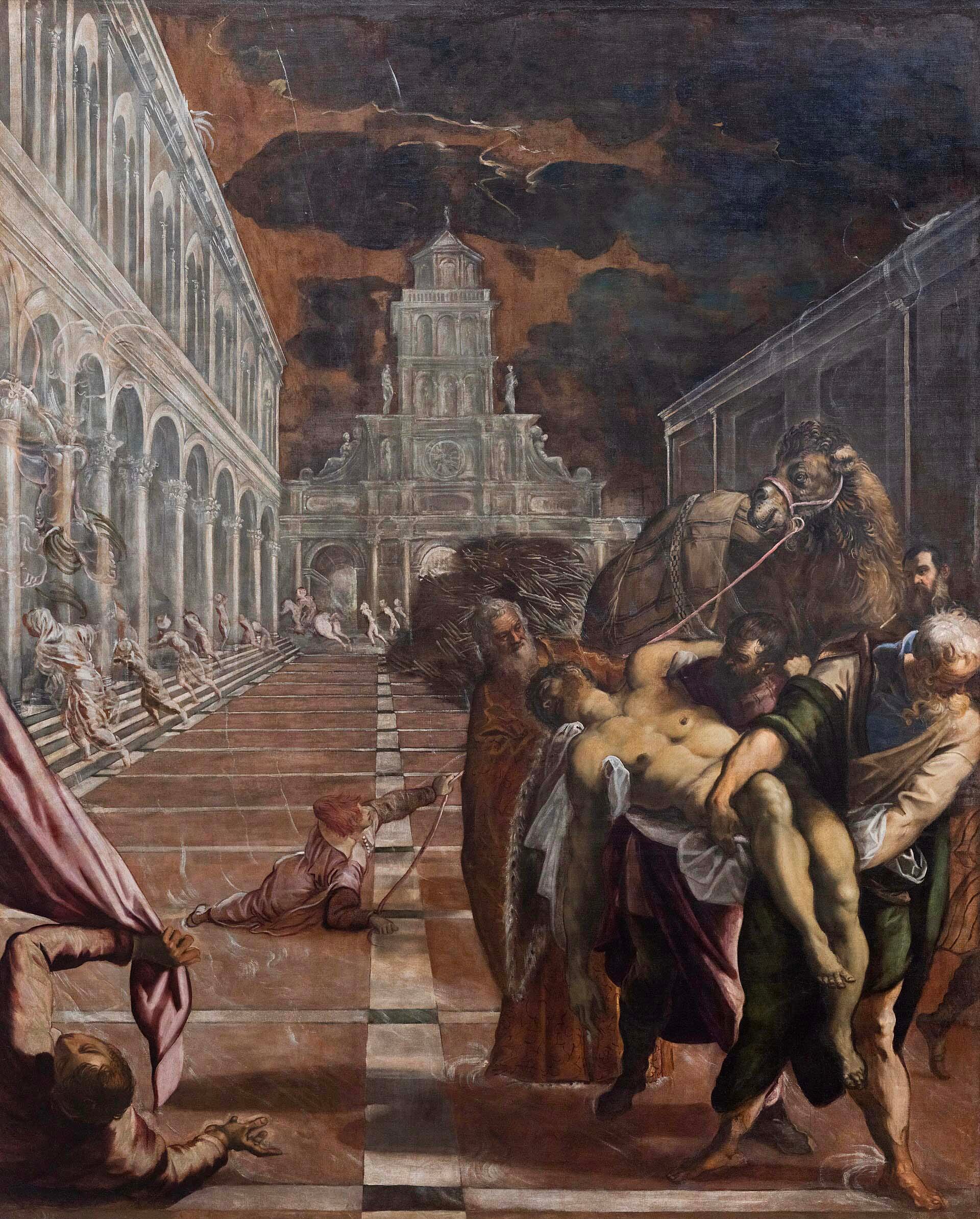
When Egypt fell to the Arabs in AD 642, however, both the remains of the Evangelist and the possibility of their veneration were imperilled. As ever more Roman soil was lost in the East, the situation spiralled, culminating in a decree issued in the 9th century by the Emperor Leo V, banning trade with and travel to occupied Egypt.
For Venice, a subject of the Eastern Roman Empire who had been in the process of establishing extensive business networks in Egypt, this was a double blow. But in AD 828, danger turned to emergency, when word spread that the Abbasid governor in Cairo intended to desecrate the churches of Egypt and pillage their treasures. The resting place of Saint Mark was now directly in the firing line.
The Venetians thus faced the agonising prospect of watching, helplessly, from across the Mediterranean as Christian heritage withered away, and with it any hope of their city achieving greatness.
Were it not for two intrepid Venetians, and their fateful decision, you would likely never have heard of Venice today. What they did next, however, would break the law, and win glory eternal for Christendom, and for Venice…
