
How to Stop Worrying About Everything
Epictetus and the art of managing anxiety...

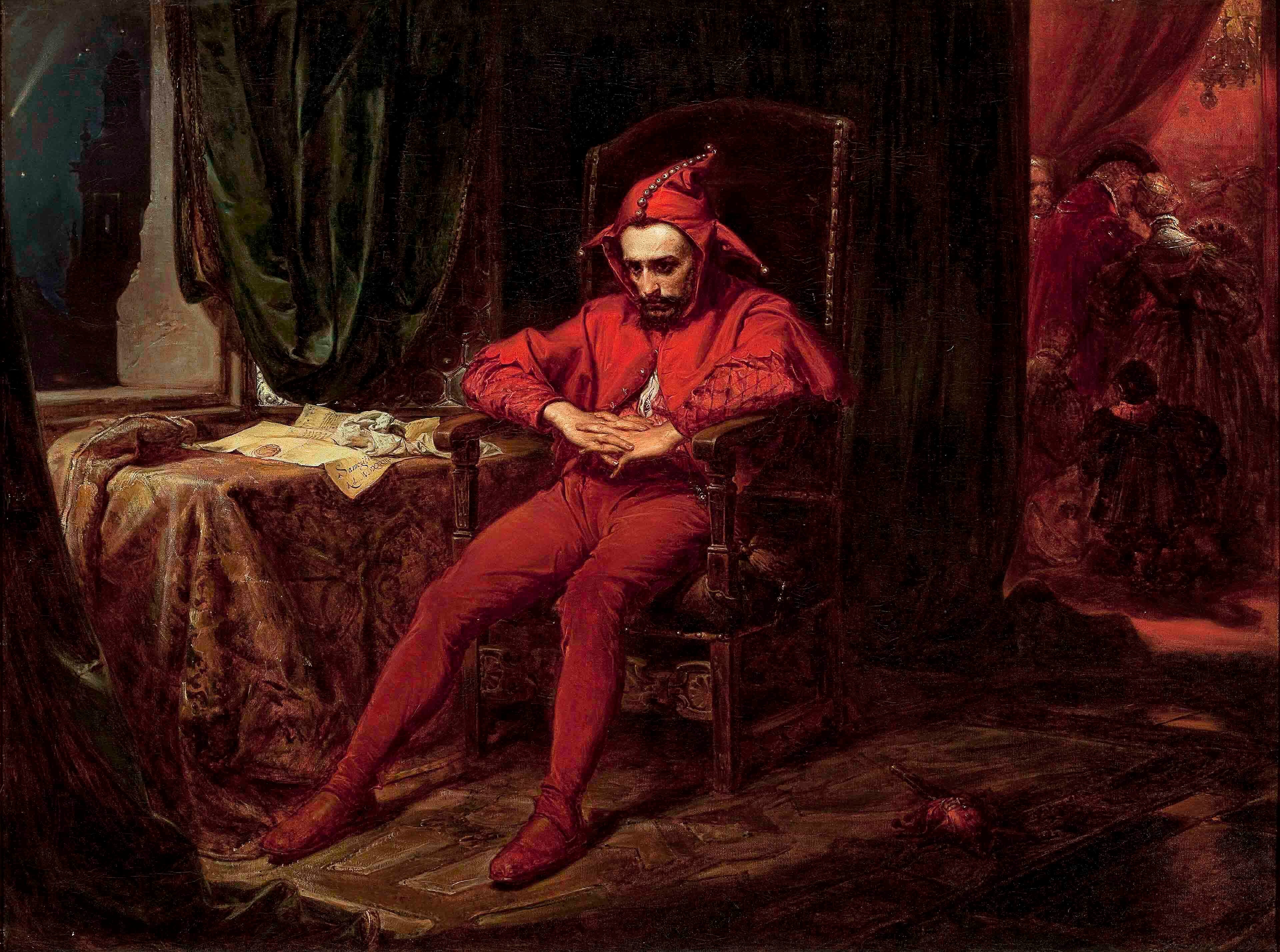
If there is a word which could summarise the spirit of our times, it is quite possibly ‘anxiety’.
It manifests in many ways, from lofty fears of geopolitical crises to everyday doubts over work, family and whether we have taken the right decisions in life. Postwar society, and technological innovations masquerading as advances, have of course done much to make anxiety more common, and more draining.
But as the sources of our anxiety grow more artificial, have we taken too much of the bait? Has societal conditioning swindled us out of our energy, and left us worrying about things unnecessarily?
One man who answered these questions with confidence and advice, as far back as the 1st century AD, was the Stoic philosopher Epictetus. More than anything else, Epictetus liked to debate with his students about what is and what is not under our control, and therefore what is worth worrying about. One of his lectures, appropriately titled That We Ought Not to be Affected by Things Not in our Power, was virtually predestined for the anxious modern Man.
Today therefore, we explore how Epictetus can help you identify what is and what is not worth worrying about, and what you can do it about it…
We Are Men, Not Gods
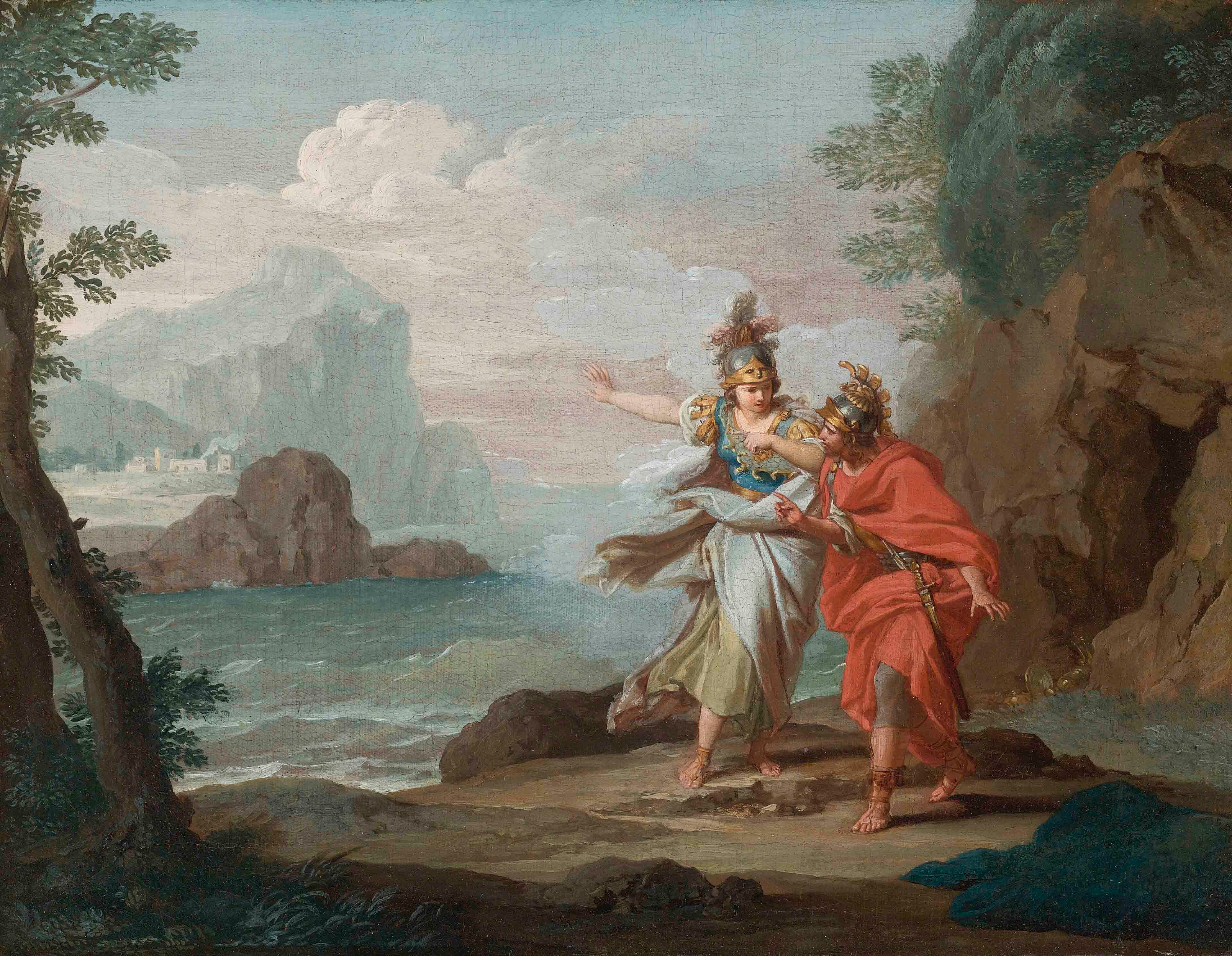
“Of things, some are in our power and others not. In our power are opinion, pursuit, desire, aversion, and, in one word, whatever are our own actions. Not in our power are body, property, reputation, command, and, in one word, whatever are not our own actions”
Epictetus, Enchiridion, I
All the teachings of Epictetus spring from this — that we as humans are not the creators of this world, but we were created to inhabit it. As humans, therefore, we are subject to certain logic and laws that we did not write, we do not control, and which we will not be fully able to comprehend at all times.
However, Epictetus does not mean that we should simply throw up our hands and surrender to misery. He intends that just because something is happening which appears unfair in the moment does not mean it is happening for no reason. On the contrary, such things are central to our lives having any meaning at all. The suffering of discomfort may be a universal human certainty, but how you respond to it is not:
“If a man is unhappy, remember that his unhappiness is his own fault: for God has made all men to be happy, to be free from perturbations. For this purpose he has given means to them, some things to each person as his own, and other things not as his own: some things subject to hindrance and compulsion and deprivation; and these things are not a man’s own: but the things which are not subject to hindrances, are his own; and the nature of good and evil, as it was fit to be done by him who takes care of us and protects us like a father, he has made our own.”
Epictetus, Discourses, XXIV
As his most famous follower in Stoic thought, the Emperor Marcus Aurelius, would later put it, “Nothing happens to anybody which he is not fitted by nature to bear” (Meditations, V.18). If the problem troubling you is man-made, then so too is the solution. If it is not, then it is the business of higher powers. Your energy is wasted worrying about anything that you yourself have no power to influence. Epictetus returns to this point later, and so shall we, but for now he provides a common example of anxiety created by refusing to accept our human nature — worrying about losing others.
A god, by conventional wisdom, is omnipresent. He is everywhere, and can appear to anyone in an instant whenever he pleases. A man of course is not. Our bodies are physical vessels keeping our souls anchored by place and time. But while they are synchronised to a divine nature, since we are mortals we cannot be synchronised to each other in time and place. It is foolish therefore to pretend that we should be:
“You have enjoyed all things in which you took pleasure, as if you would always enjoy them, both places and men and conversation ; and now you sit and weep because you do not see the same persons and do not live in the same places.”
Epictetus, Discourses, XXIV
People are going to enter and depart your ‘anchorage’ in this world, either by birth, death or calling. As a result, worrying about losing somebody in such a manner is an unhealthy anxiety, because you will never have control over this. Moreover, trying to control this is an act of selfish rebellion against the divine order, and one which almost always invites disaster — consider, for example, what the typical outcome is when a parent tries to stifle their child’s dreams indefinitely. There comes a point when you simply have to allow them to go out into the world and learn for themselves.
You are a mortal human, and not an immortal god. If you are worried about something which is an unavoidable consequence of mortality, your human capital is being squandered on a gamble where the house always wins. Similarly, if there is something that you want, be sure that it is actually achievable in the first place, and not a utopic dream:
“To desire then things which are impossible is to have a slavish character, and is foolish: it is the part of a stranger, of a man who fights against God in the only way that he can, by his opinions.”
Epictetus, Discourses, XXIV
No matter what you achieve, therefore, mortal life will always be imperfect. So how do we deal with its ‘imperfections’?
Life is Warfare
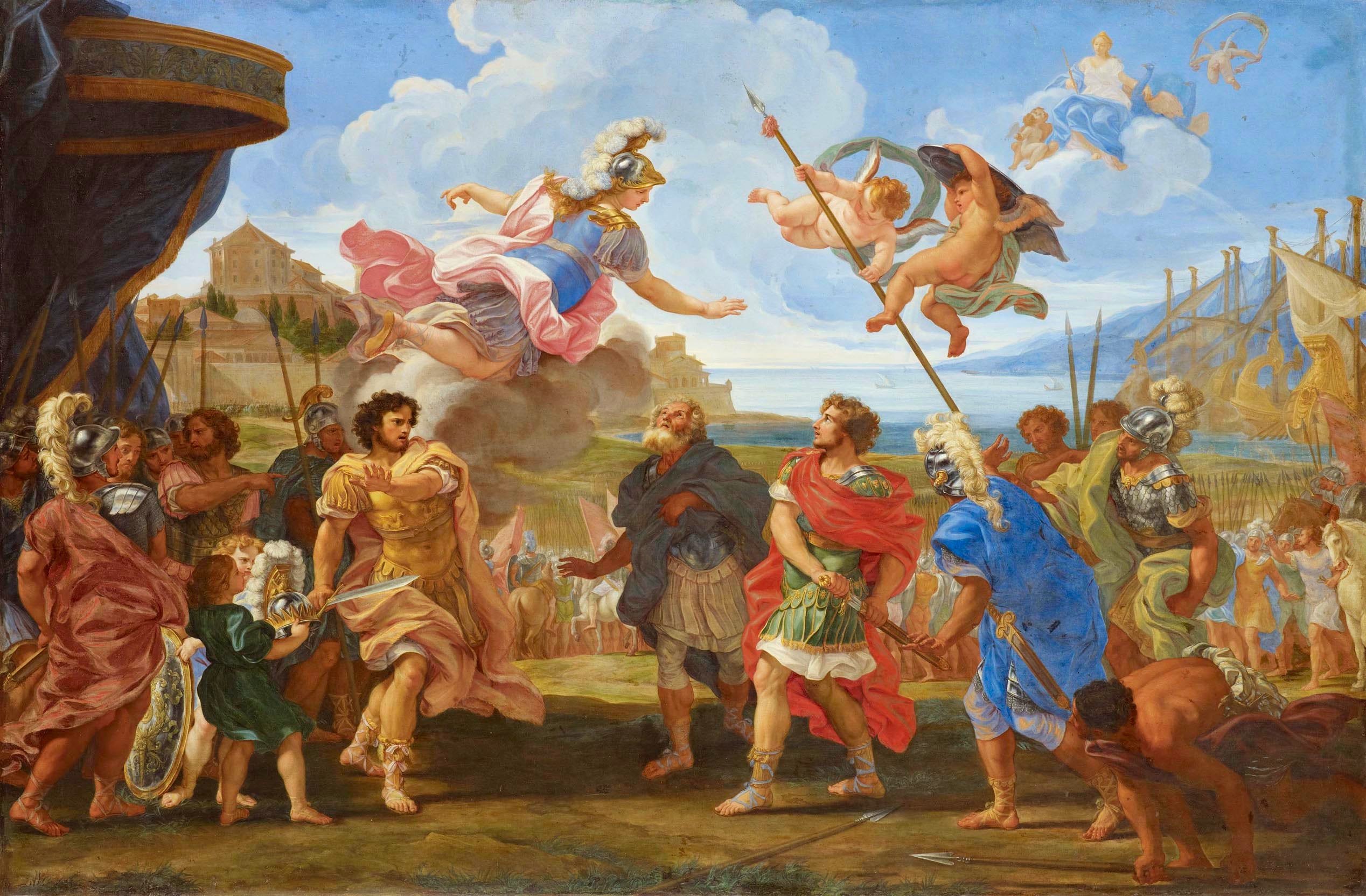
Mortal life is defined by two struggles. The one we face as individuals, and the second that our civilisation as a whole confronts. Advances in civilisation, however, are generally the collective result of many individual struggles. As Epictetus puts it, life on Earth is warfare, and each of us are soldiers:
“Do you not know that human life is a warfare? that one man must keep watch, another must go out as a spy, and a third must fight?... But you neglecting to do the commands of the general complain when any thing more hard than usual is imposed on you, and you do not observe what you make the army become as far as it is in your power; that if all imitate you, no man will dig a trench, no man will put a rampart round, nor keep watch, nor expose himself to danger, but will appear to be useless for the purposes of an army.”
Epictetus, Discourses, XXIV
Every time an obstacle is set before you, the general is sounding the battle horn. You may not be aware of the general’s overall strategy, but to reject the call of duty and languish in the tent, bemoaning your plight as Achilles did for a time at Troy, is doubly injurious. Abandoning post in the hope that somebody else will take over from you does nothing for you or for the war effort. It needlessly prolongs the conflict, and prevents fellow soldiers from fulfilling their own duties.
Our anxieties are virtually always caused by a source of stress we are trying in vain to forget about. But if an enemy is lurking outside the tent, and you hide stubbornly inside, he will always dictate the terms of your liberty. Emerge, however, and you may just win it back. Everything pleasant in life is won through toil, and the man who will not till the Earth will never see the harvest.
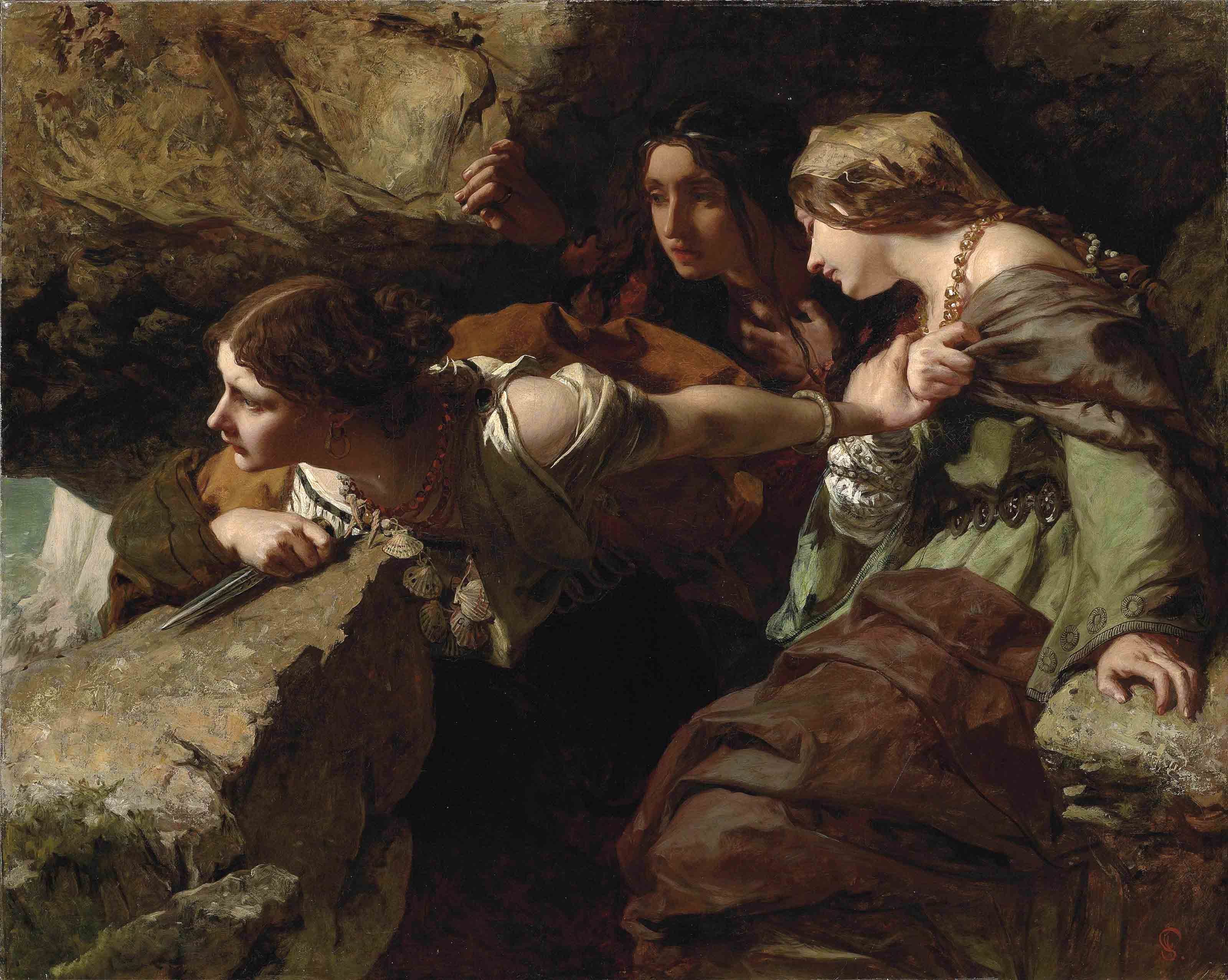
The more wholesome counter-thought, as Epictetus reminds us, is that “no human creature is an orphan, but that there is a father who always, and without intermission, takes care of all”. God he implies, like a good father, does not force us to be one way or another, but presents us with chances to grow through battles such as these. View life as a war, and even the most mundane of struggles as a skirmish in that war. Whether that be in facing a difficult meeting, preparing to speak publicly or wrestling with frustrating bureaucracy, remember that the general is watching — make him proud.
Warfare, of course, is psychological as much as it is kinetic. The enemy will often try to appear strong where he is weak. So too our worries are often the result of deception, leading us to overestimate the real strength of their source. The general, however, assigned you this task because he knows there is nothing you will face that you have not been trained for. He knows that the task is far less terrifying in reality than it might initially appear to you, and that ‘Well that wasn’t so bad’ is going to pass your lips once you have done it:
“Study therefore to be able to say to every harsh appearance, ‘You are but an appearance, and not absolutely the thing you appear to be’. And then examine it by those rules which you have, and first, and chiefly, by this: whether it concerns the things which are in our own power, or those which are not; and, if it concerns anything not in our power, be prepared to say that it is nothing to you.”
Epictetus, Enchiridion, I
That is all well and good, you are likely thinking. Putting on a brave face and saying ‘I can do it’ is one thing, but how do I do it?
Fortunately, Epictetus here turns directly to practical advice on how to overcome our worries, beginning with one simple and reliable solution that continually stares us in the face…
