
Why You Need Purpose
Hesiod, The Matrix, and the oldest advice in the Western world...

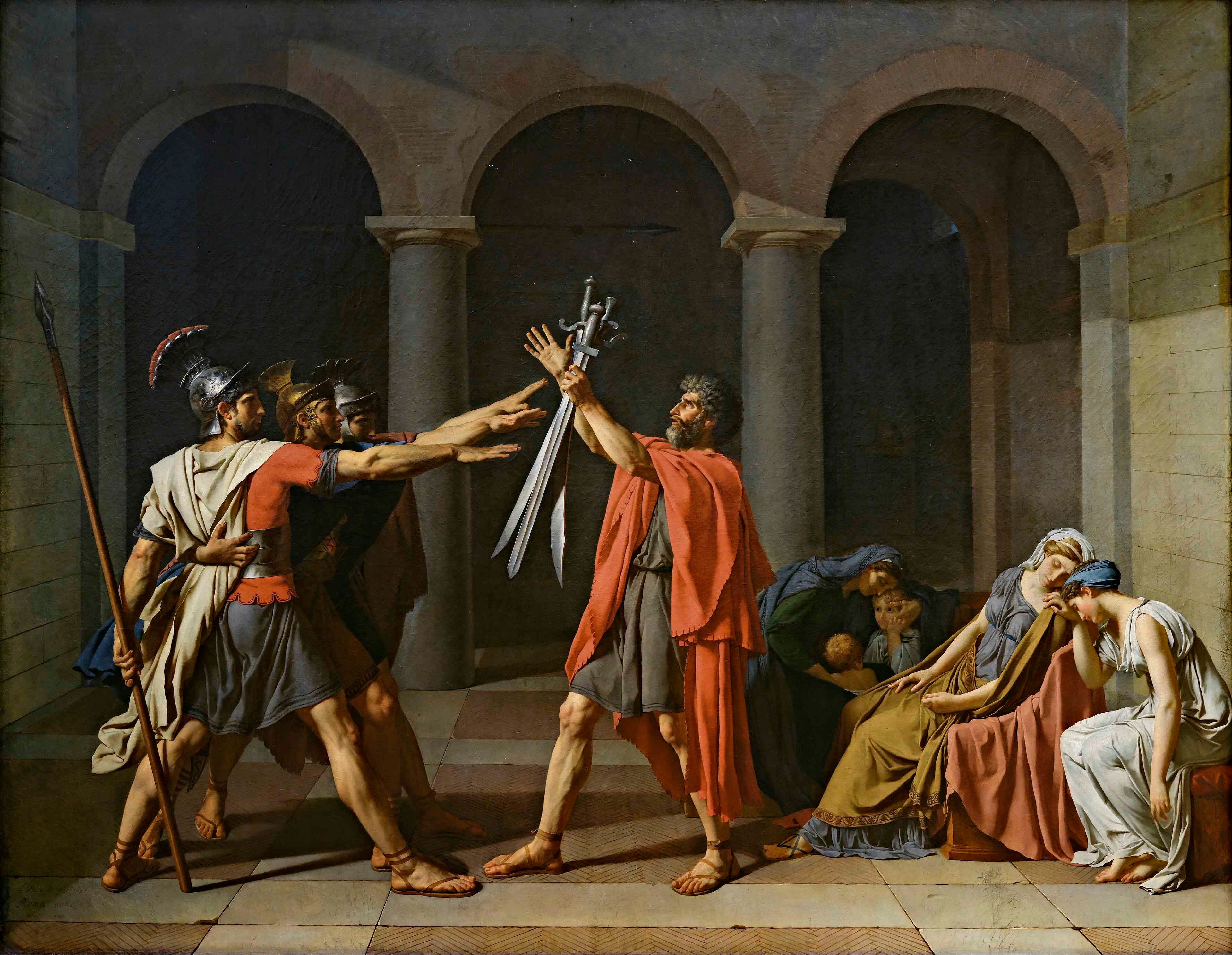
Without food, water or air, a man will die quickly. But without purpose, he is condemned to something worse. The slow death of drifting over living.
There is something quite extraordinary about the fact that this warning was first issued in the oldest surviving text on practical wisdom in the Western world — Hesiod’s Works and Days.
Hesiod, a somewhat gruff yet poetic Greek farmer, wrote the text sometime in the 8th century BC as advice to his wayward brother Perses, urging him to bring real purpose to his life. So timeless was this ancient advice that two core elements of Works and Days were re-presented in one of the most popular cinema franchises of modern times — The Matrix.
So in a special piece today, we explore what Hesiod’s original words, and their echoes in two scenes of the Matrix films, can teach you about the importance of finding purpose, and why an easy life can actually be the death of you…
It is Purpose That Drives Us
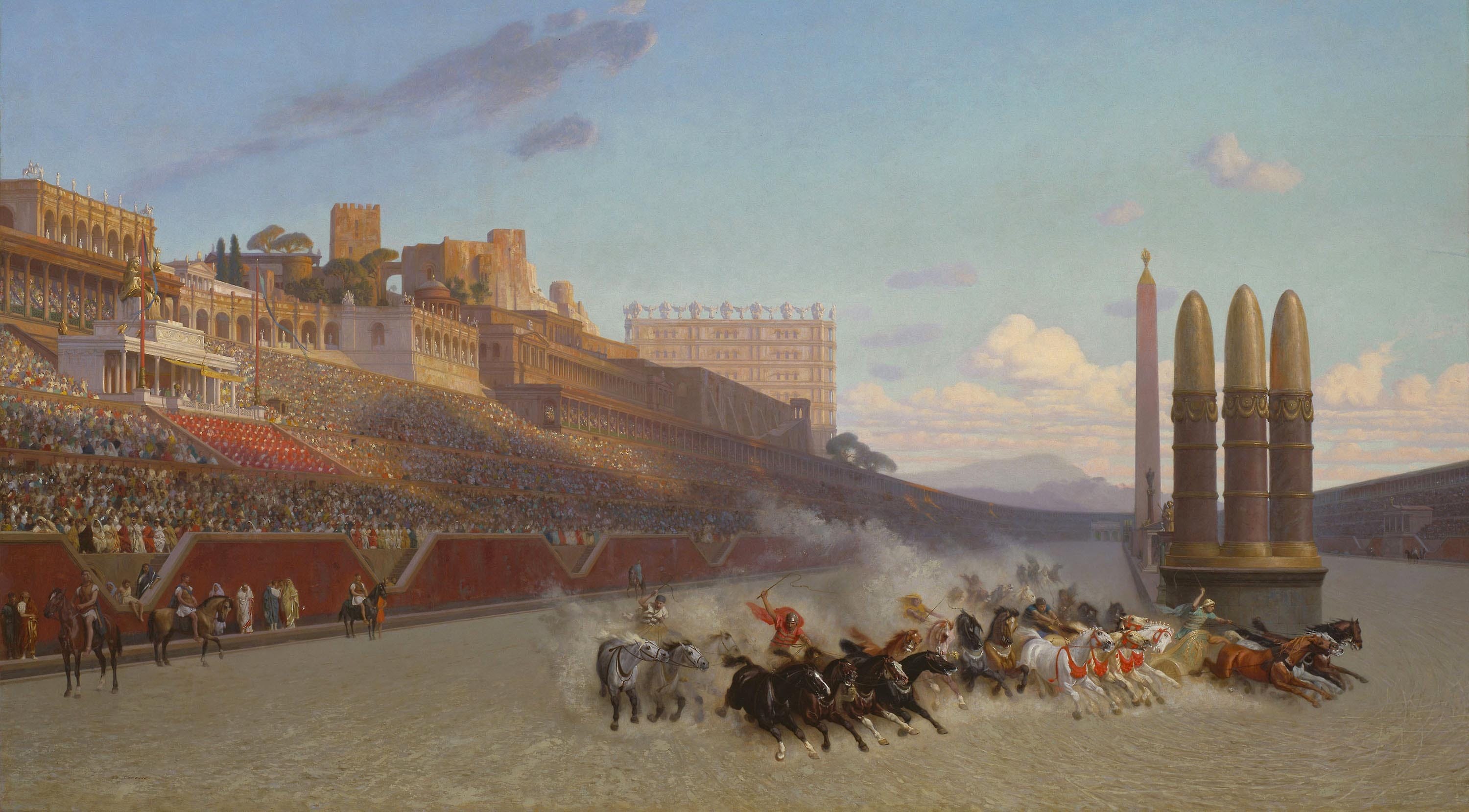
What makes Works and Days so charming is that while it is a piece of epic poetry, it was written by one man simply to chastise his brother for idleness. That said, ‘idleness’ would however be an oversimplification.
What truly rankled Hesiod was his brother trying to profit from the work of others, and enjoy wealth he had not earned through honest means. Caught up in a legal dispute over inheritance, Hesiod implies that Perses has developed an unhealthy taste for litigation, using the “wrangles of the court-house” to “raise disputes and strive to get another's goods”. Hesiod therefore wrote Works and Days to explain to his brother — via epic mythology — why a man can never enjoy a life that is not anchored by healthy purpose.
As was traditional of ancient moral works, Hesiod first considers what not to do, or in this case, misdirected purpose. He introduces this however with the rather profound suggestion that a certain level of darkness is needed to keep men in the light. There are two forms of Strife in this world, he recounts. The first is cruel, and drives men to war and fruitless aggression. But the second is a necessary evil:
“But the other is the elder daughter of dark Night, and the son of Cronos who sits above and dwells in the aether, set her in the roots of the earth: and she is far kinder to men. She stirs up even the shiftless to toil; for a man grows eager to work when he considers his neighbour, a rich man who hastens to plough and plant and put his house in good order; and neighbour vies with his neighbour as he hurries after wealth. This Strife is wholesome for men. And potter is angry with potter, and craftsman with craftsman, and beggar is jealous of beggar, and minstrel of minstrel”
Hesiod, Works and Days, 17-27
The spirit of competition, therefore, can be wholesome if it inspires us to better ourselves. It is destructive, on the other hand, if it drives us to feed the first form of Strife, and attempt to bypass our own labour by actively sabotaging others.
Hesiod develops this mythologically by recounting the story of the Titan Prometheus, who stole the arcane knowledge of the gods and shared it with Man, teaching them the secret of fire. The wrath of Zeus, King of the Gods, was then unleashed upon Prometheus for handing Man a gift it had not earned for itself, artificially elevating mortal civilisation through the theft of divine wisdom:
“For the gods keep hidden from men the means of life. Else you would easily do work enough in a day to supply you for a full year even without working; soon would you put away your rudder over the smoke, and the fields worked by ox and sturdy mule would run to waste”
Hesiod, Works and Days, 46-49
The crime of Prometheus, then, was corrupting men into seeing their purpose strictly in terms of achieving ends, rather than embracing the means.
Interestingly, the core sentiment of the opening of Works and Days is evoked in a pivotal scene of the second film of the Matrix trilogy, and indeed in some of its most frequently quoted dialogue…
It is Purpose that Defines Us
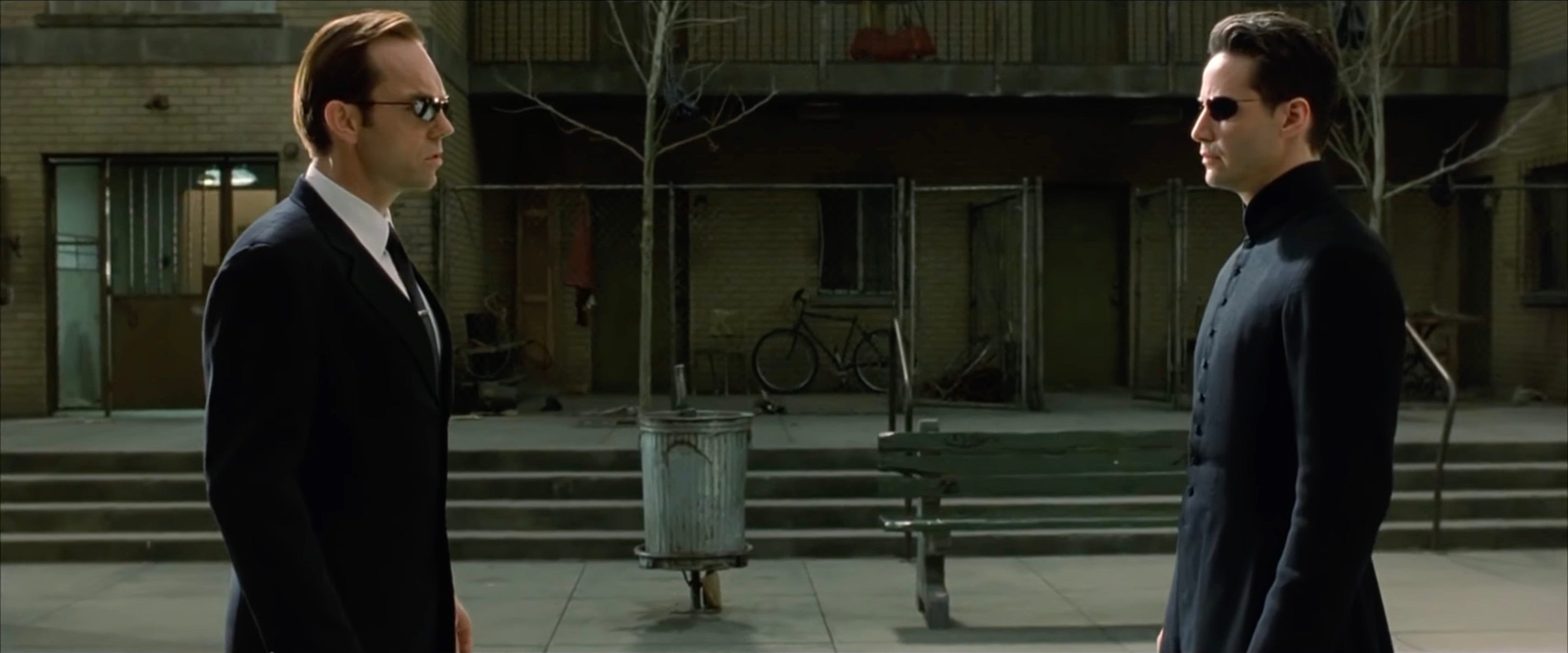
The scene in question forms the first major confrontation between the hero and the most immediate villain of The Matrix Reloaded. Our hero is Neo, a man who has learned that the entire world he knew was in fact an artificial computer simulation, designed to blind Man from the truth — that Machine is master of Man, not the other way round.
Opposing him is Smith, a sentient computer program within that simulation created to stop humans, with lethal force if necessary, from learning this truth. As an agent of the system, Smith had therefore been an agent of the first form of Hesiod’s Strife. Uncaring, unthinking violence directed against Man purely for the purpose of suppressing him.
Only there is a complication. Smith was an agent of the system, but since Neo ‘destroyed’ his ‘body’ in the climax of the first film, he is no longer bound by his former programming constraints. The ‘purpose’ that the Machines had originally built into him was wiped, so he now finds himself in the world, “apparently free”.
The tension of the scene builds as Smith seems as if he is about to thank Neo for ‘liberating him’ from his preordained purpose. Since both have now been freed from their own form of chains, this could have been a reconciliation between former foes. Yet it rapidly becomes clear that Smith is not in fact grateful for what has happened:
AGENT SMITH:
”We’re not here because we’re free; we’re here because we’re not free. There’s no escaping reason, no denying purpose, for as we both know, without purpose we would not exist.
It is purpose that created us, purpose that connects us, purpose that pulls us, that guides us, that drives us; it is purpose that defines, purpose that binds us”
Taken from the screenplay of The Matrix Reloaded, Warner Bros. Pictures, 2003
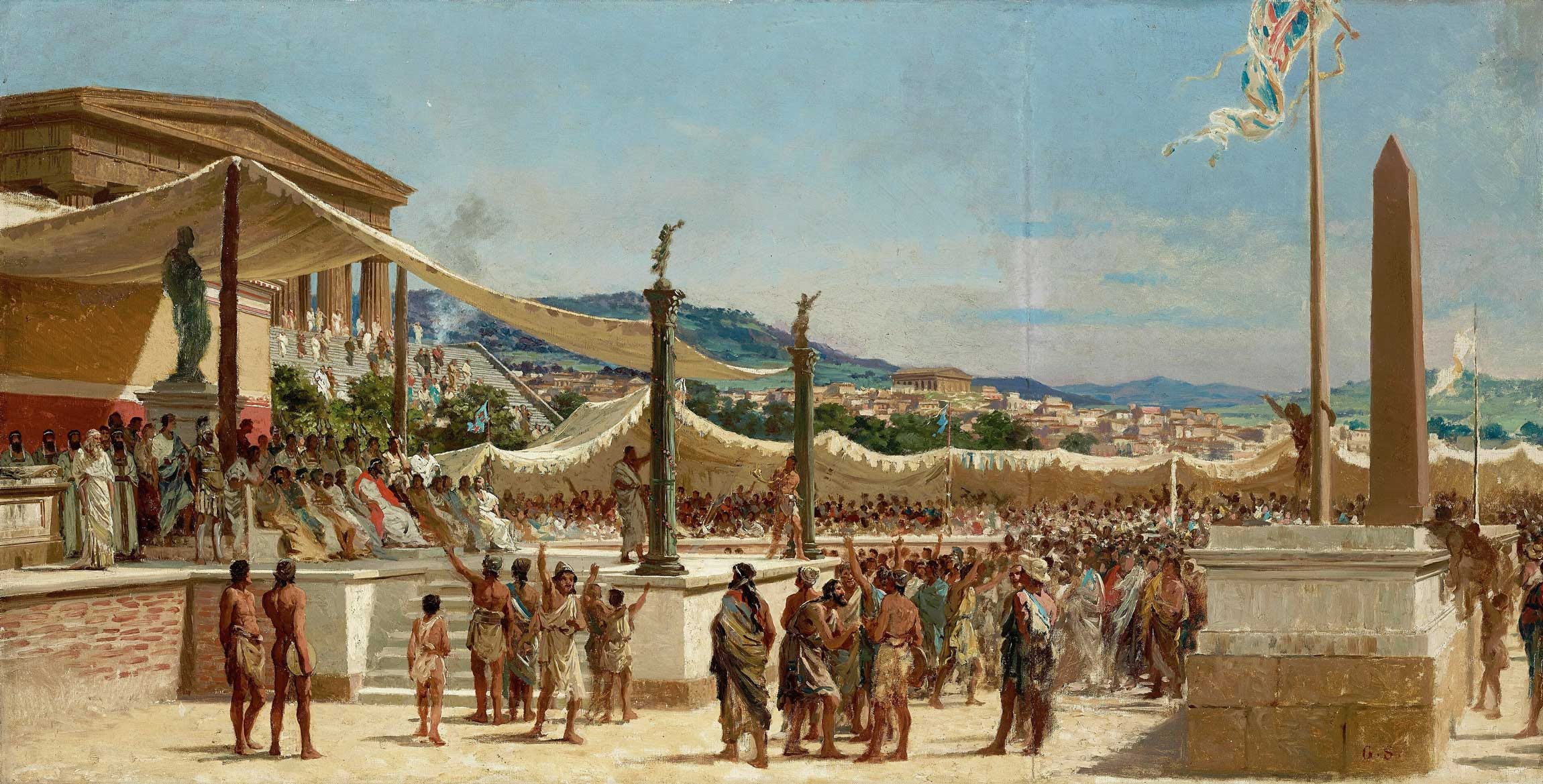
Smith correctly identifies that purpose is central to being. In the first film, Neo had also identified this. What separates them however is how both characters respond to this revelation. Neo realised that to simply return to his former life of unfulfilment was unthinkable, not least as it was an illusory and listless life of servitude. His hero’s journey was his learning and accepting that he was instead called to a higher purpose, and that turning his back on this would betray his proper calling, his friends and broader Mankind itself.
Smith, however, regresses. He does not understand that he now has a choice. He does not have to be an agent of the First Strife any more. From his former conflict with Neo, Smith could have drawn upon the Second Strife, and forged his own new purpose. But he does not. He alas embraces the path that Hesiod warns about, as revealed by his last words before the duel begins:
AGENT SMITH:
”We are here because of you, Mr. Anderson. We’re here to take from you what you tried to take from us... Purpose!”
Taken from the screenplay of The Matrix Reloaded, Warner Bros. Pictures, 2003
Refusing to embark on his own journey, he seeks consolation not through a constructive new purpose, but through sabotaging Neo’s. He turns his back on redemption and his crimes spiral, as he proceeds to systematically sabotage the entire world of the Matrix. By hijacking and assimilating all humans and programs connected to it, he forcibly acquires knowledge and abilities he has not earned — and therefore does not understand — until he is a nihilistic abomination that Mankind and the Machines unite to destroy.
Trimmed of the glamour of cinema and epic poetry therefore, both Hesiod and the Matrix emphasise that misdirected purpose is a road to unfulfilment and misery, both for yourself and those around you.
So what is properly directed purpose, and why is happiness impossible without it?
Fortunately Hesiod has the answer in the most famous passage of Works and Days, which another scene in the first Matrix film repackaged almost exactly…
