
The Secrets of Elegance
Are you chasing elegance, or luxury?

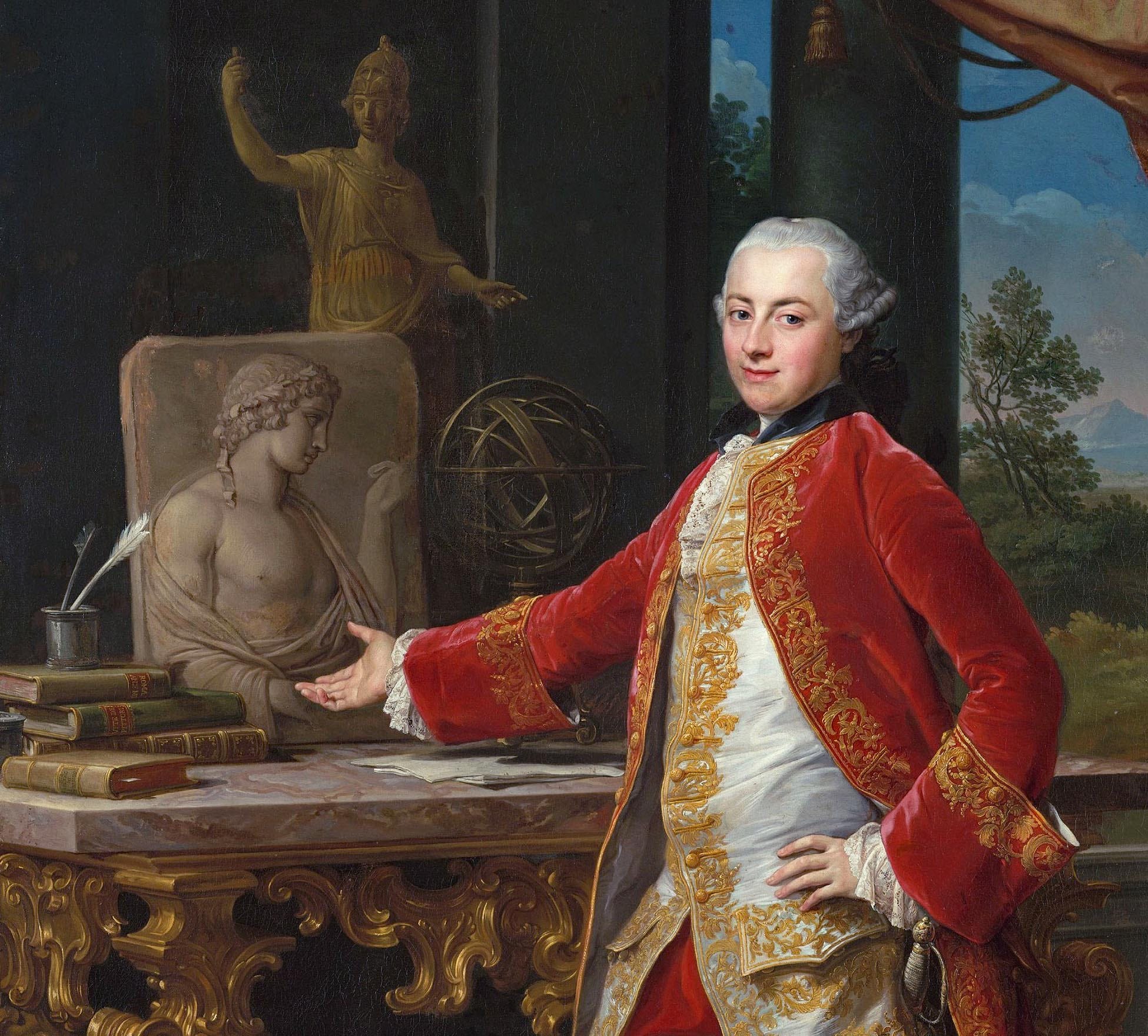
“Good has but one style, evil a thousand”
Honoré de Balzac, A Treatise on Elegant Living, II.4
It is a common error among the ambitious, or the self-conscious, to confuse elegance for luxury.
To assume that what looks expensive must look good, and conclude therefore that in order to look good, we must spend extravagantly. On the other hand, there are those who are fearful of their own status, and exaggerate roughness through language or clothing to signal that they are ‘one of the people’.
We all know tackiness or scruffiness when we see it, but how can we avoid both and actually embody elegance?
For the answer, we must turn to one of the most popular writers of 19th century France, who achieved the rare feat of being highly conservative, highly eccentric and highly charismatic all at once. In 1830, Honoré de Balzac indeed began his Treatise On Elegant Living to both lampoon the tackiness of post-revolutionary France’s new elites, while also reflecting on why they were getting this so wrong.
So, here is how to stop trying to look elegant, and start being elegant, from the father of ‘elegantology’ itself…
Can You be Elegant?
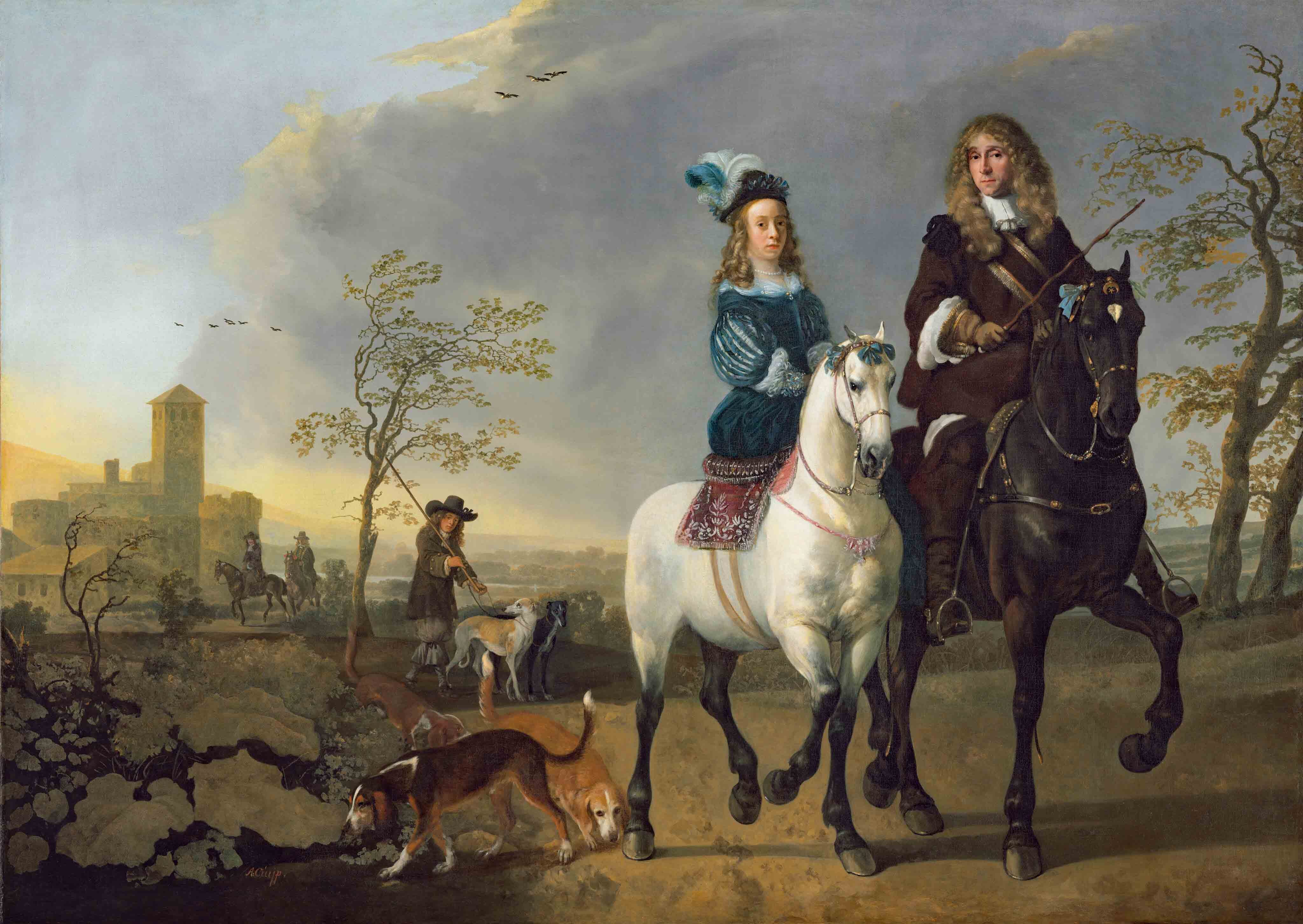
Balzac was not one for soft openings. “Civilisation has distributed men among three basic types”, he begins.
Society in the wake of the French Revolution, he recounts, in seeking to be egalitarian had simply created a new hierarchy — of men who think, men who work and men who do nothing. Balzac himself, as not merely a devout royalist but a Legitimist1, resented this faux hierarchy and the “triple aristocracy of money” that rules over it. The search for elegance, ultimately, is a search to evoke the romantic style of the old nobility, without having the courage to restore the actual system which produced this style organically.
Removing the aristocratic hierarchy, therefore, has removed the core soul of elegance, and forced men into a semi-chaotic race to try and emulate its superficial trappings, with decidedly mixed results. It cannot be emphasised enough that the core point of Balzac’s treatise is that elegance is not achieved through a simple list of concrete suggestions. What he seeks to do therefore is to explain the je ne sais quoi (the ‘inexplicable quality of what is appealing’) behind elegance, to try and improve your odds of success in that race.
Modern society, he argues, has funnelled these three kinds of men into three possible lifestyles, and not all of them are compatible with elegance:
1 - The Busy Life
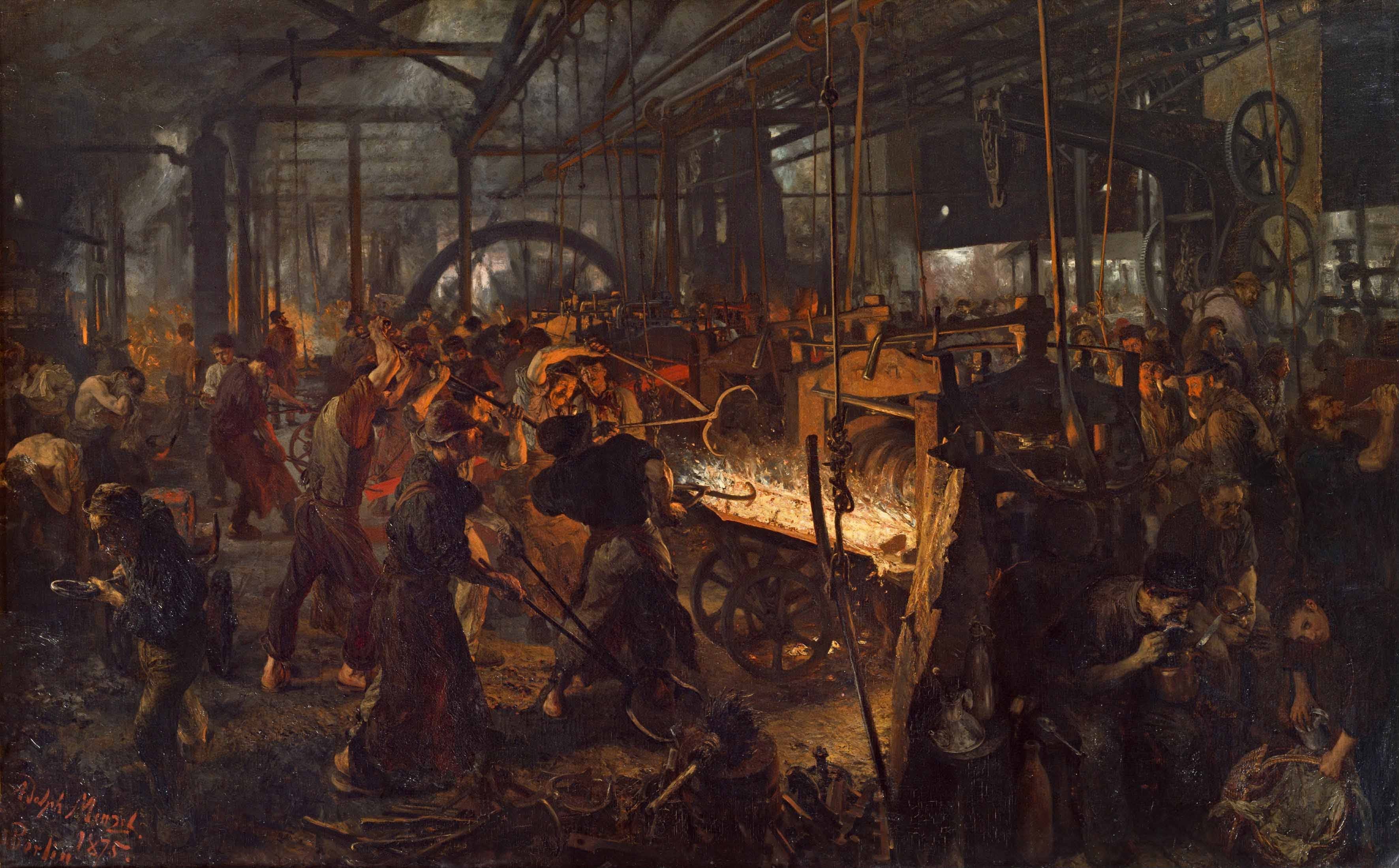
Essentially, the ‘Busy Life’ is practised by he who lives to work. The man whose sole concern is enduring the grind of an unfulfilling job in the vain hopes of a better tomorrow for his children:
“If they don’t hoard money like tacticians in order to assure bed and board in their old age, the hope of their bee’s life barely goes any further than that: the possession of a very cold room on the fifth floor, rue Boucherat; then a bonnet and percale gloves for the woman; a grey hat and a demitasse for the husband; a Saint-Denis education and a partial scholarship for the children; boiled meat with parsley twice a week for everyone. Not quite zeros and not altogether numerals, these creatures are perhaps decimals”
Honoré de Balzac, A Treatise on Elegant Living, I.1.1
It should be noted that Balzac does not intend to denigrate the people who are ‘busy’. He acknowledges that such professions are essential to the functioning of society, and that mockery of those who practise them is in poor taste. What he does say however is that for such a lifestyle, true elegance will always be beyond reach. The simple reason is that under such conditions, luxury is only ever a wishful investment, and by the time you have reached the “age of rest”, it will be too late to incorporate it organically into your life.
Elegance, as he maintains, is the “art of animating repose”, and for that to occur you need to have repose, or a lifestyle which permits a more melodic approach to life and leaves room for adventure and leisure.
2 - The Artist’s Life
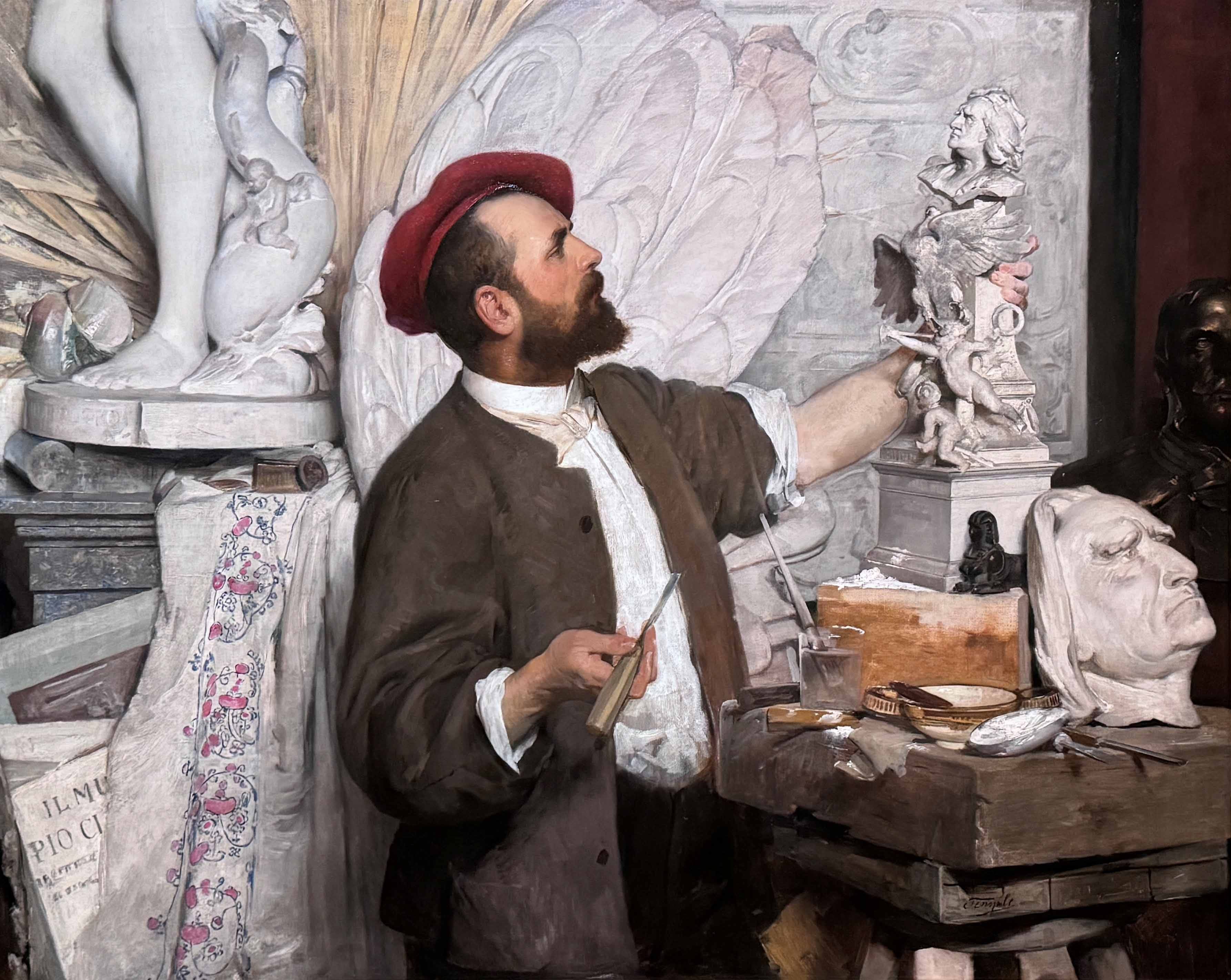
To be an artist, that is someone who produces beautiful things that are desired for their own merit, not merely as tools for something else, is of course romanticised even today.
The reason, as Balzac suggests, is that an artist is one of the few professions which can get away with never appearing busy. An artist can spend hours considering an inanimate object, simultaneously taking the time to appreciate it and studying it for the benefit of his professional skill. We romanticise the artist because we view it with envious eyes as the perfect marriage of passion, talent and profession. To make a living as an artist is to crack the code of life, for even in failure, an artist in poverty is an object of fascination:
“The artist lives as he wishes… or as he can”
Honoré de Balzac, A Treatise on Elegant Living, I.1.2
The artist, therefore, is assigned elegance by default, and can only really lose it through coarse and un-aristocratic behaviour which actively undermines either his own craft, or the messages he wishes to share through his art.
3 - The Elegant Life
Not all of us of course can be artists. Hearing that we cannot be elegant because we are crushed by a menial job either is of course a bitter pill to consider, let alone swallow. Balzac’s unspoken point however is that just because your present state may be incompatible with elegance does not mean it needs to be so in the future.
The lifestyle you should be aiming for, both for your own happiness and for the achievement of organic elegance, is actually Balzac’s majestic definition of elegance itself:
“Elegant living is the perfection of outer and material life; or: the art of spending one’s income as a man of wit; or even: the science that teaches us to do nothing like anyone else, while appearing to do everything just like them; but perhaps even better: the development of grace and taste in everything that belongs to us and that surrounds us; Or more logically: Knowing how to honour oneself with one’s fortune.”
Honoré de Balzac, A Treatise on Elegant Living, I.1.3
So how do we achieve it?
Elegance is Unified or Not at All
The paradox that underscores Balzac’s treatise is that the chaos unleashed by the wrecking of the traditional hierarchy has ironically gifted you an easier ‘way in’ to elegance. With the absence of executive nobility, which is bestowed with innate elegance, and the arrival of power structures who are ideologically incapable of replicating that elegance, it is up to you.
Anyone who cultivates “exquisite tact” can be elegant and unlock the elegant life, and the failure to understand this core foundation is how luxury becomes vulgarity:
“The moment that two books of parchment no longer stand for everything, when the natural son of a millionaire bath attendant and a man of talent have the same rights as the son of a count, we can no longer be distinguished by anything but our intrinsic value. Differences have vanished in our society: all that remain are nuances. Consequently, good breeding, elegant manners, the je ne sais quoi, the fruits of a complete education— these form the only barrier separating the man of leisure from the busy man. If privilege exists, it stems from moral superiority”
Honoré de Balzac, A Treatise on Elegant Living, I.2
The key sign of somebody who has understood this is unity, distilled by Balzac into “cleanliness, harmony and relative simplicity”. It is living in a manner whereby your intention, your aesthetic, your speech and your actual financial means are all in agreement with each other.
It is inelegant, therefore, for a man who lives in an unremarkable house on an average wage to spend months of that salary on a single luxury item. While the item may be attractive, it is not in unity with the rest of his life. It indeed merely draws attention to this incongruence, and the result is tackiness. His energies would therefore be better invested in a way to improve the overall, even if that increase is more modest than what a single luxury would represent.
A modern example of this is the man who spends a fortune on a luxury car, only to live in constant terror of scratching the paintwork or somebody clipping it. The anxiety it has introduced is outweighing the benefit, and the anxiety is what others will see. “The man of taste must enjoy everything he owns”, as Balzac beautifully puts it, and furthermore, must be seen to be enjoying it.
The logic behind this is the real reason why luxury actually impresses in the first place. It is partially the object itself, but mostly the illusion that said object could be easily replaced by its owner. As Balzac writes, the elegant man therefore “is not afraid of flaunting his splendour on a daily basis: he can reproduce it”. Anything which breaks this illusion therefore undermines your elegance. An elegant man does not get angry if something is spilled on his shirt. For if the cost of replacing it is so high compared to his means that it generates an emotional outburst, then the shirt was not in unity with his life.
These, then, are the essential conditions for elegance. However, as Balzac then points out, you can easily destroy that elegance if you do not heed the following warning…
