
Is Patience Really a Virtue?
Saint Augustine on how, why and when to quietly endure...


We have all heard the expression ‘Patience is a Virtue’. Yet our society is apparently driven by the opposite sentiment.
The primary selling point of almost any product today, after all, is convenience rather than quality. Delivery times and ‘accessibility’ are advertised over durability, and ‘Need it Now’ is assumed to equal ‘Need it Better’.
As a result, ‘Patience is a Virtue’ is often stated ironically, often as a joking rebuke to somebody who is trying to hurry us. In a culture of immediacy, the patient man is ridiculed as a dinosaur.
Yet the quality of patience is far more than the ability to endure a lengthy queue. When properly directed, the patient man is not simply resigning himself to ‘dead time’. He is cultivating a virtue that Saint Augustine of Hippo, one of the founding fathers of Western Christianity, hailed as essential for bettering ourselves. So much so that he authored a treatise, De Patientia — On Patience — to explain how.
Here is what Saint Augustine can teach you about why you should cultivate patience, and when you need to practise it…
Constructive Suffering
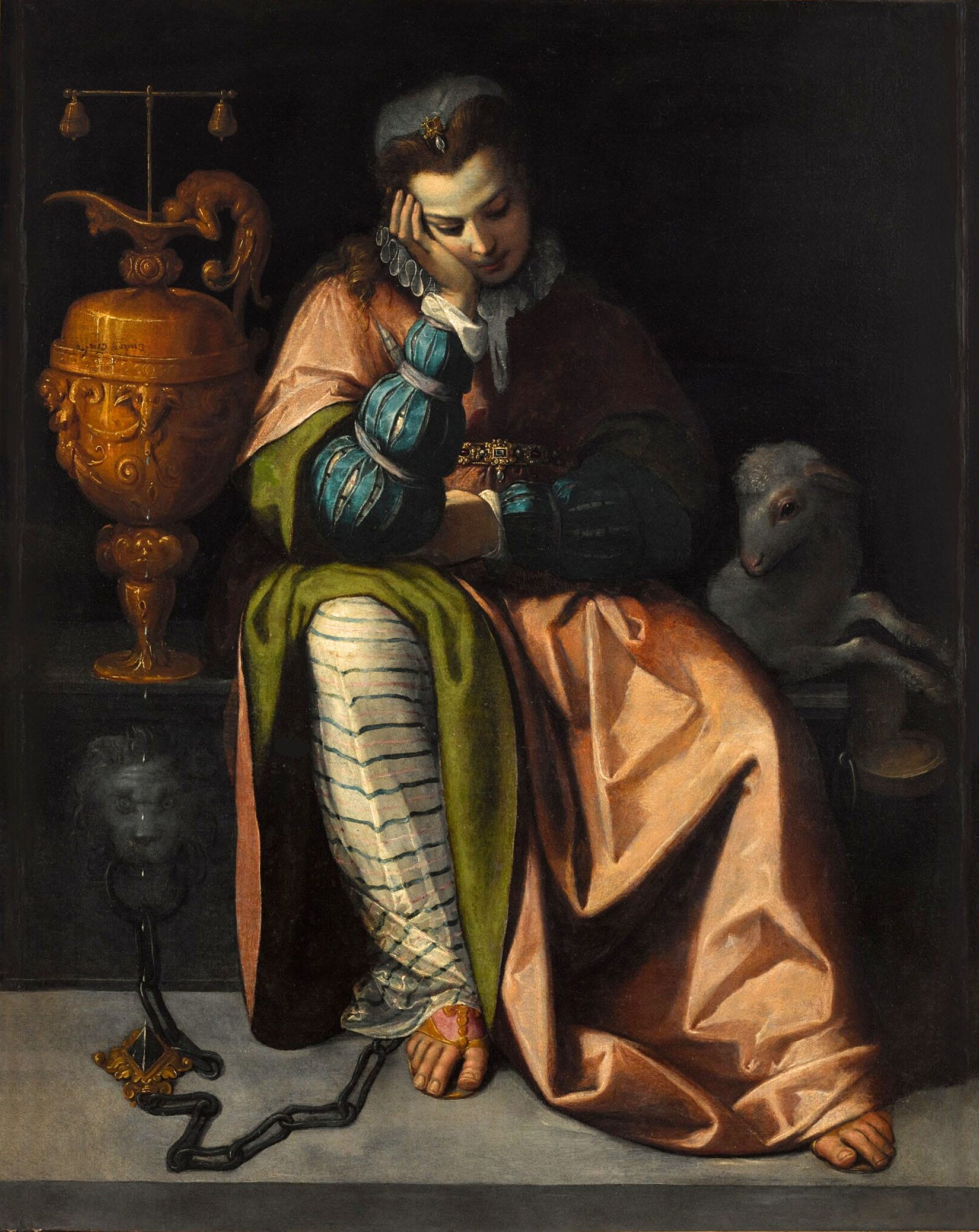
Augustine begins with a simple yet powerful observation. That the very word ‘patience’ itself derives from the Latin patiendo — ‘suffering’.
To be patient, therefore, is quite literally to suffer. That said, a key difference distinguishes a patient from a suffering man. While both face something unpleasant, the patient man does so in the knowledge or hope that something better will follow:
“The patience of man which is good, praiseworthy, and deserving the name of virtue is said to be that by which we endure evils with equanimity so as not to abandon, through a lack of equanimity, the good through which we arrive at the better. By their unwillingness to suffer evil, the impatient do not effect their deliverance from it; instead, they bring upon themselves the suffering of more grievous ills”
Saint Augustine, De Patientia, 2
True patience, therefore, is properly seen as a man’s primary weapon against temptation. It is the column which supports the soul and prevents its collapse under pressure. Should it yield, so too will our other virtues.
After all, when we succumb to impatience, we rarely do so without further injuring ourselves, or others with words or actions. What defines the patient man, on the other hand, is not simply his ability to endure suffering, but how he responds to it:
“But the patient, who prefer to bear wrongs without committing them rather than to commit them by not enduring them, both lessen what they suffer in patience and escape worse things by which, through impatience, they would be submerged”
Saint Augustine, De Patientia, 2
When we yield to impatience, we are attempting to force the future into the present before it is ready. By doing so, we necessarily unbalance ourselves, and risk long-term gain for short-term and illusory satisfaction. Breaking away from a long queue, firing a curse word back as you do, might give impulsive satisfaction, but it will almost certainly be replaced with remorse that lasts far longer.
A clearer definition of what patience really is, therefore, is the ability to “bear wrongs without committing them”. To face evil and emerge not only uncorrupted by it but strengthened by it, as opposed to the impatient man who has surrendered to it. The patient man, likewise, conserves and expands resources, while the impatient man squanders them on fruitless battles.
This then is why patience can be a virtue. It is suffering that is put to use. But as Augustine proceeds to explain, patience is only a virtue in very specific circumstances…
When to Be Patient?
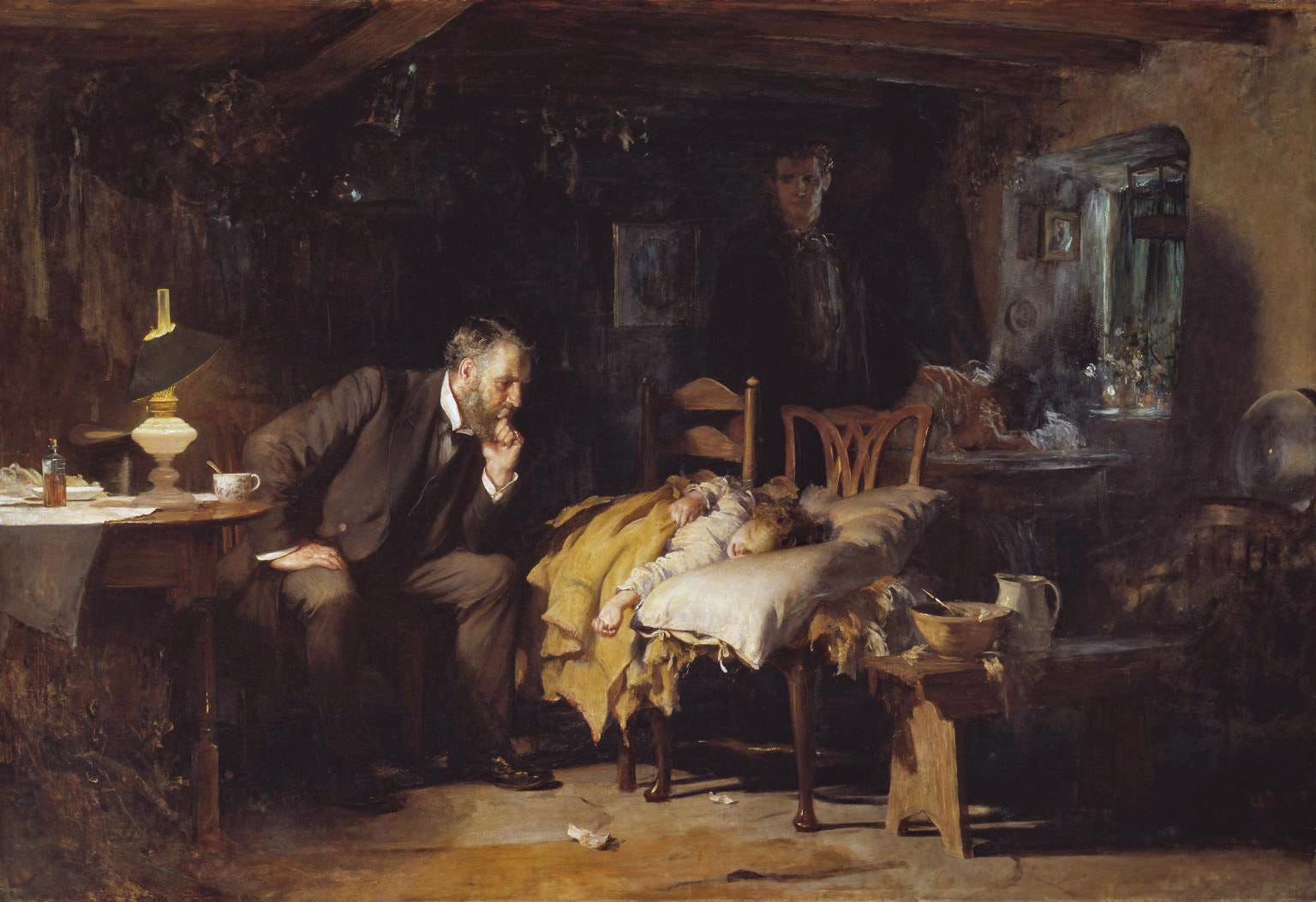
“Strong desires make labor and suffering tolerable. And no one voluntarily undertakes to suffer torture except for what will bring delight”
Saint Augustine, De Patientia, 4
Saint Augustine was not an impractical man. On the contrary, his conversion to Christianity followed a famously dissolute youth. He was well aware of the realities of the world, and does not argue that we should simply dig in against every little frustration. Virtuous patience, after all, is not the same as stubborn persistence.
Simply tolerating hardship, too, is not by itself virtuous. If it were, Augustine reminds us, we will soon find ourselves praising hardened criminals:
“Why should I mention highway robbers, all of whom spend sleepless nights lying in wait for travellers? And to catch the harmless passersby they plant their bodies and minds, fixed on thoughts of harm, under any darkened sky.”
Saint Augustine, De Patientia, 4
Patience, therefore, is a virtue only if it is serving a higher purpose, and if it is “a means of greater happiness” (3). Saint Augustine of course argues that a love of God is the surest anchor of higher purpose, though the principle can easily be broken down into more immediate units, by using one simple analogy:
“Doctors, by inflicting pain on the body, try to keep it from death, while its enemies, on the other hand, by threatening the body with punishment and death, are working for the eternal death of the body and soul in hell”
Saint Augustine, De Patientia, 6
When faced with any situation that tests us, therefore, whether it is dealing with an argument that threatens to get heated, or a person who you feel is slowing you down, apply a simple filter to the possible actions that lie before you. Will the option that allows you to resolve the situation quickly result in damage either to your body or your soul? If not, proceed. If so, now is the time to be patient.
Put even more bluntly, patience is your insurance against distraction. It should be used to keep you focused on your long term goals and prevent you from endangering their fulfilment, as per Augustine’s most regularly quoted reflection of the entire treatise:
“For, patience is the attendant of wisdom, not the handmaid of passion. Patience is the friend of a good conscience, not the enemy of innocence”
Saint Augustine, De Patientia, 4
An impatient man can never be wise, because wisdom is earned by overcoming successive obstacles, banking the knowledge gained after each so as to make overcoming the next easier. Wisdom needs time to mature, and it is patience that grants that time.
Saint Augustine’s critical point, however, is that patience is not a mere ‘survival strategy’, and it is most certainly not a trap for the innocent or the naive.
As he proceeds to explain, it is a strategy for victory, and one that Napoleon Bonaparte would echo in one of his most famous quotations…
