
How To Be Aristocratic, Not Arrogant
17th century advice for an aspiring Gentleman...

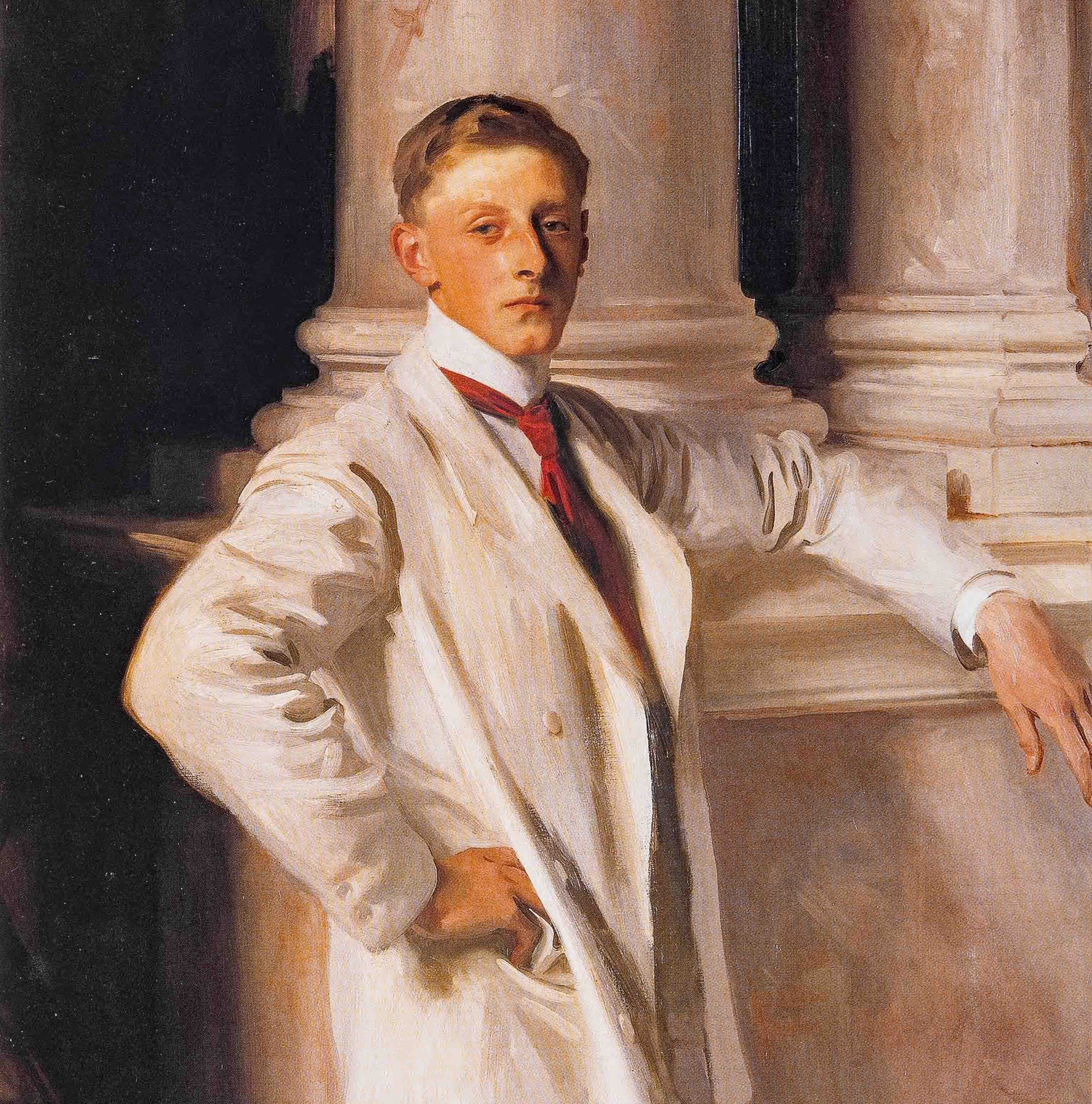
“Society is of such power, as by it Saints are turned into Serpents, Doves into Devils”
Richard Brathwaite, Youth, The English Gentleman
Passing from boyhood to manhood brings with it opportunity, but so too danger.
The world is ahead of you, but if you are not careful, you will reach old age with a world of regret behind you. Since youth is prone to overconfidence, and vulnerable therefore to arrogance, that road to regret is all too easily paved.
Recognising this, our ancestors considered manners and etiquette to be no less important than mathematics or science when it came to the education of aristocratic men. Many books were therefore written to instruct boys on the art of social dynamics, including one now forgotten jewel that was published in 1630.
Written by the English poet and royalist soldier Richard Brathwaite, The English Gentleman is a goldmine of both wisdom and charm. With the aim of providing “especial rules of direction… tending to the making up of an Accomplish’d Gentleman”, Brathwaite indeed begins his work by focusing on youth, and the specific errors that can undermine a man seeking to enter society.
Today therefore, we explore Brathwaite’s advice on the four essential qualities you need to master if you want to stop looking arrogant, and start being aristocratic…
1 - Gait
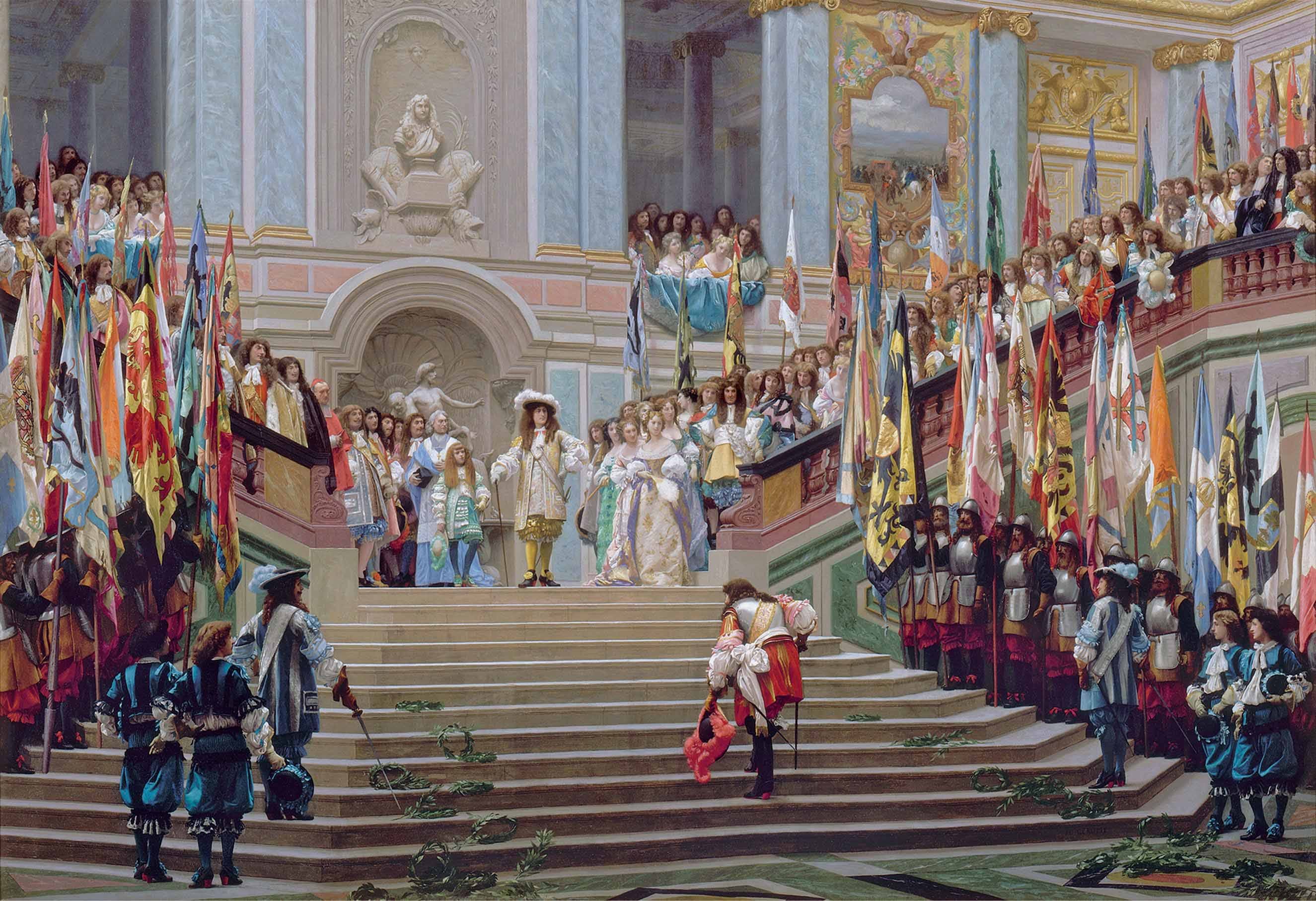
Since first impressions are formed before conversation even begins, Brathwaite identifies Gait (or ‘Gate’ as it was spelled in old English1) — or how we physically bear ourselves when standing or walking — as the first priority in controlling our image:
“It is strange to observe how the very Body expresseth the secret fantasies of the minde: and how well the one sympathizeth with the other”
Richard Brathwaite, Gate, The English Gentleman
As Count Baldassarre Castiglione once remarked, “things external often bear witness to the things within”. When meeting somebody new, or merely passing them by, they can and will form a surprisingly detailed assumption about you, your life and your character based on nothing more than your posture.
We can lament the injustice of this all we like, but our Gait betrays our true condition. It can reveal the state of our health, and the strength of our confidence. A man hunched over may spend too much time sitting. He may be ill, or may be shy. Regardless of the actual reason, such gait doth not an appealing impression make. It suggests indeed that the man in question is currently fighting a battle that he is presently losing.
The opposite extreme however, of strutting about with forced overconfidence, is equally damaging to your Gait:
“When Youth is imployed in ushering his Mistresse, hee walkes in the street as if hee were dancing a measure. Hee verily imagines the eyes of the whole Citie are fixed on him, as the very patterne which they esteeme worthy imitation: how neerely then concerns it him to stand upon his equipage. He walkes, as if he were an upright man, but his sincerity consists onely in dimension”
Richard Brathwaite, Gate, The English Gentleman
Poor Gait, therefore, is like a poor choice of words. If your bearing under or oversells your true character and confidence, then you are likely to repel rather than attract. If you wish to be considered a respectable gentlemen, therefore, then your gait should be synchronised to it, otherwise you may never be afforded the opportunity to show others your true qualities.
As Brathwaite suggested, a distasteful Gait is a typical problem of boys who are in the company of girls they either wish to impress or show off to others. Men can instinctively sense when another man’s bearing is inorganic and forced in order to curry favour or popularity, and the instinctive reaction is unfailingly negative:
“First, he is to know, how that which is most native and least affective, deserves choisest acceptance. We were not borne to glory in our feet, the Bases of Mortality: but to walke as children of light, in holinesse and integritie”
Richard Brathwaite, Gate, The English Gentleman
The overconfident man may well ‘impress’ said girl in the first moment. He may not. But he will almost certainly irritate those around him in the second, and that impression will long outlast the first.
Be like Agathocles of Syracuse, Brathwaite advises. For at the height of his fame, the first King of Sicily remained literally grounded even when commissioning a celebratory statue of himself. For while the head was of gold, signifying purity, the arms were of ivory, intimating smoothness, and the body was of brass, implying strength, he insisted the feet were made of earth, reminding the viewer how easily all of the above could collapse without solid foundation.
But Gait is only the first ‘test’. For after judging your body and movement, observers will turn next to your eyes…
2 - Look
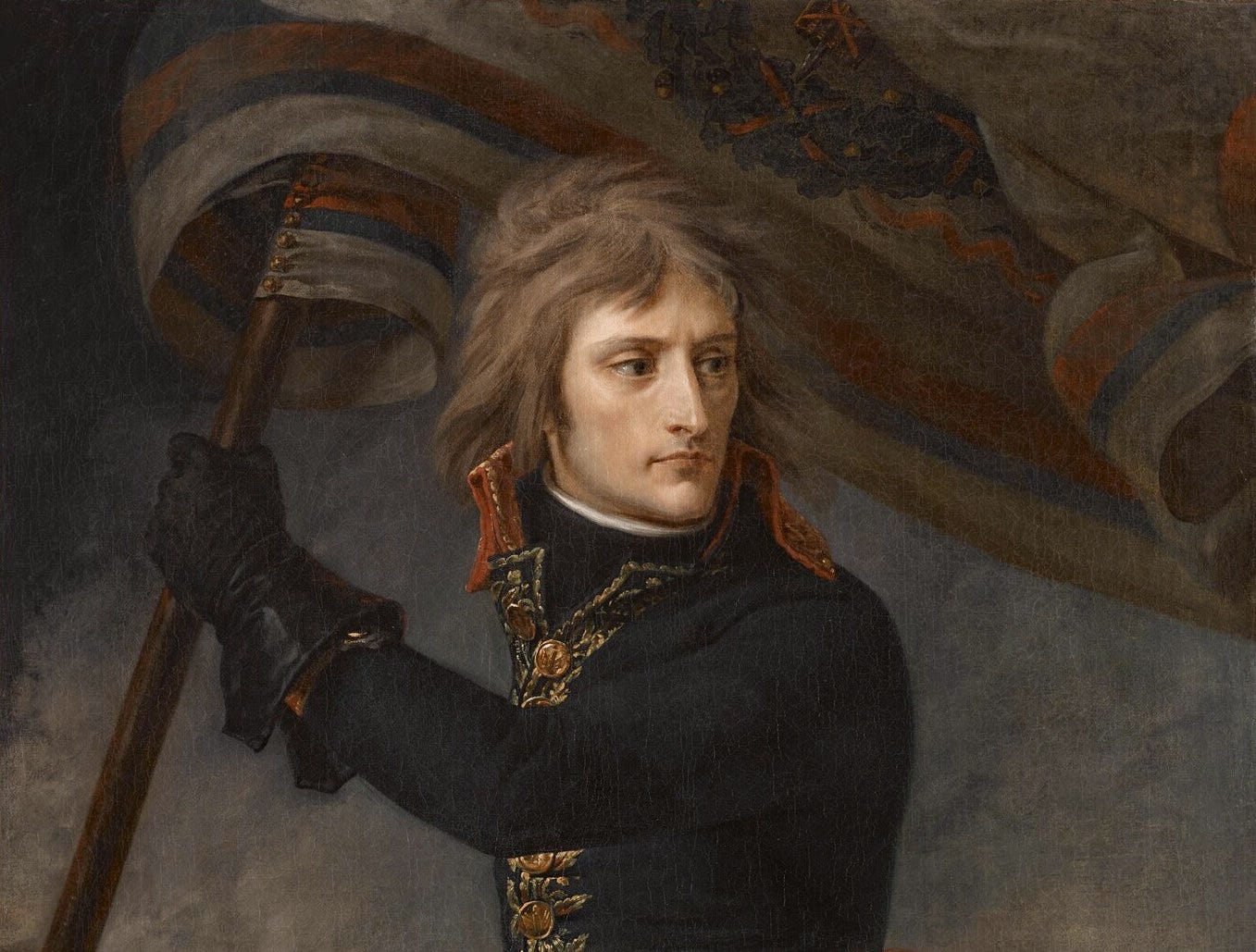
“The next Subject wee are to treat of in this Display of youthfull vanity, is his Looke: wherein hee is ever noted to shew a kinde of contempt, expressing by his eye, what he conceives in his heart”
Richard Brathwaite, Looke, The English Gentleman
It is said to the point of cliché that the eyes are the window to the soul. Just like the body, our eyes can indeed betray the truth of our words and thoughts. As a result, eyes have their very own Gait, which Brathwaite simply calls Look.
A man who shoots an arrogant glance, after all, is either openly contemptuous or poor at hiding it. Once again, neither possibility is endearing to a third party observer. As a result, Brathwaite warns that young men need to be aware that when their mouths are silent, their eyes are still talking:
“The eyes (saith a good Father) are members of the flesh, but windowes of the minde; which, Eagle-like, should be ever erected to the beames of righteousnesse, and not depressed by any unworthy object of externall basenesse”
Richard Brathwaite, Looke, The English Gentleman
This of course can be a difficult balance. You do not wish to appear submissive or uninterested, but nor do you wish to spoil an attempt to look dignified by appearing arrogant. It is a particular plague of the successful, and especially the ambitious, to force a ‘superior’ look, or else let one slip through. We do not need Brathwaite to point out how negatively this comes across, but he does offer a curious observation of why it backfires so readily:
“But tell me Young Gallant, what it is that moveth thee to this contempt of others? Is it thy descent? Alas, that is none of thine; thou derivest that glory from this Ancestors, whose honour by thy ignoble life, dieth”
Richard Brathwaite, Looke, The English Gentleman
In other words, trying to look superior will simply draw attention to where and how you are not. People, therefore, respond to arrogance by searching for what could justify it. If they are not impressed by what they find, then there is no chance at all of this look inspiring interest in you.
The truly aristocratic gaze, therefore, is one of affable indifference. One that communicates that you are not ‘flustered’ by what you see and that guards your true feelings, while giving the impression that you are approachable to anyone who might want to ask your opinion:
“We are the conclude, that Humilitie, as it opens the gate unto glory, so Affability, a virtue right worthy every generous minde, cannot bee better planted than in the eyes, those Centinels which guard us, those two Lights which direct us, those adamantine Orbes which attract affection to us”
Richard Brathwaite, Looke, The English Gentleman
In a certain sense then the aristocratic gaze is the wholesome cousin to the ‘thousand-yard stare’. It is the Look of a gentleman who, being also a man of Faith, trusts in the will of Heaven. He therefore remains humble before it, and embraces that all which happens on Earth is simply part of a larger plan. Consequently the gentleman gives the impression that he is a comfortable part of that plan, who does not permit adversity to best him. Evil, after all, begets evil, and in an arrogant glance a man is letting the Devil see him bleed.
A man who cultivates good Gait and Look then is well on his way to self-actualisation, and reliably securing the affection of strangers.
As Brathwaite reveals however, all of this will go to waste if it is not backed up by two more qualities, which are crucial to making sure a good impression lasts…
