
How To Age With Grace
And the four false assumptions of ageing...

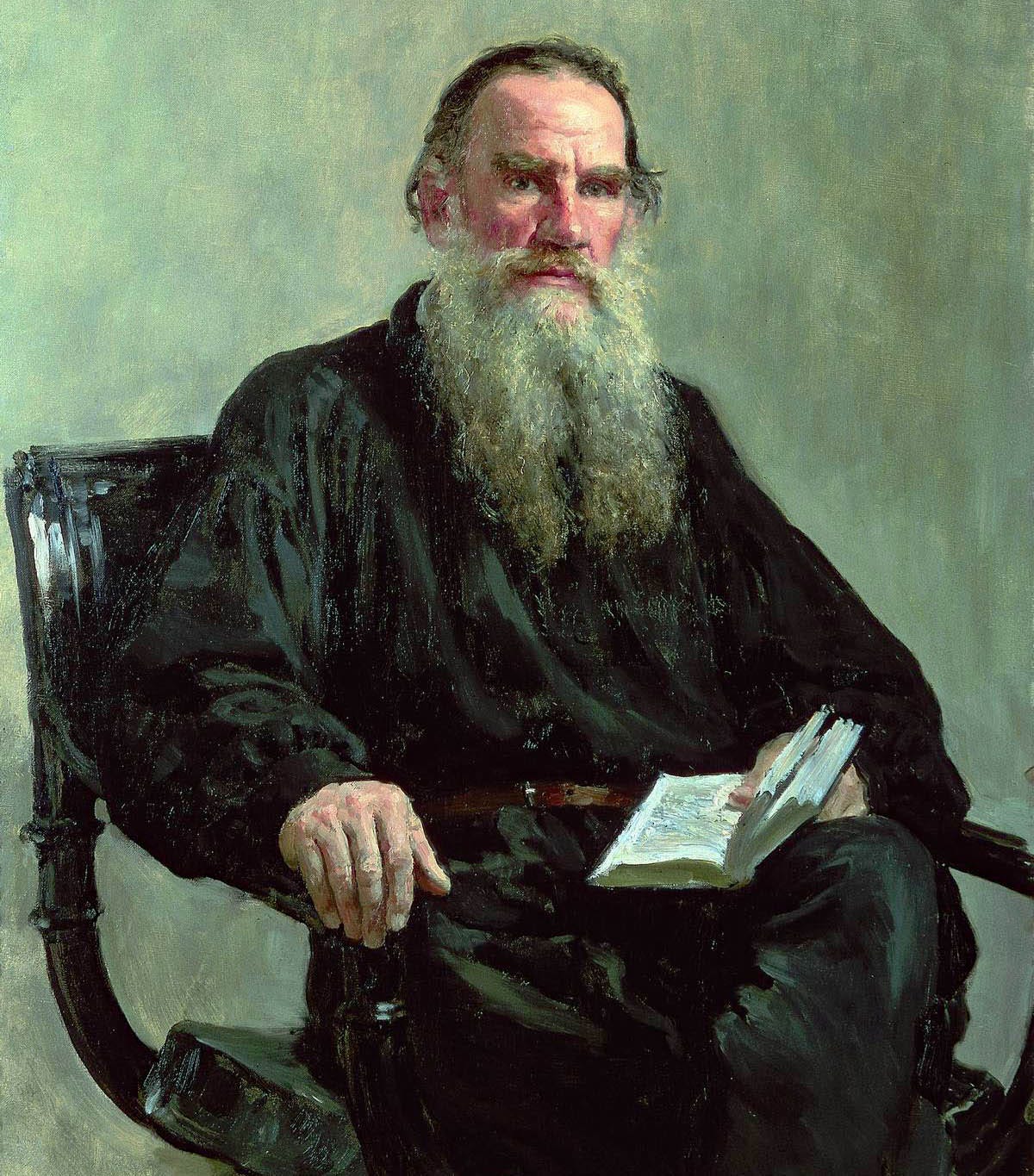
The Achilles’ Heel of the materialist is the reality of human ageing.
Much about the currently dominant ideology in the Western world seeks to permanently anchor the entire population in their early twenties. To persuade us that we are always old enough to make life-changing decisions, but never old enough to expect the bill of permanent consequences.
How then do we cope when reality overcomes ‘vibes’? When we start to look back on the things we once did, said or wrote and feel like they were the actions of a completely different person? By telling jokes mostly, which take as their premise that ‘aging is bad and eternal youth would be bliss’.
But aging does not have to be this way, and according to one extraordinary essay of Cicero, should not be. As he argues in De Senectute (On Old Age), you can grow old without sacrificing either your happiness or your dignity. But how?
According to Cicero, there are four common complaints people have about growing old. Today, we explore his response to each, and look at how you can, in fact, age happily and with grace…
1 - ‘I Can’t Do Anything Useful’
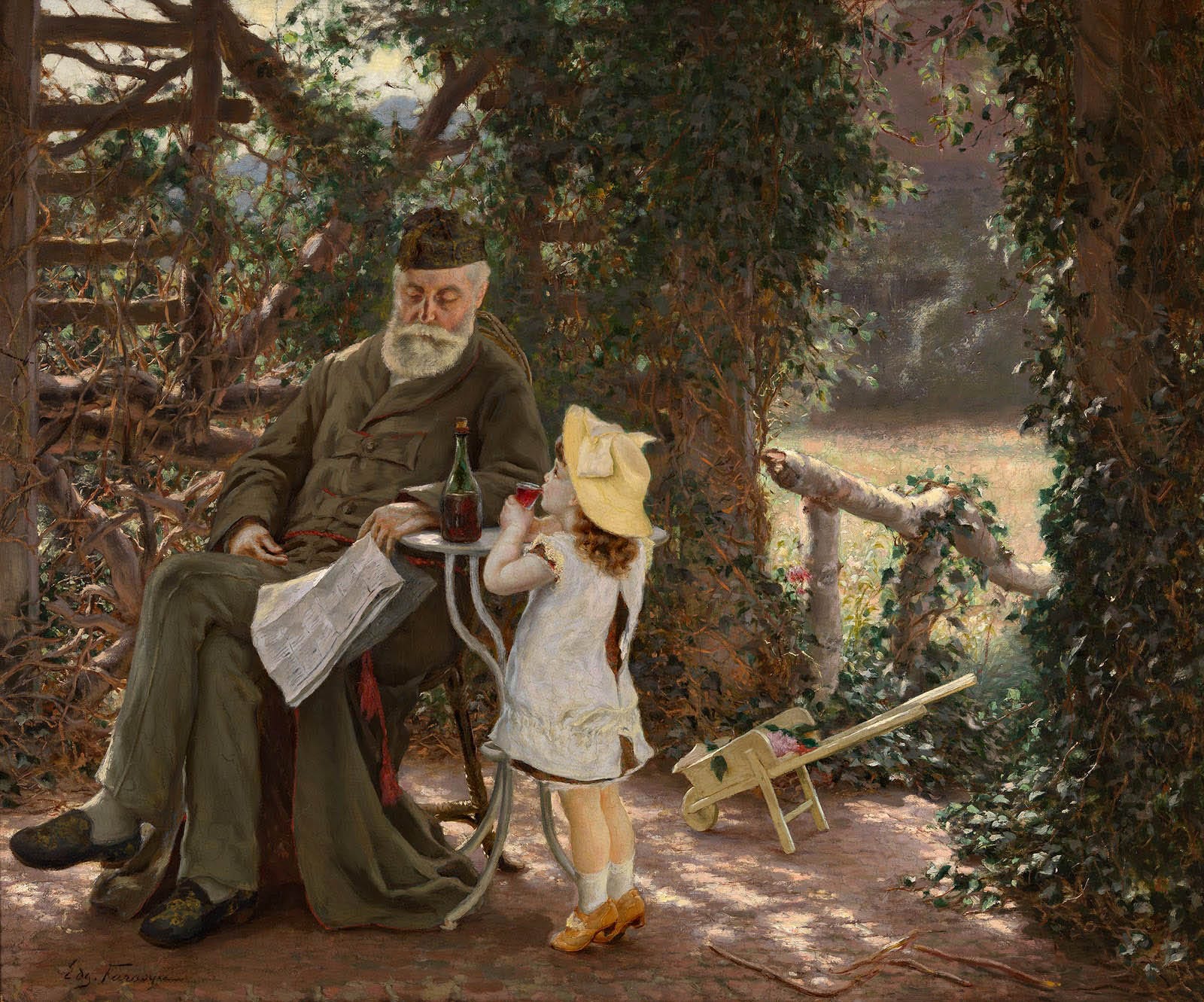
As per the ancient tradition of philosophy, Cicero frames his essay as if it were a lively conversation rather than a dull text. In this case, a conversation between two young statesmen, Scipio Aemilianus and Gaius Laelius Sapiens, and the formidable father of Roman conservatism, Cato the Elder. The young men marvel at how well the octogenarian Cato bears his years, and yearn to know his secret.
After reminding the men that plenty of Romans have achieved renown in their later years — such as Fabius Maximus, who was well over sixty when he devised the military strategy which bested Hannibal himself — ‘Cato’ anchors the discussion in four common complaints made against old age. The first is that old age “withdraws us from active pursuits”, and Cato rebuts that notion with a fine metaphor:
“Those, therefore, who allege that old age is devoid of useful activity adduce nothing to the purpose, and are like those who would say that the pilot does nothing in the sailing of his ship, because, while others are climbing the masts, or running about the gangways, or working at the pumps, he sits quietly in the stern and simply holds the tiller. He may not be doing what younger members of the crew are doing, but what he does is better and much more important. It is not by muscle, speed, or physical dexterity that great things are achieved, but by reflection, force of character, and judgement; in these qualities old age is usually not only not poorer, but is even richer”
Cicero, Cato the Elder on Old Age, VI.17
The idea that old age undercuts our usefulness is based on the flawed assumption that youthful vigour is the sole column propping up a civilisation. It assumes that because grandparents are not immediately present every day, they are superfluous to families. It is, quite simply, to misunderstand that power can be soft as well as hard.
Without the captain of the ship keeping his eye upon the bearings, the roaring engine would happily propel the vessel into the rocks. Cato’s interesting point, however, is that while age redistributes our value to different strengths, it is still up to us to ensure that these are trained.
A young man should be vigorous, and a young man who has fallen into unfitness has forfeited his ‘value’ just as much as an elder who allowed his mental faculties to decay. This leads Cato to his memorable condemnation of older people who complain about having a poor memory or cite it as an excuse:
“I certainly never heard of any old man forgetting where he had hidden his money! The aged remember everything that interests them, their appointments to appear in court, and who are their creditors and who their debtors.
And how is it with aged lawyers, pontiffs, augurs, and philosophers? What a multitude of things they remember! Old men retain their mental faculties, provided their interest and application continue; and this is true, not only of men in exalted public station, but likewise of those in the quiet of private life”
Cicero, Cato the Elder on Old Age, VII.21-22
As an older person, wisdom is both your strength and responsibility. Just as the young man should be exercising his body for fitness, so too should the elder man his mind for fitness. Be like Sophocles, Cato argues. For when the playwright turned ninety, and certain unscrupulous relatives tried to have him declared an imbecile before a court of law, he did not retaliate with impotent rage. He shared with the public court a play he was just finishing — the tragic masterpiece Oedipus at Colonus — utterly embarrassing his accusers and awing all Athens.
The great Athenian statesman Solon, as Cato reminds us, relished old age as it permitted him to learn something new every day. An old age well spent, therefore, is one committed to training wisdom, and spending time in the company of those with whom you can share it…
2 - ‘It Makes My Body Weak’
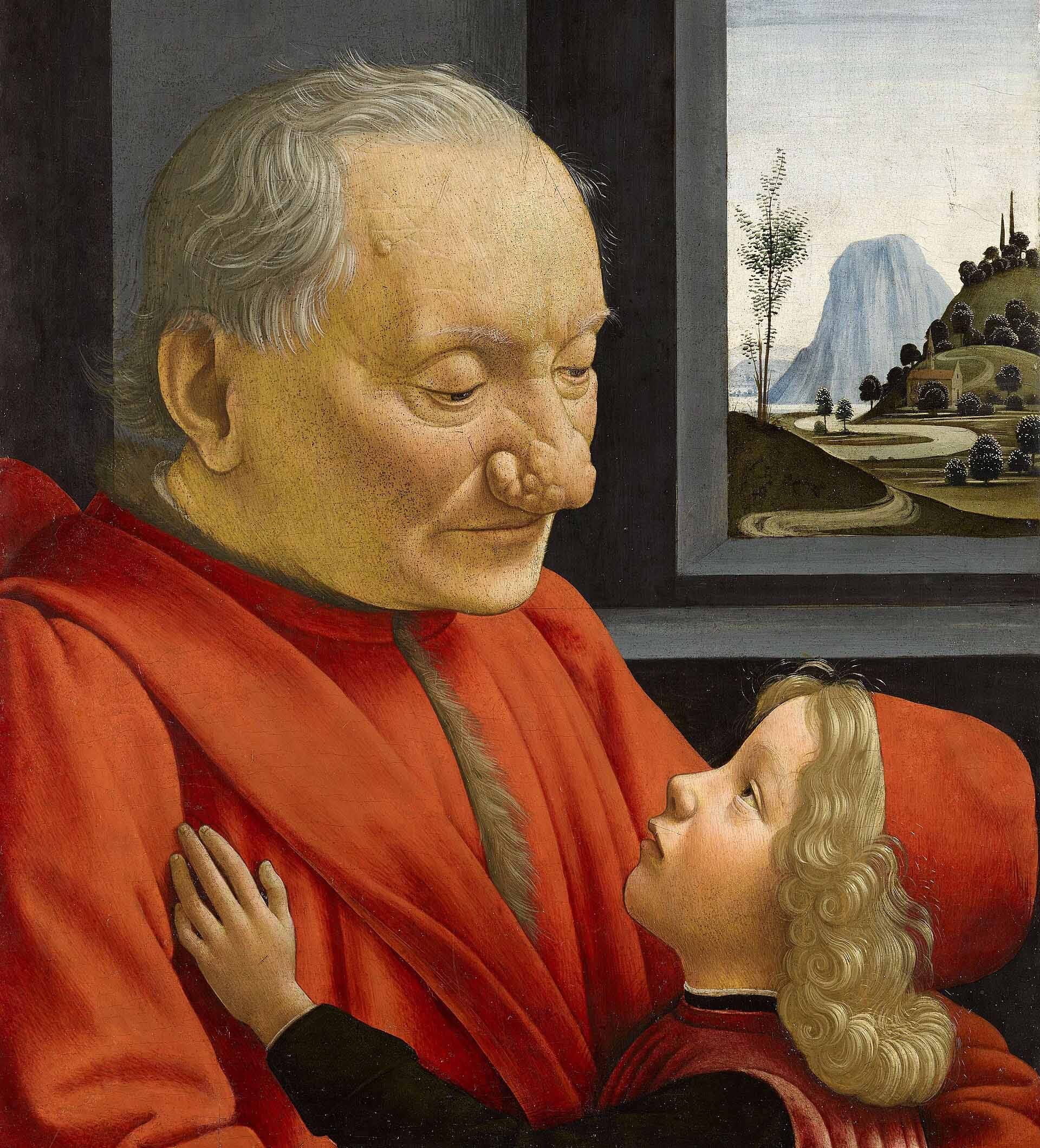
The second complaint against old age that Cato challenges is that it “makes the body weaker”. This of course is especially feared or resented by those whose physicality defined their youth. To such a man, Cato retorts with a provocative jab, namedropping the famed athlete and six-times Olympic victor Milo of Croton:
“For what utterance can be more pitiable than that of Milo of Crotona? After he was already an old man and was watching the athletes training in the race-course, it is related that, as he looked upon his shrunken muscles, he wept and said: “Yes, but they now are dead”. But not as dead as you, you babbler! For you never gained renown from your real self, but from brute strength of lungs and limb.”
Cicero, Cato the Elder on Old Age, IX.27
Fearing old age because it will slide you towards physical infirmity is like fearing a car is not as buoyant as a boat. Old age is not predisposed towards physical prowess because that is not its primary reason for being. On the other hand, your physical condition is still largely within your power. As Cato magnificently states, debilitating illness is a characteristic of ill-health, not old age. As with poor memory, it is a particular vice of the elderly to blame ailments upon ‘old age’ when inactivity was the true culprit.
The older man therefore should primarily concern himself with training his mind, but that does not mean entirely neglecting his body:
“But it is our duty, my young friends, to resist old age; to compensate for its defects by a watchful care; to fight against it as we would fight against disease; to adopt a regimen of health; to practise moderate exercise; and to take just enough of food and drink to restore our strength and not to overburden it. Nor, indeed, are we to give our attention solely to the body; much greater care is due to the mind and soul; for they, too, like lamps, grow dim with time, unless we keep them supplied with oil. Moreover, exercise causes the body to become heavy with fatigue, but intellectual activity gives buoyancy to the mind”
Cicero, Cato the Elder on Old Age, XI.35-36
Furthermore, as our speaker sagely advises Scipio and Laelius, many of the most serious physical impediments of old age are a long-term consequence of “intemperate and indulgent youth”, of excessive and irresponsible exertion which prematurely wore our joints, rather than something suddenly conjured out of thin air in our twilight years.
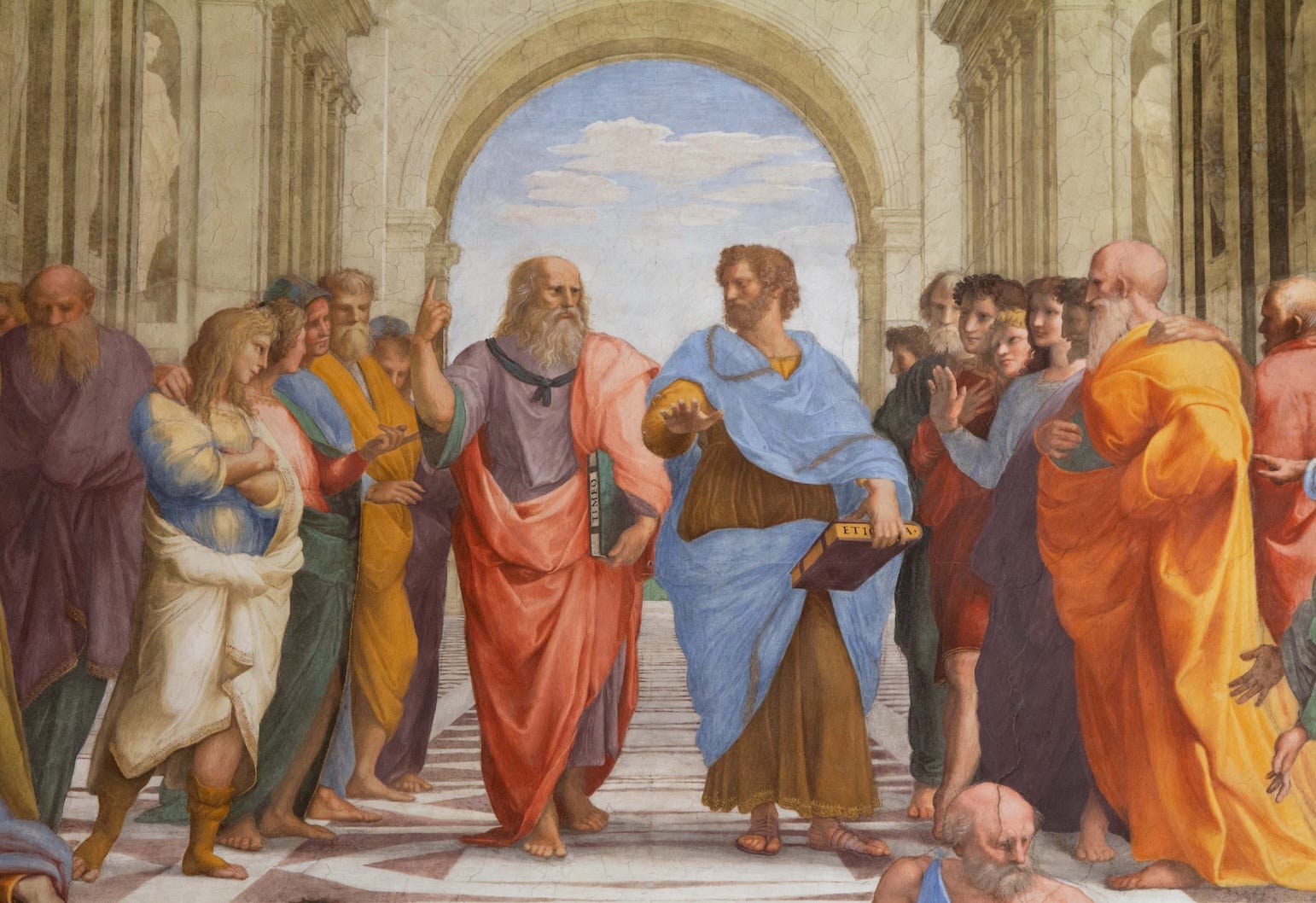
Yet Nature giveth as well as taketh away. Physical vigour allows us to perform the function of youth better. Ageing however does the same for the function of old age. Let us not underestimate, for example, how the voice itself changes as we gain in years, and the timbre of an older man’s voice is graced with inherent authority. This of course lends itself well to the sharing of wisdom:
“In old age, no doubt, the voice actually gains (I know not how) that magnificent resonance which even I have not lost, and you see my years; and yet the style of speech that graces the old man is subdued and gentle, and very often the sedate and mild speaking of an eloquent old man wins itself a hearing. And although one cannot himself engage in oratory, still, he may be able to give instruction to a Scipio or an Ælius! For what is more agreeable than an old age surrounded by the enthusiasm of youth? Or do we not concede to old age even strength enough to instruct and train young men and equip them for every function and duty? And what more exalted service can there be than this?”
Cicero, Cato the Elder on Old Age,IX.28-29
Ultimately therefore, if you lament the loss of physical strength in old men, consistency demands that you must also lament the loss of infancy in young men.
Care for the body, and grow its wisdom and “life gradually and imperceptibly glides into old age, and succumbs, not to a quick assault, but to a long-continued siege”. Even in arguably the most overtly masculine epic of Classical Antiquity, Homer’s Iliad, the aged Nestor is as valuable to the Greek cause as the warlike Achilles who, it is worth remembering, he outlives. Why? Because his years had hardened him against morale shocks, he had the ability to tell tales that inspired the young men to martial virtue, and:
“Speech sweeter than honey flowed from his tongue”
Homer, Iliad, I.249
However, having a fulfilling old age is about more than simply understanding your purpose.
As Cicero reveals, it is about enjoying it too, and with the right approach, old age can even be the most enjoyable part of your life…
