
God Wants You to Dress Well
An aesthetic call to arms...


Author’s note: I just launched a new Substack publication, Letters from the Old World. My mission with it is to share the secrets of Old World elegance by exploring the theology and philosophy of why beauty matters, particularly in regards to decor and dress.
This article was originally published on Letters from the Old World, and I am sharing it with you as I believe many of INVICTUS readers will resonate with the topics covered. If you enjoy it and would like to subscribe to the new publication, you can do so by clicking the button at the bottom of this email.
-Evan
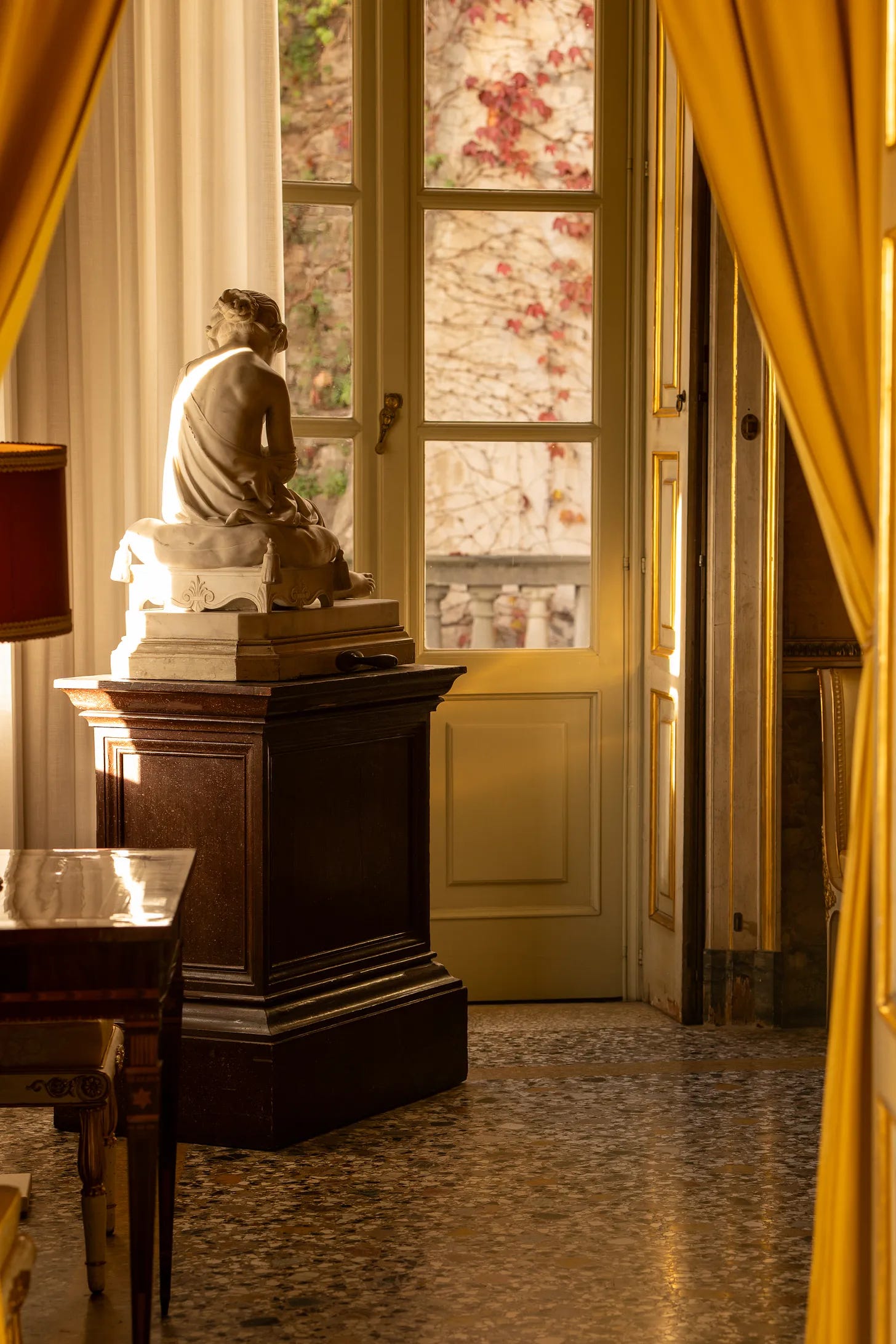
Modern discourse understands that beauty and the divine are inextricably linked: as theologian and priest Hars Urs Von Balthasar said, “every experience of beauty, points to infinity”.
Why then do so many not make the connection between this truth and how they choose to dress? Is caring how you look always mere pride or vanity? Many assume so.
Often “it’s what on the inside that counts” is interpreted as “it’s only the inside that counts.” A moral truth is thus perverted into license for aesthetic neglect, as though appearance should not matter at all.
But you know this isn’t true. And so does God.
Consider the instructions for His sanctuary as described in Exodus; gold lamp stands decorated with flowers, colorful linen curtains, cherubim designs, leather and wood fixtures, etc.
Likewise, God commanded Aaron to wear sacred garments with “gold, and blue, purple and scarlet yarn, and fine linen” so as to “give him dignity and honor.”
Clearly, presentation matters.
This is not a God who rejects the value of aesthetics, but one who understands and uses them to his own ends. In this way, beauty in appearance can reflect a divine purpose. God wanted his temple to be beautiful because it mattered that it was beautiful.
Today, we’ll show you that dressing well isn’t vanity, but in fact one of the simplest ways you can respect yourself, improve your community, and honor God.
By the end of this article, you’ll understand the theological importance of how you dress, and why you have a sacred duty to dress your best.
Your Body Matters to God
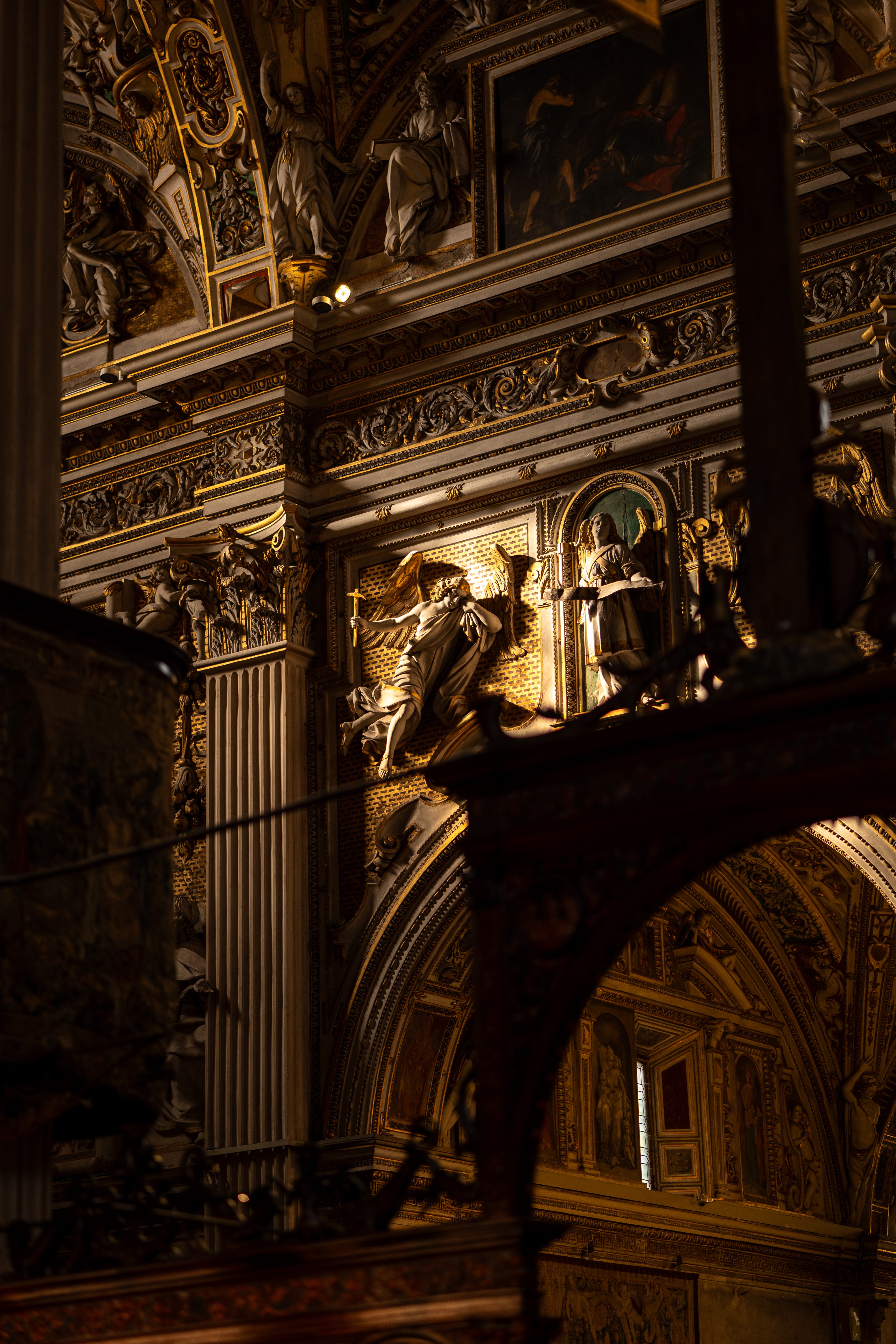
“Do you not know that your bodies are temples of the Holy Spirit… Therefore honor God with your bodies.”
-1 Corinthians 6:19-20
Like the Israelites in Exodus, you too have been entrusted with a temple. How you treat that temple, how you present that temple to the world, says something about your relationship with the divine. Ask yourself: do your clothes communicate the dignity and honor due to someone made in God’s image?
If not, it’s not your fault.
With all the emphasis placed on the soul in modern spiritual and religious practices, it’s easy to forget that you are in fact the unity of your body and soul. As such, you are meant to honor and cultivate both. Our bodies are not fleshy prisons for our souls, but rather expressions of them. As St. John Paul II once said in a speech on the theology of the body:
“The body, and only the body, is capable of making visible what is invisible: the spiritual and the divine. It was created to transfer into the visible reality of the world the mystery hidden since time immemorial in God, and thus be a sign of it.”
To treat the body and its presentation as unworthy of concern or attention is to reject your stewardship over this manifestation of the soul. Yet, while spiritual cultivation is a given to anyone practicing their faith, care for the body is often mistaken as vanity.
It is right to guard ourselves against excessive pride, one of the seven deadly sins. But don’t mistake its remedy, humility, as its opposite.
Rather, the opposite of pride is self-loathing, with humility being the virtue that remedies both extremes. Excessive concern for appearances misses the mark, but so does indifference towards them. St. Thomas Aquinas in the Summa Theologica warns that immodest dress can come not only from excess in one’s attire, but also from neglect.
Far from being prideful, therefore, caring for your body demonstrates respect for God’s creation. The Catholic Catechism, for instance, teaches that “Through his very bodily condition [man] sums up in himself the elements of the material world. … For this reason man may not despise his bodily life. Rather he is obliged to regard his body as good and to hold it in honor since God has created it and will raise it up on the last day.”
Why Is Dressing Well Important?
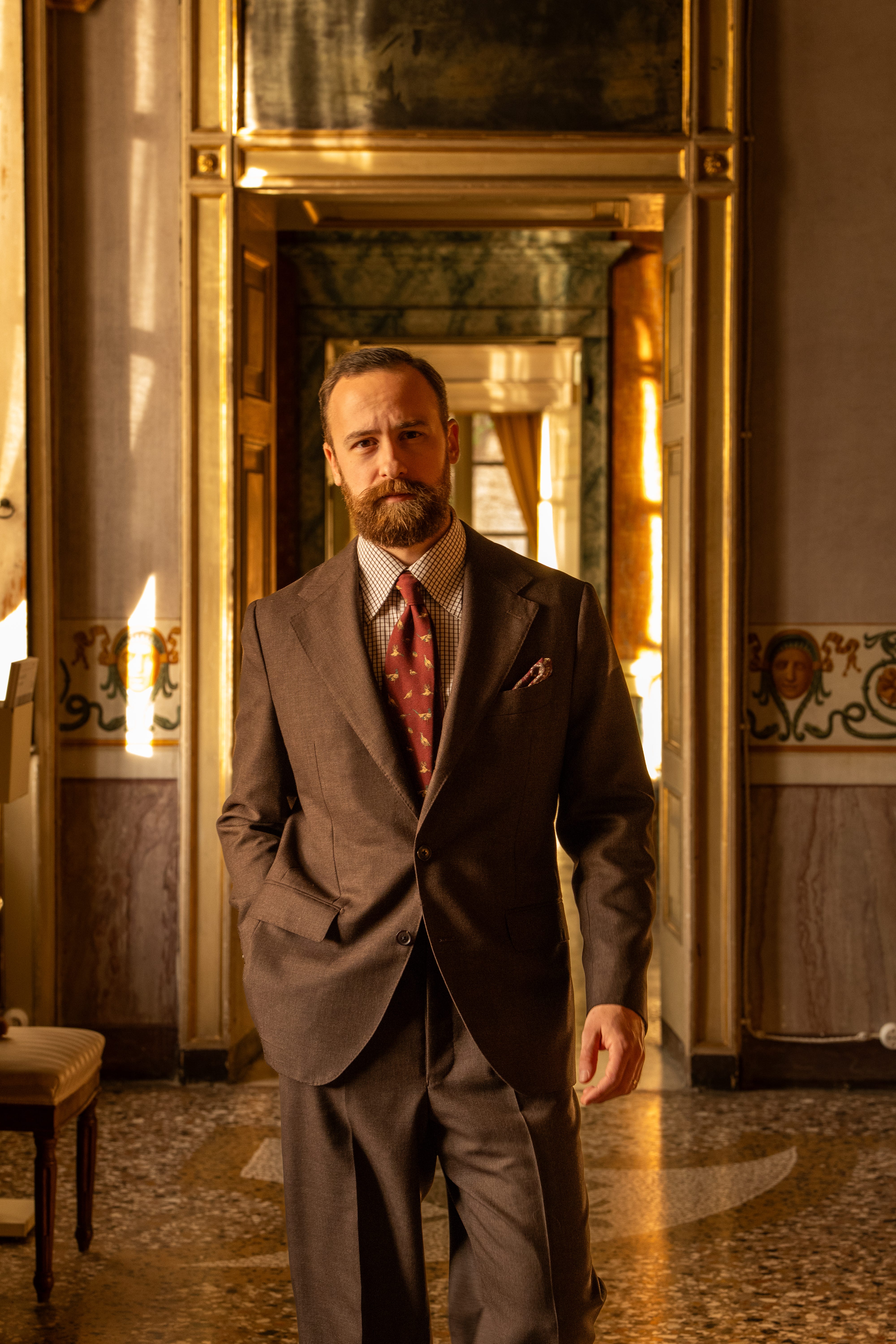
To dress well is to demonstrate respect for your body, and to convey that you recognize yourself as made in the image of God. To take time out of your day to consciously make the things you wear appealing is to spend time beautifying a part of God’s creation, communicating the dignity due to all our bodies by virtue of their origin.
A pleasing appearance not only respects God’s handiwork, it also shows respect for others. You see yourself for a few minutes in the mirror; others see you all day. Putting together an outfit that demonstrates you value your role in making your shared environment pleasant is a gift, one in which others can delight even more than you. Dressing poorly, however, has an entirely different effect. As St. Francis de Sales put it, “there is a certain disrespect to those with whom you mix in slovenly dress.”
In addition, if you hold to a conception of Christian faith, then you are called to evangelize to the world. The best tool of evangelization you have is how you lead your life. You can talk about how you’ve given your life to something greater and how it has transformed you, but if your appearance is immature or unkempt, then your clothes work against what you’re trying to convey.
Your clothes preach a message, whether you like it or not. Ultimately, what you wear is a vote for what you want to see in the world. This is why Pope Pius the XII said of fashions that they “express the decision and moral direction that a nation intends to take.” What moral direction do your clothes say you’d like everyone to follow?
Beauty in dress is not luxury or excess, because all beauty is fundamentally spiritual nourishment. It reminds us that there is dignity and good in the world. By choosing an outfit that delights, by participating in beauty through this small, everyday manner, you contribute in awakening this sense in others.
In short, you can quote Dostoevsky’s “beauty will save the world” all you want. But if you do it in sweatpants, no one will take you seriously.
Beware the Spiritual Pitfalls of the Well-Attired
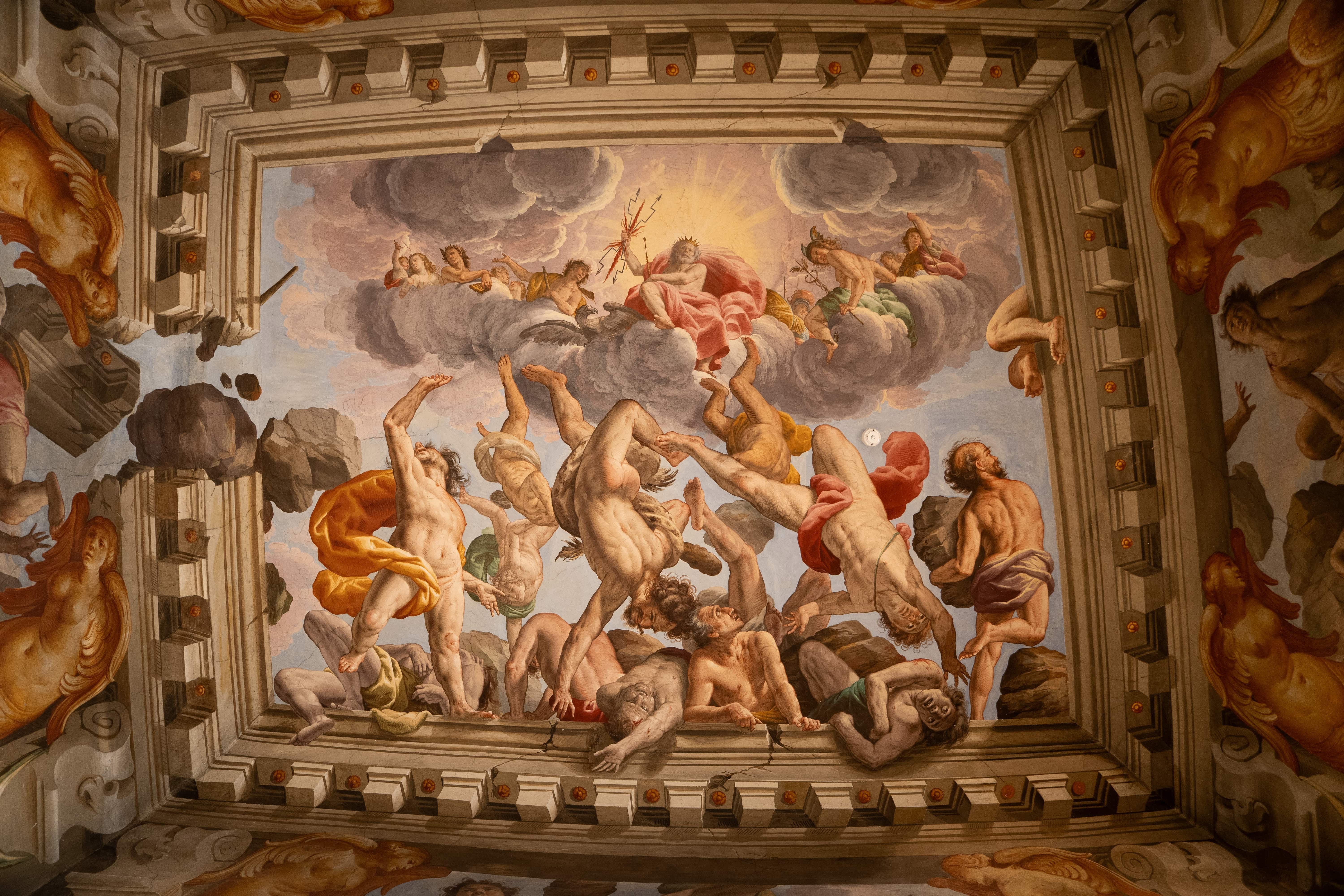
“Your beauty should not come from outward adornment… Rather, it should be that of your inner self…”
-1 Peter 3:3-4
The caveat to all this is that appearance alone will not please God.
In fact, Christ calls out the deceptive appearances of those who love “to walk around in flowing robes” but act like hypocrites, those “whitewashed tombs, which look beautiful on the outside but on the inside are full of the bones of the dead and everything unclean.” God preferred Lazarus covered in sores to the rich man dressed in purple and fine linen, after all.
1 Peter warns that “Your beauty should not come from outward adornment, such as elaborate hairstyles and the wearing of gold jewelry or fine clothes. Rather, it should be that of your inner self…” But it’s important to note that Peter calls out vanity, not beauty. Your clothes should be a reflection of inner goodness, not ego: dress well to mirror the beauty of your inner self, not mask your lack thereof.
This is not a call to go into debt or neglect more important duties. Just do what you can, when you can, and do it for the right reasons. Likewise, this is not a license to become an attention-seeking spectacle. Restraint and elegance are often complementary.
The Bottom Line
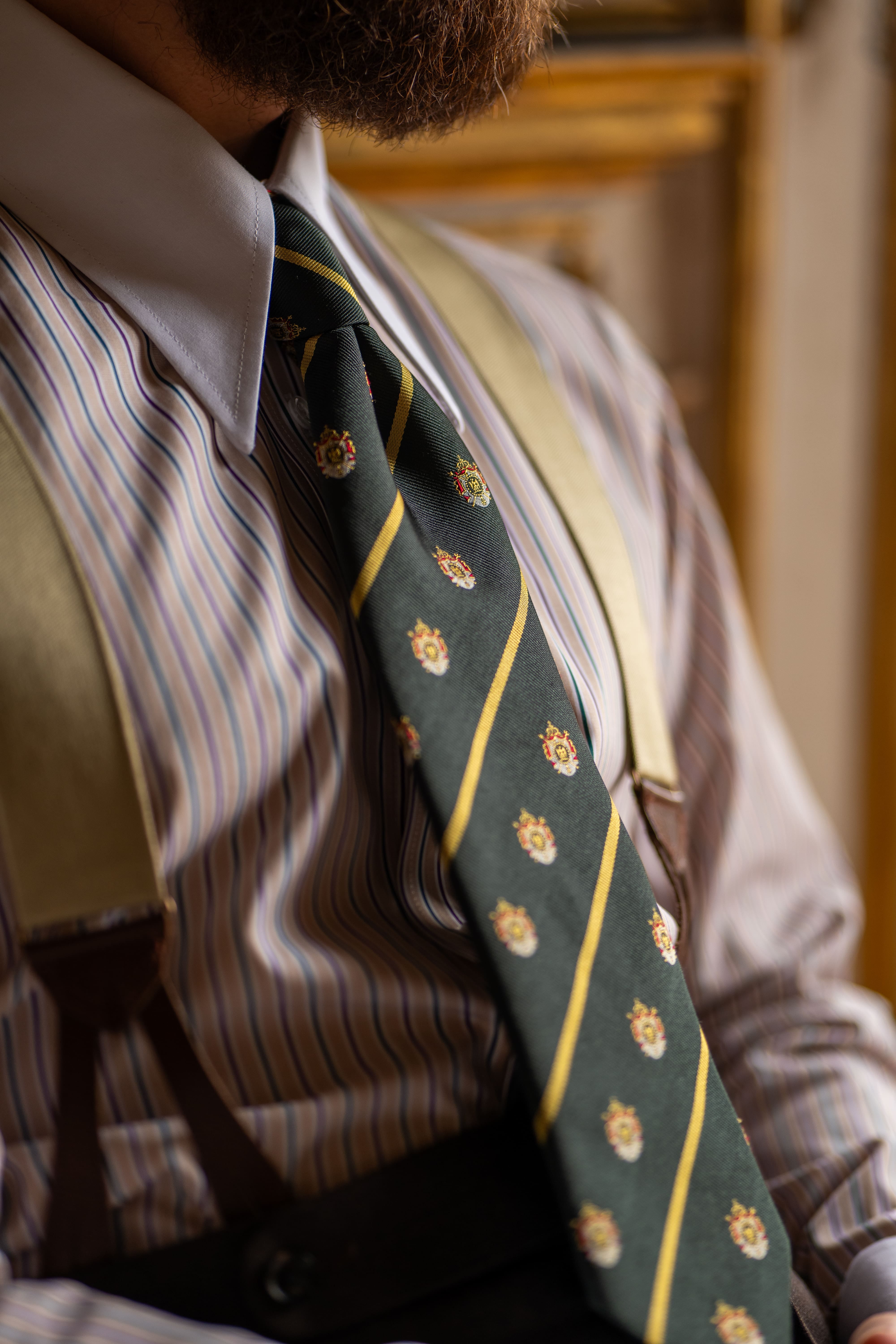
“So whether you eat or drink, or whatever you do, do all to the glory of God.”
So, what should you do?
The takeaway is simple: understand your responsibilities to yourself, to others, and to God, and make your wardrobe part of the beautification of the world.
In an age that has forgotten the value of beauty, dressing well is an act of quiet rebellion on behalf of the divine.
If you’ve been neglecting your appearance, take this as a sign that it’s time for a change. And if this message resonates with you, but you don’t know where to start, then you’re who we started this publication to help.
Our mission is to share the secrets of Old World elegance, and our approach is two-fold:
1) Every Wednesday, we send a free article exploring the theology and philosophy of why beauty matters, particularly in regards to decor and dress.
2) Every Friday, we send What’s In a Fit, a members-only article exploring practical tips and guidelines for dressing well.
If this resonates with you, then subscribe to join the aesthetic renaissance.
It’s time to put away childish things, and dress like the person God wants you to be.
 | A guest post by
|
I love this reflection, and one I've been thinking about as well. If we are (and I believe that we are) created in the image of the Divine, isn't it best that we present ourselves that way? Lovely essay, thank you!
Lovely article, thank you.
This book is the best I have come across on the integration of body and soul when it comes to modesty and dressing well
https://www.amazon.com/Fig-Leaves-Are-Not-Enough/dp/0975658891/ref=mp_s_a_1_1?crid=1AI6SWN1DSFPQ&dib=eyJ2IjoiMSJ9.6-vImWh3PYsbgAN9LR7uc_ZUpEwnOE0jW_1jsOsM3JY.umTHPncle28sf-XTCqjAHtlE57m5iaoAKwiPYBVdipA&dib_tag=se&keywords=fig+leaves+are+not+enough&qid=1765597828&sprefix=fig+leaves+are%2Caps%2C332&sr=8-1